How Penetration Testing Phases Protect Data?
Worried about data breaches? Discover how penetration testing phases uncover vulnerabilities and strengthen your defenses before hackers do.

Are You Sure Your System Is Safe?
Many businesses think their systems are secure. But how do you know unless someone tests it? Firewalls, passwords, and software updates are useful, but they are not enough.
Hackers look for weak points. Even small issues can lead to big risks. If you don’t check your system properly, your digital assets may get into trouble.
That’s where penetration testing comes in. And to do it properly, you need to follow clear penetration testing phases. Without them, the test is incomplete.
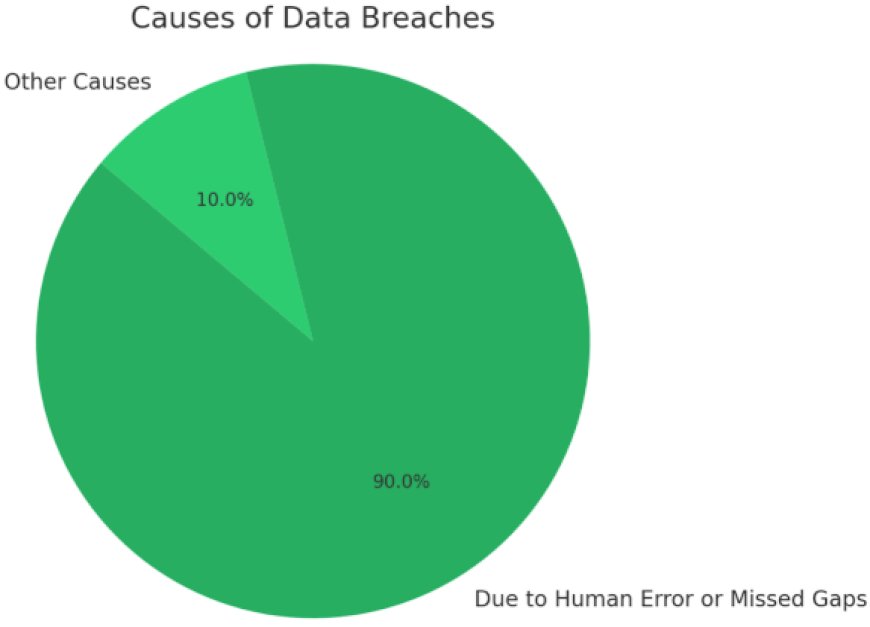
Nearly 90% of data breaches involve human error or missed security gaps. Penetration testing helps spot these before they become problems.
HCL Technologies, based in Noida, India, is a large IT company with over 220,000 employees in more than 60 countries. Over time, HCL has expanded into cybersecurity services like Vulnerability Assessment and Penetration Testing (VAPT). They also develop security software like HCL AppScan, which helps find weak spots in web and API applications.
HCL faced some real cyber threats. They experienced a ransomware attack on a cloud project, and a security flaw was found in their collaboration software, HCL Connections. These issues showed that internal scans alone were not enough to catch all problems.
To fix this, HCL improved its penetration testing by doing more frequent and deeper tests. They tested both outside and inside their systems, including their products. By acting like real hackers, they found and fixed serious weaknesses. This helped protect their systems better and made their clients trust them more.
What is Penetration Testing?
Penetration testing, commonly known as pen testing, is a systematic process used to evaluate the security of a computer system, website, or network. Rather than relying solely on traditional security measures, penetration testing involves simulating real-world cyberattacks to identify vulnerabilities and weaknesses.
This process involves engaging skilled professionals who use the same techniques as potential attackers to assess the system’s defenses. The primary objective is to uncover security gaps before they can be exploited, allowing organizations to address these issues proactively and safeguard their sensitive information.
Penetration testing provides valuable insights into the effectiveness of existing security controls, helping businesses and individuals strengthen their overall security posture and mitigate risks associated with cyber threats.
What Happens During Penetration Testing?
Penetration testing isn’t a one-step job. It’s a process made up of different parts. Each part helps testers find different weaknesses in your system.
Instead of using confusing terms, think of it like this:
-
First, you look around carefully to know your target.
-
Then, you find ways to get in.
-
After that, you try to stay inside without being caught.
-
Finally, you report everything you found so the owner can fix it.
This process is broken down into what we call the penetration testing phases.
How Penetration Testing Phases Protect Data?

Here is a simple explanation of the key penetration testing phases you should know:
-
Collecting Information: Before trying anything, testers gather all possible information about the target system. This includes domain names, IP addresses, network details, and anything visible from outside.
-
Scanning for Weaknesses: Next, they use tools to scan the system. This step finds open doors, like unused ports or outdated software, that hackers might exploit.
-
Trying to Get In: With information in hand, the tester attempts to gain access. This could mean guessing weak passwords, exploiting software bugs, or finding misconfigurations.
-
Staying Undetected: Getting access is one thing, but staying inside without being noticed is another. Testers try to hide their presence and keep access for as long as possible.
-
Reporting Results: After testing, all findings are written down in a clear report. This includes what worked, what was risky, and recommendations on how to improve.
Why You Can’t Skip These Penetration Testing Phases
Skipping any phase can leave your system vulnerable. Here’s why every step matters:
-
Finds all types of weaknesses, not just obvious ones.
-
Simulates real attacks to reveal how hackers can get in.
-
Shows how attacks can grow by combining weaknesses.
-
Checks if attackers can stay hidden after gaining access.
-
Helps meet security standards and build trust.
Skipping phases means missing risks. Complete penetration testing phases give the full picture and better protection.
How to Find the Best Penetration Testing Partner
Choosing the right penetration testing partner is important for your system’s security. Here are key points to consider:
-
Strong Experience: Look for proven skills and a history of successful tests across different industries.
-
Certified Experts: Testers should hold recognized certifications like OSCP, CEH, or CISSP.
-
Clear Process: The testing steps should be explained clearly, with detailed reports provided.
-
Good Reputation: Check reviews, testimonials, and case studies to confirm reliability.
-
Custom Testing: Testing should be adjusted based on specific systems and business needs.
-
Ongoing Support: Assistance should be offered to understand and fix any issues found during testing.
-
Compliance Knowledge: Familiarity with rules like GDPR or HIPAA is essential if applicable.
Penetration testing is an important tool to keep your systems and data safe. Each phase in the testing process plays a key role in finding different types of security problems. If any step is skipped, there’s a chance some risks will be missed. By completing all the penetration testing phases regularly, you can better protect your business from cyberattacks and make sure your security is strong. Taking these tests seriously helps you stay ahead of threats and keep your information safe.
Want to protect your business systems and keep your customer data safe?
Visit https://digitdefence.com or email us at [email protected] to get started.
Stay secure, choose Digitdefence.