How Cybersecurity in IoT Protects Your Business?
Worried about IoT security risks? Discover how cybersecurity in IoT protects your business from breaches, ensuring safe, connected operations and data privacy.

You might not realize it, but you're probably using IoT every day. IoT stands for Internet of Things, and smart devices that connect to the internet. This includes smart TVs, watches, fitness bands, home assistants like Alexa, and even fridges or doorbells. These devices are helpful, but if they are not safe, hackers can get into them easily.
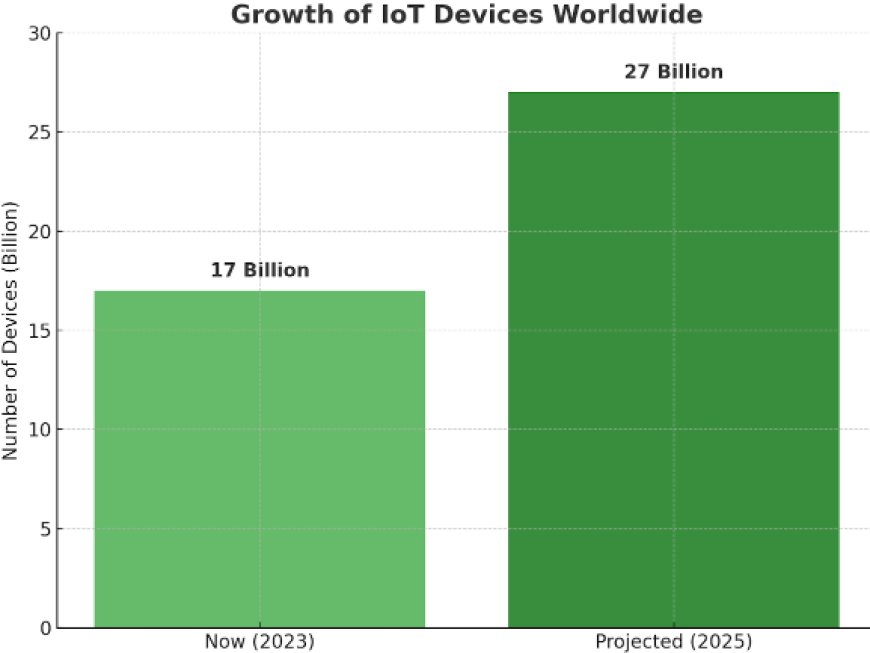
According to industry reports, over 17 billion IoT devices are active worldwide, and by 2025, it's expected to reach 27 billion, with many lacking strong security features.
Bharti Airtel is a big telecom company in India. They use many smart devices (IoT) to manage their network and serve customers better. These devices help Airtel keep things running smoothly.
But hackers tried to attack Airtel’s smart devices to steal data or cause problems. These attacks showed how IoT devices can be weak if not protected well.
To fix this, Airtel added strong security features like encryption and regular updates. They also watch their devices all the time for any strange activity. These steps keep their network safe and protect customer information.
What Is Cybersecurity in IoT?
IoT means “Internet of Things.” It refers to a group of smart devices that connect to the internet and share data with each other. Businesses use these devices to monitor machines, control security systems, track shipments, and manage information more easily and quickly.
Cybersecurity in IoT is the practice of protecting these connected devices and the data they handle from cyber threats. Without proper cybersecurity, these devices can become weak points that hackers can exploit, putting your business information and operations at risk.
Why Are IoT Devices Vulnerable?
Many IoT devices have weak security:
-
They may use simple or default passwords
-
Updates and patches might be missing
-
Data can be unprotected or shared openly
-
Users may not control access properly
Hackers use these gaps to break in, steal data, or shut down devices. Without cybersecurity in IoT, your business faces serious dangers.
Difference Between IoT and Traditional Devices
|
IoT Devices |
Traditional Devices |
|
Always connected to the internet or network |
Often standalone, limited or no internet |
|
Collects and shares data automatically |
Used mainly for direct user tasks |
|
Constant data exchange with other devices/systems |
Data mostly stored locally or manually shared |
|
Higher security risks due to constant connectivity and remote access |
Lower, but still vulnerable when connected |
|
Often requires regular automatic updates |
Updates usually manual and less frequent |
|
Can be controlled remotely or automated |
Usually controlled directly by users |
How To Protect Your Business IoT Devices

You don’t need to be a tech expert to keep your IoT devices safe. Small steps can protect your systems and data. Here's how:
-
Change Passwords: Replace default passwords with strong, unique ones for each device.
-
Update Software: Install updates regularly to fix bugs and security issues.
-
Use Separate Network: Keep IoT devices on a different network from your main systems.
-
Limit Access: Give device access only to trusted people with proper roles.
-
Buy Trusted Devices: Choose devices from reliable brands that offer security support.
How Cybersecurity in IoT Protects Your Business Data
Your business data is very important. It holds information about your customers, sales, and money. Hackers want to steal this data. If your IoT devices are not secure, they can help hackers get inside your business.
-
Access Control in IoT Devices
Cybersecurity in IoT stops unauthorized people from using your devices. It makes sure only the right users or systems can connect. This way, hackers cannot use your devices to steal data or cause harm.
-
Data Encryption for Safe Communication
Encryption changes your data into a secret code when it moves between devices or the internet. Even if someone catches the data, they cannot understand it without the right key. This keeps your business information safe from spying.
-
Anomaly Detection and Alerts
Good cybersecurity systems watch for unusual activities, like strange logins or sudden data transfers. When something looks wrong, they send alerts right away. These early warnings help stop problems before they grow bigger.
-
User Permissions and Device Management
You can control who uses your IoT devices by setting permissions. Only trusted people get access to sensitive information or settings. This lowers the chance of mistakes or inside threats.
By using these protections, cybersecurity in the IoT keeps your business data safe and secure. It helps you control your information and blocks hackers from causing damage.
Cybersecurity in IoT is a crucial part of running a safe business with smart devices. As more devices connect to the internet, the risk of attacks increases. Protecting your IoT devices helps keep your business data, customer trust, and operations secure.
Simple actions like updating software, using strong passwords, and managing access can prevent many threats. Understanding cybersecurity in IoT helps you stay ahead of hackers and protect your business.
Want to protect your IoT devices and keep your business data safe?
Visit https://digitdefence.com or email us at [email protected] to get started.
Stay secure, choose Digitdefence.