How Security for Cloud Computing Helps Businesses?
Discover how cloud security protects your data, boosts trust, and keeps your business safe. Unlock the benefits of secure cloud computing today!

Are you saving your data in the cloud but not sure if it’s safe?
Many people move their work and files to the cloud. It feels simple, fast, and helpful. But most users are not sure how secure their cloud data actually is. One wrong setting, one weak password, and your information could be exposed. This is why security for cloud computing is important. If you're using the cloud, even for small things, you need to protect it.
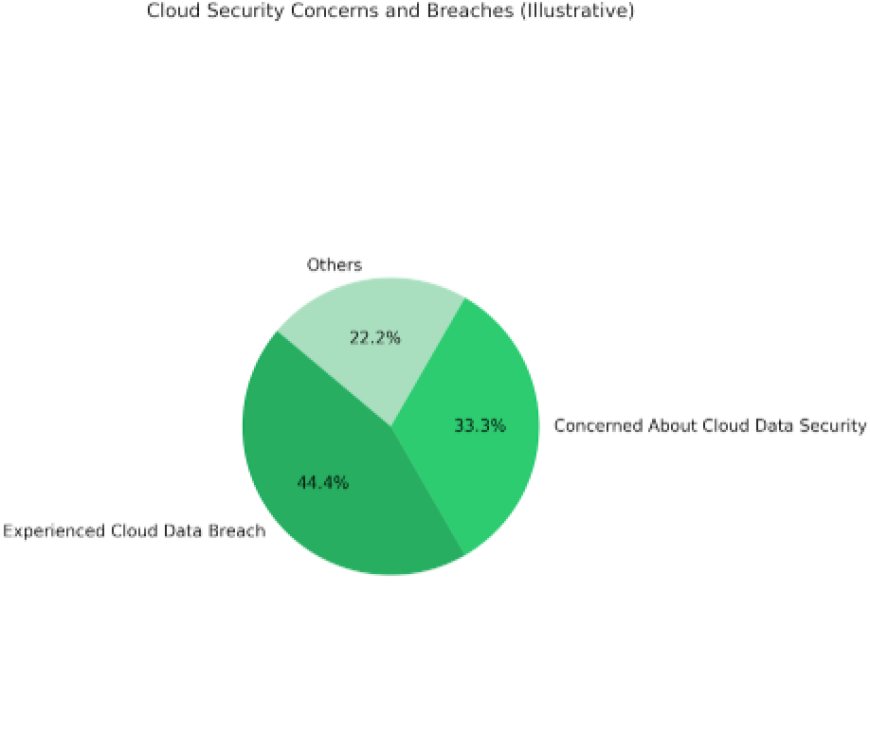
According to recent studies, over 80% of companies have experienced at least one cloud data breach. Also, 60% of cloud users report concerns about data security, showing how critical proper cloud security is.
Adobe moved its popular software, like Photoshop, to the cloud to make it easier for users to get updates and store files. Because they handle a lot of customer data, keeping it safe is very important.
As they used more cloud services, Adobe faced challenges like protecting data in different countries and stopping cyber attacks. They needed to find problems fast and keep their systems secure.
To do this, Adobe created a security team to watch for threats all day. They used strong ways to protect data and added security checks while making the software. They also used smart tools to spot unusual activity. These steps helped Adobe keep customer data safe and build trust.
What is Security for Cloud Computing?
It is a set of rules and tools that stop unwanted access and protect your cloud data. When you store files or run apps on the cloud, you need a way to keep them safe from hackers and errors.
Cybersecurity includes many areas, and security for cloud computing is one of the most important parts because many businesses depend on cloud services every day.
Why Do You Need Security for Cloud Computing?
Without proper security for cloud computing, your business risks losing important data or facing cyberattacks. Hackers try to find weak spots in cloud systems to steal information or cause damage.
A strong focus on cloud computing security helps protect your company from these problems. Good cybersecurity means knowing the risks and putting safety steps in place before something goes wrong.
When data is in the cloud, it's stored across different servers and accessed through the internet. This makes it easier to use, but also easier for the wrong people to try and break in. If you're not using tools like two-factor login, firewalls, or regular backups, you're leaving the door open to attackers.
Security for cloud computing also builds trust with your customers. If people know their data is safe with you, they are more likely to stay with your brand. It also helps you follow rules like data privacy laws, which are important in business.
How to Improve Security for Cloud Computing?
-
Use strong passwords and change them regularly.
-
Enable two-factor authentication for cloud accounts.
-
Encrypt your data to keep it unreadable to others.
-
Keep your software and apps updated to fix security holes.
-
Regularly back up your cloud data.
By following these steps, you strengthen your cybersecurity and reduce risks connected to cloud use.
Common Threats to Security for Cloud Computing
Knowing what can go wrong helps you protect yourself better. Here are some common problems:
-
Data breaches where hackers access your information.
-
Weak passwords that are easy to guess.
-
Malware that damages your files.
-
Accidental data loss or leaks by users.
Key Elements of Security for Cloud Computing

-
Access Management limits who can see or use your cloud data. Only give access to trusted people, and regularly review permissions to keep your data safe.
-
Data Encryption
Turn your data into a code that only authorized users can read. This protects your information even if someone tries to access it without permission. -
Regular Updates
Keep cloud apps and systems up to date. Updates often fix security problems and help protect against new threats. -
Monitoring and Alerts
Watch for unusual activity in your cloud accounts. Set up alerts to notify you quickly if something suspicious happens, so you can act fast.
Cloud Computing vs On-Premise Servers

Steps to Build Strong Security for Cloud Computing
-
Choose Reliable Cloud Providers
Select cloud service companies that have a strong reputation for security and reliable customer support. This helps ensure your data is handled safely. -
Train Your Team
Make sure your employees understand how to use the cloud safely. Teach them how to spot phishing attempts, weak passwords, and other common threats. -
Backup Your Data
Regularly save copies of your important data. This way, if anything goes wrong, you can quickly restore your information without major loss. -
Use Multi-Factor Authentication extra layer of security when logging into cloud accounts. This means even if someone gets your password, they still need another verification step to access your data.
Cloud computing makes work easier, but it also needs strong protection. Without proper security, your important data can be at risk of being lost or stolen. By using simple steps like strong passwords, backups, and careful monitoring, you can reduce these risks. Keeping your cloud systems safe helps your business run without interruptions. Always stay aware and take action to protect your data.
Want to protect your business systems and keep your customer data safe?
Visit https://digitdefence.com or email us at [email protected] to get started.
Stay secure, choose Digitdefence.