
Optimize Your Business with Cloud Computing Services
Enhance efficiency and scalability in your operations by leveraging cloud computing services tailored to meet business needs.

Are you still using outdated infrastructure that holds you back from growing?
Or are you prepared to adopt a contemporary solution that provides flexibility, scalability, and cost-effectiveness? Cloud computing services are transforming the way companies do business, and it's time to streamline your business by tapping into their full potential.
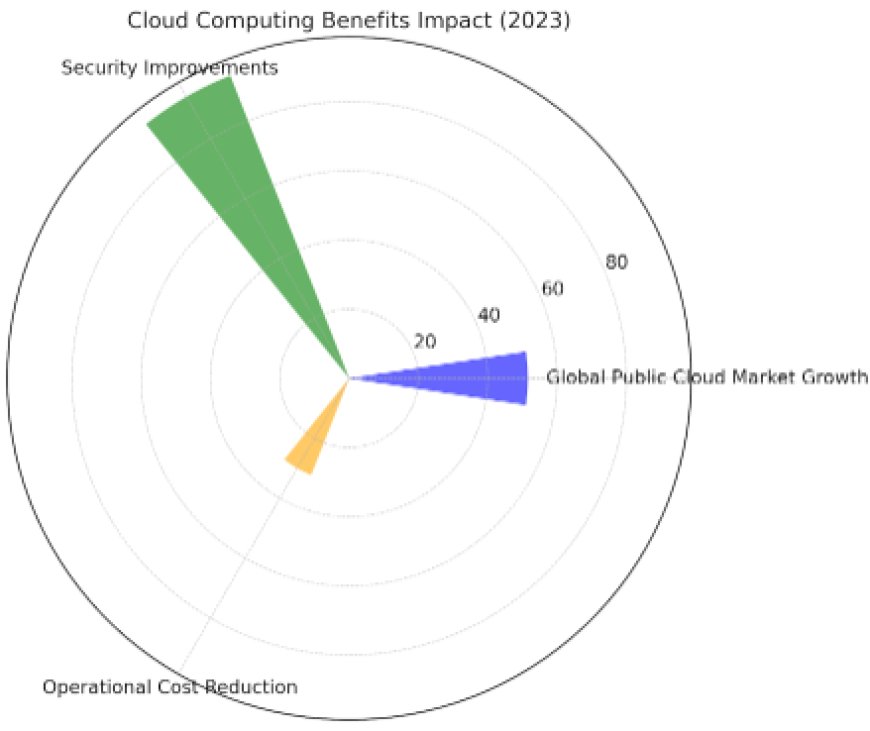
According to a report by Gartner, the global public cloud services market is expected to grow to ₹51.57 trillion by 2023, with a compound annual growth rate (CAGR) of 18.4%. Furthermore, 94% of businesses report experiencing security improvements after moving to the cloud. For companies using cloud-based tools, operational costs can be reduced by up to 30%. These statistics demonstrate the immense benefits of cloud computing, from reducing infrastructure costs to improving operational efficiency. So, how can the services of cloud computing help your business grow and thrive?
An example from the real world of how the services of cloud computing can revolutionize a business is Netflix. Netflix transitioned into a cloud infrastructure in 2008, with which they were able to ramp up their service quickly as they expanded their customer base.
Netflix has been in a position to offer seamless streaming to millions of worldwide customers, ensure high-definition video, and keep on innovating its delivery system through the use of cloud computing. Their cloud-based infrastructure allows them to host huge datasets, provide personalized suggestions, and track user activity, all of which help them keep growing and thriving.
Due to embracing cloud services, Netflix experienced enhanced scalability, data storage, and end-user experience. Their capability of providing seamless content on various devices anywhere in the world has established them as a leading streaming service provider.
What is Cloud Computing?
Cloud computing is the provision of computing as a service via the internet, whereby companies are given access to computing resources such as storage, servers, networking, databases, software, and analytics. The services enable companies to scale their infrastructure needs based on demand without a large investment in on-premises hardware. Cloud computing services also provide added flexibility, security, and collaboration, which make them an essential tool for today's businesses as they seek to streamline their operations.
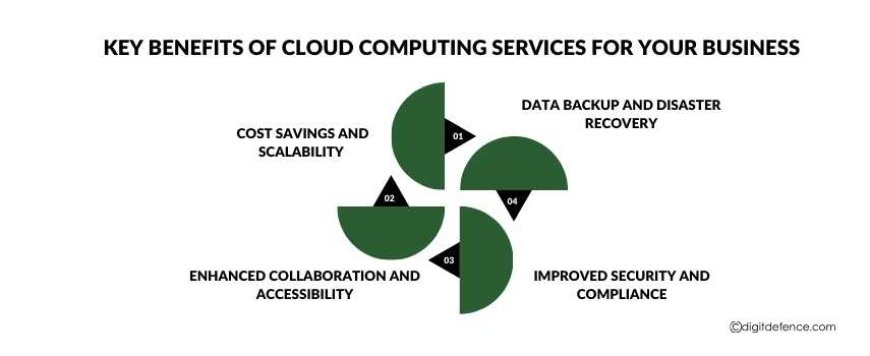
Key Benefits of Cloud Computing Services for Your Business
1. Cost Savings and Scalability
One of the biggest advantages of cloud computing is cost savings. Instead of purchasing and maintaining expensive hardware, businesses can rent cloud services on a pay-as-you-go model. This reduces upfront costs and ensures you only pay for what you use. As your business grows, the cloud allows you to scale your infrastructure quickly and easily, without the hassle of physical upgrades.
How It Helps:
-
Reduces the cost of purchasing and maintaining physical servers.
-
Pay only for the resources you use, making budgeting more predictable.
-
Scale your services up or down based on business needs, ensuring flexibility.
2. Enhanced Collaboration and Accessibility
With cloud computing, your employees can access the tools and data they need from anywhere, on any device, as long as they have an internet connection. This improves collaboration across departments and geographical locations, making remote work and real-time updates much easier. Cloud services also ensure that your team can work seamlessly without being restricted to a specific office or device.
How It Helps:
-
Enable collaboration with cloud-based tools like Google Workspace, Microsoft 365, and Slack.
-
Allow employees to access important documents and applications remotely.
-
Increase productivity by facilitating seamless communication between teams.
3. Improved Security and Compliance
Security is often a concern when transitioning to cloud services, but in reality, most reputable cloud service providers invest heavily in security measures. They offer encryption, multi-factor authentication, and regular security updates to protect your data. Furthermore, many cloud providers comply with industry standards and regulations, ensuring your business meets required compliance guidelines.
How It Helps:
-
Data encryption ensures that your information is protected from unauthorized access.
-
Cloud providers implement regular security updates and vulnerability management to keep systems secure.
-
Many cloud services adhere to compliance standards like GDPR, HIPAA, and SOC 2, helping businesses maintain regulatory compliance.
4. Data Backup and Disaster Recovery
One of the most important aspects of cloud computing is its ability to back up data and ensure business continuity in case of a disaster. Traditional backup solutions are often costly and time-consuming, but cloud-based backup services make it easy to recover lost data and get your business up and running quickly after an unexpected event.
How It Helps:
-
Cloud-based backups allow for automatic data protection, reducing the risk of data loss.
-
Quick recovery times minimize downtime and ensure business continuity.
-
No need for complex hardware or infrastructure to implement backup and recovery processes.
How Services of Cloud Computing Can Improve Your Business
1. Cloud Storage and File Sharing
Services of cloud computing offer seamless storage solutions that enable businesses to store large amounts of data without relying on physical storage devices. Cloud storage services like Google Drive, Dropbox, and Amazon S3 allow your team to upload, share, and access files in real time. These services also ensure that your data is backed up and stored securely.
How It Helps:
-
Store vast amounts of data without purchasing expensive hardware.
-
Share files quickly and securely with teams or clients.
-
Access your data from anywhere, on any device, at any time.
2. Customer Relationship Management (CRM) Systems
CRM systems powered by the cloud, such as Salesforce and HubSpot, enable businesses to manage and analyze customer interactions more effectively. These platforms offer centralized access to customer data, sales tracking, and marketing tools, enabling businesses to improve customer service, enhance sales efforts, and drive conversions.
How It Helps:
-
Manage customer interactions and data from a single platform.
-
Improve customer service by providing your team with real-time data.
-
Automate marketing and sales processes to enhance customer engagement.
3. Cloud Computing for Marketing Automation
Cloud-based marketing automation tools like Mailchimp and Marketo help businesses streamline their marketing efforts. By automating tasks like email marketing, social media management, and customer segmentation, businesses can improve their outreach and increase the chances of generating leads and sales.
How It Helps:
-
Automate repetitive tasks, saving time and resources.
-
Segment your audience and send personalized marketing messages.
-
Track campaign performance and adjust strategies based on real-time data.
In the fast-paced digital age of today, cloud computing services provide companies with an unprecedented chance to automate processes, improve customer experiences, and lower costs. From flexibility and scalability to enhanced security and disaster recovery, cloud services enable companies to expand while having control over their infrastructure.
So, if you’re looking to elevate your business and stay competitive, embracing cloud computing services is a smart move. Start your cloud journey today and unlock new opportunities for growth and success! Contact us at [email protected] to get started!