
How Disaster Recovery in Cloud Computing Prevents Losses
Disaster recovery in cloud computing protects business data, ensures fast recovery, reduces downtime, and prevents financial and operational losses.
You may be wondering, “What happens if my business data or systems suddenly go down?”
There are many risks, like cyber attacks, server failures, or natural disasters, that can stop operations and cause financial losses. Cloud disaster recovery helps businesses protect their data, keep systems running, and quickly recover when problems happen.
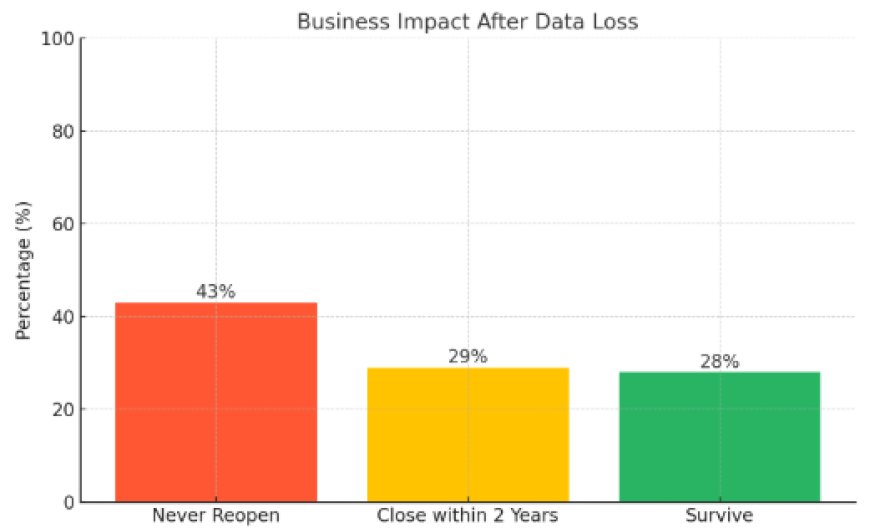
Studies show that 43% of businesses that lose critical data never reopen, and 29% close within two years. Even a small disaster recovery plan can save your business from huge losses.
Flipkart, India’s top e-commerce platform
During a big sale, their servers went down, putting millions of orders at risk.
Flipkart used cloud disaster recovery with real-time data copying and automatic system switchovers. The problem was fixed in minutes, sales kept going smoothly, and customers stayed confident in the platform.
What Is Disaster Recovery in Cloud Computing?
Disaster Recovery in the Cloud is a plan that keeps your business data, apps, and computer systems safe and easy to recover if something goes wrong. Unlike old methods that use backups at your office or a second location, disaster recovery in the cloud uses online servers and automatic systems to restore everything quickly.
In simple terms, disaster recovery in the cloud lets your business start working again fast after problems while reducing downtime and financial losses.
Key Components of Cloud Disaster Recovery
-
Data Backups: Regularly saving important business data to secure cloud storage.
-
Replication: Copying servers and databases to the cloud in real time or almost real time.
-
Failover & Failback: Automatically or manually switching to backup systems if something fails, then switching back once the problem is fixed.
-
Monitoring & Alerts: Watching systems all the time to spot problems and take action quickly.
-
Testing & Compliance: Regularly checking DR plans to make sure they work and meet legal or industry rules.
Types of Cloud Disaster Recovery
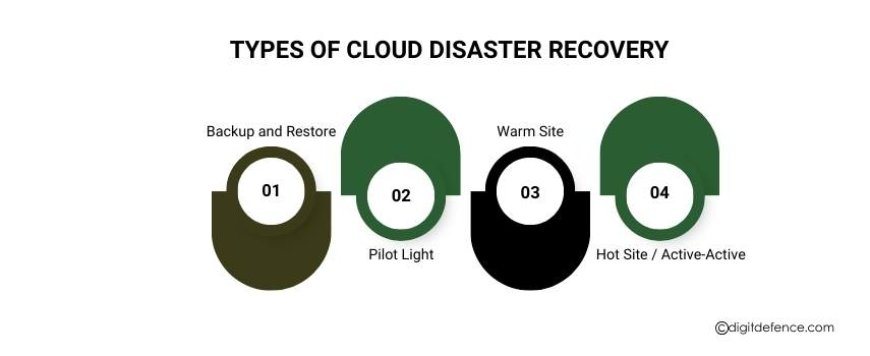
Businesses can choose different types of cloud disaster recovery depending on their needs and budget:
-
Backup and Restore
This is the simplest method. Data is regularly saved to the cloud and restored when needed. It’s low-cost and easy to set up, but recovering systems can take time.
-
Pilot Light
A small part of the system runs in the cloud all the time. During a disaster, the full system can be quickly started. It’s faster than backup and restore, but slightly more complex.
-
Warm Site
Some important systems run in the cloud, ready to scale up if something goes wrong. It provides a balance between cost and speed of recovery.
-
Hot Site / Active-Active
All systems run in the cloud in real time, so if the main system fails, the cloud system takes over immediately. This method is very fast but more expensive.
Why Cloud Disaster Recovery Is Essential for Businesses
Disasters can happen in many ways, from cyber attacks like ransomware to computer failures or even natural events like floods or earthquakes. Using disaster recovery cloud computing helps businesses keep their data and systems safe and recover quickly when problems occur.
Here’s why businesses are using cloud disaster recovery (cloud DR) to avoid such losses:
1. Minimized Downtime
Downtime is costly. Even a few hours of systems being unavailable can lead to lost money, unhappy customers, and missed opportunities. Cloud DR quickly switches operations to backup systems so your business can keep running while the main system is fixed.
Example: A financial company using cloud DR can keep processing transactions even if their main data center stops working, avoiding losses and disruption.
2. Protection Against Data Loss
Data is the most important part of a business. Losing customer or operational data can hurt your reputation and may cause legal problems. Cloud DR stores data safely in multiple places, reducing the risk of permanent loss.
3. Cost-Effectiveness
Traditional disaster recovery often needs a second data center, which is expensive to build and maintain. Cloud DR uses online servers, so businesses only pay for what they use, making it much cheaper.
4. Scalability and Flexibility
Cloud DR can grow with your business. Whether your company grows, has seasonal busy times, or adds new technologies, cloud DR adjusts easily without major changes.
5. Regulatory Compliance
Industries like finance, healthcare, and e-commerce have strict rules for data protection. Cloud DR providers offer tools and processes to help businesses follow rules like GDPR, HIPAA, ISO 27001, and local laws.
How Cloud Disaster Recovery Prevents Losses
Cloud disaster recovery helps businesses avoid different types of losses by keeping systems, data, and operations safe. Here’s how it protects businesses:
-
Financial Loss Prevention
When systems go down, businesses can lose money quickly. A disaster recovery site allows operations to switch to backup systems fast, reducing downtime and preventing lost revenue. Even a few minutes of downtime can cost a lot, so quick recovery is essential to protect the business’s income.
-
Data Integrity
Important business information, like customer details, financial records, and operational data, is safe with cloud disaster recovery. Data is stored in multiple secure locations, so even if one system fails or is attacked, the information is not lost. This keeps the business running and prevents permanent data loss.
-
Reputation Management
Customers trust businesses that work reliably. If a system crash or data loss disrupts service, it can hurt the company’s reputation. Cloud disaster recovery ensures that operations continue smoothly, maintaining customer confidence and loyalty.
-
Operational Continuity
Employees need access to systems and data to do their work. Cloud DR ensures they can keep working without interruption, even if the main servers fail. This keeps productivity high and prevents delays in business processes.
-
Regulatory Protection
Many industries have rules for storing and protecting data. Disaster recovery solutions in the cloud help businesses follow these laws and standards, avoiding fines, penalties, or legal issues. Proper DR plans ensure that all required data is safe and recoverable, keeping the business compliant with regulations.
Cloud Disaster Recovery keeps your business safe from unexpected downtime, data loss, and disruptions. By using backups, real-time copies, system monitoring, and regular testing, your business can recover quickly from problems while keeping data safe and employees working. Regular use of cloud DR helps your business run smoothly, avoid financial losses, and keep customers confident.