
How to Secure Your Network from APT Attacks
Learn effective strategies to protect your network from APT attacks, safeguarding data, systems, and sensitive information from advanced cyber threats

Do you know that some cyber attacks can stay hidden in your business systems for weeks? These are called Advanced Persistent Threats (APTs). Unlike normal attacks that are quick, APTs are slow and secret. Hackers enter your network, hide inside, and quietly steal data or disturb operations without being noticed.
A report by Mandiant says that attackers stay inside a company’s system for about 16 days before being found. That means your business could already be under attack without you knowing it. This can lead to data loss, money loss, and damage to your company’s name.
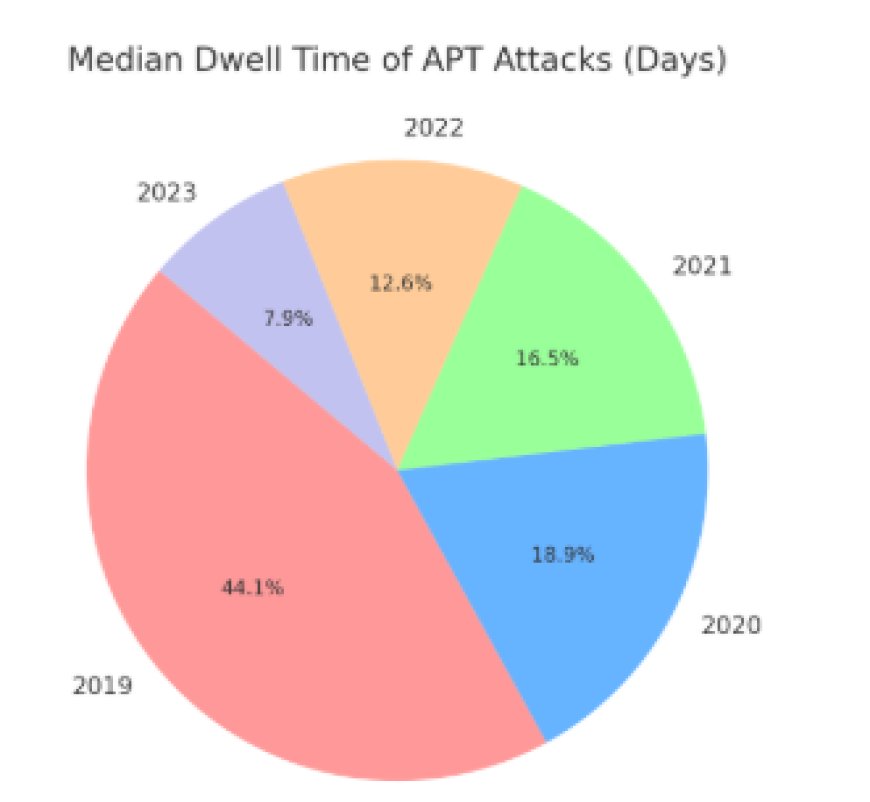
That’s why it is very important to build strong protection against APT attacks.
What Are APT Attacks?
An Advanced Persistent Threat (APT) is a type of cyberattack that lasts a long time. Hackers sneak into a company’s network, stay hidden, and keep stealing or messing with data over time.
Unlike ransomware attacks or phishing, which are fast and obvious, APTs are carefully planned and happen in multiple steps. They often come from organized hacker groups, sometimes even supported by governments.
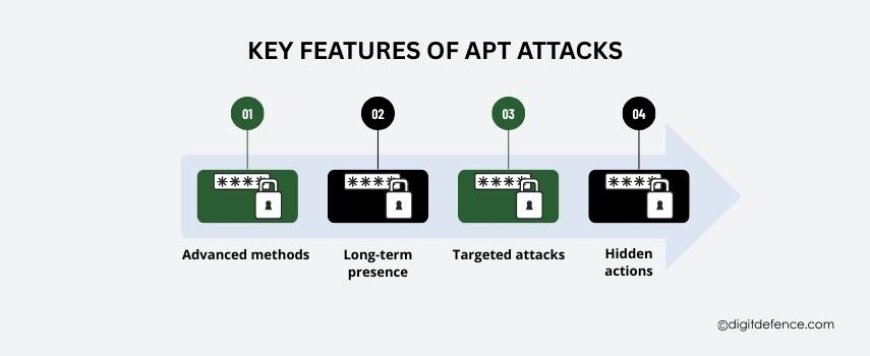
Key Features of APT Attacks
-
Advanced methods – Hackers use special techniques like unknown software weaknesses (zero-day exploits), fake emails (spear phishing), and malware.
-
Long-term presence – They can stay inside your system for months or even years.
-
Targeted attacks – Usually aimed at important organizations like banks, healthcare, government, or big companies.
-
Hidden actions – They work quietly, so no one notices them.
How Do APT Attacks Work?
To protect your business, it helps to understand how APT attacks happen. These attacks usually follow several steps:
-
Getting In – Hackers enter your network using methods like fake emails (phishing), malicious links, or weak passwords.
-
Staying Inside – Once inside, they install hidden software (malware) to remain in the system without being noticed.
-
Moving Around – Hackers explore the network to find important files, servers, or systems.
-
Collecting Data – They slowly gather sensitive information, like customer data, financial records, or trade secrets.
-
Stealing or Misusing Data – The stolen information is quietly taken out of the network or used for other attacks.
-
Staying Hidden – Even if some activity is noticed, hackers find ways to return or stay connected.
In simple words, an APT attack is when hackers get into a system, stay hidden for a long time, and slowly steal or misuse important data without being noticed.
Why Businesses Must Take APTs Seriously
APTs are dangerous because they can stay hidden in your systems for a long time and cause serious damage. Here’s why businesses need to take them seriously:
-
High Financial Loss – APT attacks can cost companies millions of dollars in lost data, downtime, and recovery.
-
Reputation Damage – Customers lose trust if their data is stolen or systems are compromised.
-
Legal and Compliance Risks – Breaking rules like GDPR, HIPAA, or India’s Data Protection law can lead to fines.
-
Operational Disruption – Hackers can slow down or stop business operations, affecting productivity.
-
Targeting All Businesses – APT attacks don’t only happen to big companies, small and medium businesses are also at risk.
In short, ignoring APTs can hurt your business’s money, reputation, and ability to operate safely.
How to Secure Your Network from APT Attacks
Protecting your network from APT attacks requires several steps to make it harder for hackers to enter, stay hidden, or steal data.
-
Use Strong Network Security – Install firewalls and systems that detect suspicious activity. Keep an eye on all traffic in your network.
-
Protect Devices and Endpoints – Make sure computers, laptops, and mobile devices have antivirus software and are updated regularly.
-
Apply Patches and Updates – Fix software weaknesses quickly by updating operating systems and applications.
-
Use Strong Passwords and Multi-Factor Authentication (MFA) – Make it harder for hackers to log in using stolen credentials.
-
Monitor and Detect Threats – Use tools like SIEM or XDR to watch for unusual activity and respond quickly.
-
Train Employees – Teach staff to recognize phishing emails and unsafe downloads.
-
Segment Your Network – Divide your network so hackers can’t move easily from one part to another.
-
Have a Response Plan – Be ready with a clear plan to act if an attack is detected.
Following these steps reduces the risk of APT attacks and keeps your business data safe.
Future of APT Attacks
APTs are becoming more advanced and harder to detect. Hackers are using new tools like AI, machine learning, and automation to stay hidden and move faster.
In the future:
-
More Targeted Attacks – Hackers will focus on specific companies, industries, or even individual employees.
-
Long-Term Hidden Access – Attackers may stay inside systems for months or years without being noticed.
-
Use of AI and Automation – AI will help hackers find weaknesses and attack faster.
-
Supply Chain Attacks – Hackers will target software or service providers to reach multiple businesses at once.
-
Higher Risk for Small Businesses – Even smaller companies can be attacked as a way to reach bigger targets.
To stay safe, businesses must improve defenses, monitor networks continuously, train employees, and use modern cybersecurity tools.
FAQs
1. What is the main goal of an APT attack?
To remain undetected for a long time while stealing or manipulating sensitive data.
2. How long can an APT remain inside a network?
On average, APTs can persist for 200+ days before detection.
3. Are APT attacks only carried out by state-sponsored groups?
Mostly yes, but increasingly, cybercriminal organizations are adopting APT tactics.
4. Can antivirus software stop an APT?
Traditional antivirus tools are ineffective against APTs, as they rely on advanced evasion techniques.
5. Which industries are most at risk?
Government, finance, healthcare, IT, and manufacturing.
6. What is the role of XDR in preventing APTs?
XDR provides centralized detection and automated response, essential for combating APTs.
APTs are not like normal cyberattacks. They are long-term, focused, and can seriously harm your business without being noticed. Hackers can slowly enter your systems, steal data, and cause damage over time.
The best way to protect your network is to use many layers of defense: strong access controls (Zero Trust), AI-based detection, continuous monitoring, and training employees to spot threats. Since managing this alone can be hard, working with a trusted cybersecurity provider can give you 24/7 protection, help you follow rules, and give peace of mind.