Top Cyber Security Attacks and How to Stop Them
Your data is at risk! Discover the biggest cyber security attacks, how hackers strike, and the best ways to protect yourself before it’s too late!

As a cyber security specialist, I’ve always been fascinated by how technology shapes the business world. But with every advancement, there’s an increasing risk of Cyber Security Attacks. Over the years, I’ve seen businesses suffer massive financial losses, reputational damage, and even permanent shutdowns due to cyber threats. What’s alarming is that these attacks are getting more advanced, targeting not just large corporations but also small businesses, individuals, and even government agencies.
I remember the first time I worked with a company that fell victim to ransomware. Their entire database was locked, and they were left with two options, pay the attackers or lose years of hard work. This experience made me get deep into cybersecurity and understand how businesses can protect themselves from these threats. If you think you’re immune to Cyber Security Attacks, think again. Hackers are constantly finding new ways to exploit vulnerabilities, and being prepared is the only way to stay ahead. Here, I’ll share with you the most dangerous Cyber Security Attacks and, more importantly, how you can defend against them.
Understanding Cyber Security Attacks
Cyber Security Attacks refer to malicious activities carried out by hackers to steal, manipulate, or destroy sensitive data. These attacks can take various forms, including phishing, ransomware, malware, denial-of-service (DoS), and advanced persistent threats (APTs). The goal is often financial gain, espionage, or disruption of operations.
Why Cyber Security Attacks Are on the Rise?
-
Increased digital dependency
-
Remote work vulnerabilities
-
Growth in IoT (Internet of Things) devices
-
Lack of cybersecurity awareness
-
Rise of AI-powered hacking tools
Now, let’s get into some of the most common and dangerous cyber attacks and how you can protect yourself against them.
Top Cyber Security Attacks and How to Prevent Them
What it is:
Phishing is a social engineering attack where hackers trick individuals into providing sensitive information, such as login credentials or credit card details. Attackers often disguise themselves as trustworthy sources like banks, social media platforms, or company executives.
How to stop it:
-
Never click on suspicious links or download attachments from unknown emails.
-
Always verify the sender's email address before responding.
-
Use multi-factor authentication (MFA) to add an extra layer of security.
-
Train employees on how to spot phishing emails.
2. Ransomware Attacks
What it is:
Ransomware is a type of malware that encrypts files and demands a ransom to restore access. Major companies like Colonial Pipeline and JBS Foods have suffered from ransomware attacks, causing millions in losses.
How to stop it:
-
Regularly back up important data to an offline server.
-
Keep software and operating systems updated.
-
Avoid clicking on pop-ups or links from unknown sources.
-
Use strong endpoint protection solutions.
3. Denial-of-Service (DoS) and Distributed Denial-of-Service (DDoS) Attacks
What it is:
DoS and DDoS attacks overload a server with excessive traffic, causing it to crash. These attacks can take down websites, making them inaccessible to users.
How to stop it:
-
Implement network security tools like firewalls and intrusion prevention systems.
-
Use CDN (Content Delivery Networks) to absorb high traffic loads.
-
Monitor network traffic for unusual patterns.
-
Utilize anti-DDoS solutions to mitigate risks.
4. Malware and Spyware Attacks
What it is:
Malware refers to malicious software designed to infiltrate and damage systems. Spyware specifically steals sensitive information without the user’s knowledge.
How to stop it:
-
Install anti-malware and antivirus software.
-
Avoid downloading software from unknown sources.
-
Use firewalls to monitor incoming and outgoing traffic.
-
Regularly scan devices for suspicious activity.
5. Supply Chain Attacks
What it is:
In a supply chain attack, hackers infiltrate a company by targeting its vendors or software providers. A well-known example is the SolarWinds attack, which affected multiple organizations worldwide.
How to stop it:
-
Conduct thorough security assessments of third-party vendors.
-
Ensure all software updates come from verified sources.
-
Use endpoint detection and response (EDR) solutions.
-
Restrict third-party access to sensitive systems.
How to Strengthen Your Cyber Security Defenses
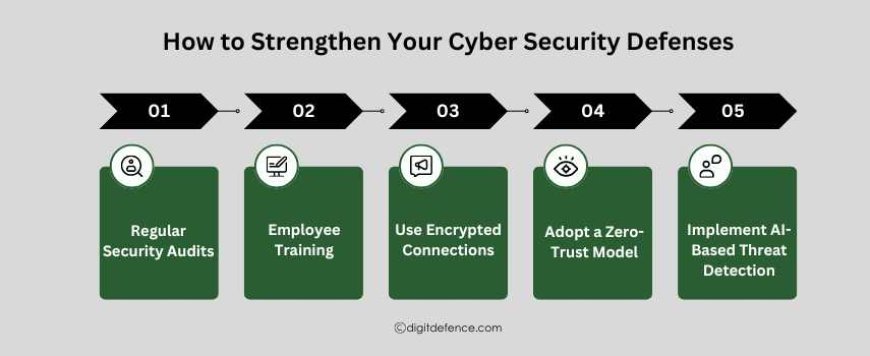
Cyber Security Attacks are constantly changing, making it critical for businesses and individuals to stay proactive. Here are some essential steps to improve cybersecurity:
-
Regular Security Audits: Conduct routine penetration testing to identify system vulnerabilities.
-
Employee Training: Educate employees on cyber threats and social engineering tactics.
-
Use Encrypted Connections: Implement VPNs and SSL encryption for secure data transmission.
-
Adopt a Zero-Trust Model: Restrict access to sensitive data only to authorized personnel.
-
Implement AI-Based Threat Detection: Use AI-driven cybersecurity tools to detect and block suspicious activities.
Case Studies
Case Study1:
Microsoft, one of the largest tech companies in the world, suffered a major Cyber Security Attack when hackers exploited vulnerabilities in their Exchange email servers.
Challenge:
Hackers gained unauthorized access to thousands of email accounts, compromising sensitive corporate and government data. This attack affected 30,000 organizations worldwide and was attributed to state-sponsored hacking groups.
Solution:
-
Microsoft released emergency security patches to fix the exploited vulnerabilities.
-
Organizations were advised to immediately update their Exchange servers.
-
Advanced threat monitoring and security audits were implemented to detect future attacks.
Case Study2:
Tesla, the leading electric vehicle manufacturer, was targeted in a sophisticated insider cyber attack attempt in 2020.
Challenge:
A Russian cybercriminal attempted to bribe a Tesla employee to install malware into the company’s internal network. If successful, the attack could have compromised Tesla’s entire manufacturing system and stolen valuable proprietary data.
Solution:
-
The Tesla employee reported the attempt to the FBI instead of accepting the bribe.
-
Tesla increased internal security measures to detect and prevent insider threats.
-
The cybercriminal was arrested, preventing potential damage to Tesla’s operations.
Cyber Security Attacks are becoming more frequent, complex, and damaging. However, by adopting proactive security measures, updating systems regularly, and educating employees, businesses can significantly reduce their risk of falling victim to cyber threats. With cybercriminals constantly changing their tactics, staying informed and prepared is the best defense. Whether you’re a small business owner, a corporate leader, or an individual user, taking cybersecurity seriously is no longer optional, it’s a necessity. By following the preventive measures outlined, you can protect your data, your business, and your financial assets from the ever-growing threat of Cyber Security Attacks.