
Why Startups Are Easy Targets for Data Leaks?
Why are startups easy targets for data leaks? Explore common security gaps, real cases, and steps to keep sensitive data safe.

Startups are easy targets for Data Leaks because they focus more on growth than on security. With limited budgets, small IT teams, and weak protection systems, hackers find it easier to attack them compared to large companies.
Have you ever thought about how much damage one data leak could do to a startup? What if customer trust, money, and years of hard work disappeared overnight?
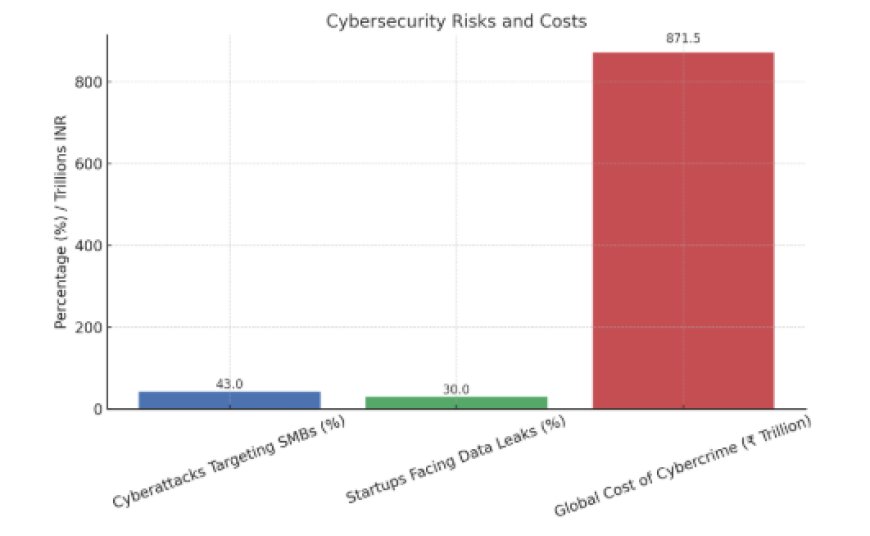
Reports show that 43% of cyberattacks target small and medium businesses, over 30% of startups face at least one data leak each year, and the global cost of cybercrime will cross ₹871.5 trillion by 2025.
Canva is a popular online design platform launched in 2013, widely used by startups, businesses, and individuals for creating graphics. By 2019, it had grown to millions of users worldwide, making it a major name in the digital design industry.
In May 2019, Canva suffered a massive Data Leak, a type of cybersecurity breach, where hackers accessed the data of more than 130 million users. Exposed information included usernames, email addresses, and encrypted passwords. This raised big concerns about how startups, even successful ones, handle growing security risks.
After the incident, Canva took quick steps to reset user passwords, strengthen encryption, and improve overall cyber defenses. They also worked with cybersecurity experts to patch vulnerabilities and reassure customers that their data was being protected more securely.
The Basics of Data Leaks in Cyber Security
A Data Leak in cyber security is the accidental or unauthorized exposure of confidential information such as customer data, financial records, trade secrets, or internal communications. Unlike targeted recent security attacks or deliberate hacking attempts, Data Misuse often arises from overlooked vulnerabilities, weak security practices, or employee mistakes.
For startups, the impact of Data Misuse can be severe. Beyond immediate financial losses, it may lead to regulatory fines, loss of customer confidence, and long-term reputational harm. Understanding what a data breach is and how it differs from Data Misuse is the first step toward building effective protection strategies.
Reasons Why Startups Face Data Leaks
Data breaches in cyber security and leaks in startups often stem from weak security practices and oversights rather than advanced hacking attempts. When resources are stretched thin, these vulnerabilities can go unnoticed until it’s too late.
The most common causes include:
-
Weak Password Practices: Using simple or repeated passwords makes it easy for attackers to gain access.
-
Lack of Encryption: Sensitive customer or financial data stored without encryption is more likely to be exposed.
-
Unsecured Cloud Storage: Misconfigured cloud services often lead to accidental public access.
-
Phishing Attacks: Employees can be tricked into sharing login details or clicking harmful links.
-
Unpatched Software: Delaying system or application updates leaves known security gaps open.
-
Insider Mistakes: Human error, such as sending files to the wrong person, can unintentionally cause Data Misuse.
-
Third-Party Vulnerabilities: Vendors or tools without strong security standards can create backdoor risks.
Startups must recognize that most cybersecurity breaches are preventable with the right policies, training, and regular security audits.
Why Startups Are Easy Targets for Data Leaks
Startups are often viewed as soft targets by cybercriminals because their focus on rapid growth can leave security gaps. With limited resources and smaller IT teams, they tend to overlook essential safeguards, making Data Misuse more likely.
Key reasons why startups are easy targets:
-
Limited Budgets: Security investments often take a backseat to marketing, hiring, and product development.
-
Smaller IT Teams: Startups usually lack dedicated cyber security experts to monitor systems 24/7.
-
Weak Policies: Many startups operate without clear data protection protocols or employee training.
-
Reliance on Third-Party Tools: Cloud apps and integrations, if misconfigured, can become easy entry points.
-
Remote Work Risks: Distributed teams may access data through unsecured networks or personal devices.
-
High-Value Data: Even small startups store sensitive customer data that is attractive to attackers.
A single overlooked vulnerability can cause Data Misuse, exposing customer trust, financial stability, and brand reputation to long-term damage.
Practical Ways Startups Can Prevent Data Leaks

Preventing a Data Leak is not just about using the latest tools, it’s about creating a culture of security and ensuring that every process, from data storage to employee training, is built around protection. Startups can take practical steps that strengthen defenses without requiring enterprise-level budgets.
Key prevention strategies for startups:
-
Enforce Strong Password Policies: Use complex passwords, change them regularly, and implement multi-factor authentication (MFA).
-
Encrypt Sensitive Data: Secure customer and business data both in transit and at rest to reduce exposure risks.
-
Secure Cloud Configurations: Regularly audit cloud services to ensure no storage buckets or files are publicly accessible.
-
Regular Software Updates: Patch systems, apps, and plugins on time to close known security loopholes.
-
Employee Training: Educate staff on phishing attacks, safe data handling, and proper reporting procedures.
-
Limit Data Access: Give employees access only to the data necessary for their role (principle of least privilege).
How Cybersecurity Services Help Stop Data Leaks
While startups can take internal steps to reduce risks, partnering with professional cyber security services companies adds an extra layer of protection. These providers bring expertise, tools, and continuous monitoring that most startups cannot maintain on their own. Their role goes beyond fixing problems, they help prevent Data Misuse before it occurs.
Ways cybersecurity services protect startups from data leaks:
-
24/7 Monitoring: Constant surveillance of networks and systems to detect suspicious activity early.
-
Threat Intelligence: Using advanced tools to identify emerging risks and vulnerabilities before attackers exploit them.
-
Secure Cloud Management: Ensuring that cloud configurations are set up properly and audited regularly.
-
Data Encryption and Backup: Protecting sensitive files with data encryption and secure backup systems to avoid loss during breaches.
-
Access Control Solutions: Setting role-based permissions to minimize insider risks and accidental exposures.
-
Incident Response: Quick detection, containment, and recovery in the event of a Data Misuse or cybersecurity breach.
-
Compliance Support: Helping startups meet standards like GDPR, HIPAA, or PCI DSS to avoid legal penalties.
By addressing security breaches and how they can be prevented, cybersecurity partners give startups the confidence to grow without fear of losing customer data.
For startups, growth and innovation often take center stage, but overlooking security can have lasting consequences. A single Data Leak can undo years of hard work by damaging customer trust, draining finances, and harming brand reputation.
The good news is that most data breaches in cyber security are preventable. By strengthening internal practices, training employees, and partnering with reliable cyber security services companies, startups can protect sensitive information and ensure business continuity.
Protect your startup today. Contact us at [email protected] to secure your business from data leaks.