How to Defend Your Business from Network Attacks
Protect your business from costly network attacks! Learn proven strategies to safeguard your data and keep cyber threats away. Start defending today!

Is your company ready to fight the increasing threat of network attacks?
Do you know how to protect your data and keep your customers' trust? Cybercriminals are changing every day, and knowing how to protect your network against attacks is important for all businesses, no matter their size or industry.
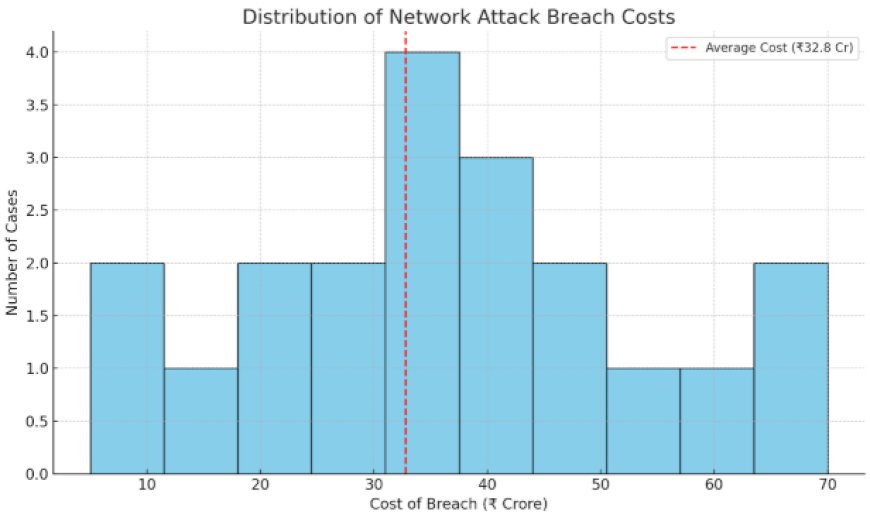
Reports state that 43% of cyberattacks target small businesses, and approximately 60% of businesses that face a serious network attack close within six months. Additionally, the average cost of a network attack breach is more than ₹32.8 crore, suggesting a severe financial and reputational impact. These statistics reinforce the importance of preventing network attacks through effective business practices.
What Are Network Attacks?
Network attacks involve actions taken by hackers or malicious actors to illegally exploit, interfere with, or take control of an organization's network infrastructure. Furthermore, network attacks often lead to data exfiltration, service outages, or loss of infrastructure. Many forms of network attacks exist, including Distributed Denial of Service (DDoS), malware, ransomware, phishing, and man-in-the-middle attacks are some of the more commonly exploited vulnerabilities.
Network attacks can result in serious consequences, such as loss of sensitive customer information, financial losses, regulatory fines, and damage to your brand's reputation. To defend a business, it is vital to have a multi-layered approach and ongoing vigilance.
Key Strategies to Defend Your Business from Network Attacks
1. Implement Strong Firewalls and Intrusion Prevention Systems
Firewalls act as a barrier between your trusted internal network and untrusted external networks. A strong firewall helps monitor and control incoming and outgoing traffic based on security rules. Additionally, Intrusion Prevention Systems (IPS) detect suspicious activity and take immediate action to block potential threats before they reach your network.
By combining these technologies, businesses can reduce their attack surface and prevent unauthorized access.
2. Regularly Update and Patch Software
Network attackers often exploit vulnerabilities in outdated software. Regularly updating and patching your operating systems, applications, and security tools is critical to closing these security gaps. Automated patch management solutions can help ensure that updates are applied promptly, reducing the risk of exploitation.
3. Deploy Multi-Factor Authentication (MFA)
Multi-Factor Authentication adds an extra layer of security by requiring users to provide two or more verification factors before accessing the network. This significantly reduces the risk of credential theft and unauthorized access, which are common in network attacks like phishing.
4. Educate Employees and Stakeholders
Human error remains one of the biggest vulnerabilities in network security. Conduct regular cybersecurity awareness training to educate employees on recognizing phishing attempts, avoiding suspicious links, and following best practices for data protection.
An informed workforce is your first line of defense against social engineering attacks that often lead to network breaches.
5. Encrypt Sensitive Data
Encryption transforms sensitive data into unreadable code for anyone who doesn’t have the proper decryption key. Encrypting data both in transit and at rest protects your business from data interception and unauthorized access, even if attackers penetrate your network defenses.
6. Monitor Network Traffic Continuously
Continuous network monitoring helps detect unusual activity early, enabling a faster response to potential threats. Tools like Security Information and Event Management (SIEM) systems aggregate logs and alerts, providing real-time insights into network health and security.
7. Backup Data Regularly
In the event of a ransomware attack or data breach, having recent backups ensures you can restore your systems quickly with minimal data loss. Implement automated backup solutions and store backups securely, ideally in off-site or cloud locations.
How to Respond to a Network Attack
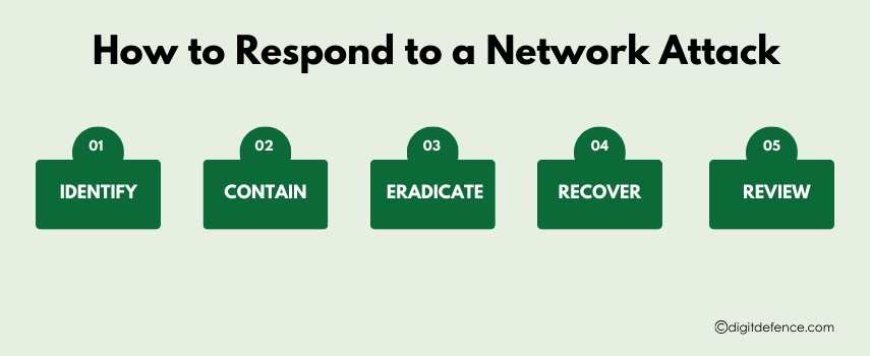
Despite the best defenses, no system is completely immune to network attacks. Having a clear incident response plan is crucial to minimize damage.
-
Identify: Quickly detect the breach and understand its scope.
-
Contain: Isolate affected systems to prevent further spread.
-
Eradicate: Remove malware or unauthorized access points.
-
Recover: Restore data from backups and resume normal operations.
-
Review: Analyze the incident to improve defenses and prevent future attacks.
You must proactively defend your business from network attacks from all levels or sources, with multiple layers of security. Firewalls, MFA, employee training, and data encryption are indeed critical defenses. As cyber threats continue to rise and the costs of breaches can be staggering, protecting your network is the best investment you can make for your business sustainability and your clients' trust.
By implementing these strategies and maintaining vigilance, your business can stay resilient in the face of cyber threats. Stay resilient against cyber threats! For expert help in preventing and responding to attacks, contact us at [email protected] today.