
How Network Penetration Testing Improves Data Protection
Find hidden threats! See how network penetration testing improves data security and helps you stay ahead of cyberattacks. Start protecting now!

As a cybersecurity professional, I've personally experienced how essential it is to stay one step ahead of potential threats. Networks are constantly evolving, and so are the tactics of cybercriminals. This is where network penetration testing becomes invaluable. By simulating a real-world attack, I can identify vulnerabilities before malicious actors have the chance to exploit them, allowing me to strengthen my defenses and protect sensitive data.
Through penetration testing, I gain more than just a list of potential risks; I uncover key areas where my security measures need to be strengthened. It's like hiring a skilled hacker to help defend your network. The insights I gather from each test allow me to implement a more effective, proactive security strategy, ensuring that my data remains secure in an increasingly complex cyber environment.
What is Network Penetration Testing?
Network penetration testing, often called pen testing, is a simulated cyberattack conducted on a network to evaluate its security. The objective is to identify weaknesses, such as misconfigured systems, outdated software, or weak credentials, that attackers could exploit. By adopting the mindset of a malicious hacker, penetration testers uncover potential vulnerabilities, providing actionable insights to bolster network defenses.
This method not only helps in identifying existing security gaps but also assesses the effectiveness of an organization's incident response mechanisms. Ultimately, network penetration testing ensures that security measures are robust and capable of withstanding real-world cyber threats.
Why is Data Protection Crucial?
Data is one of the most valuable assets for organizations today. From customer information and financial records to intellectual property, data breaches can lead to severe financial, reputational, and legal consequences. Recent high-profile cyberattacks highlight the urgency of robust data protection strategies.
Some key reasons data protection is essential include:
-
Regulatory Compliance: Laws like GDPR, HIPAA, and CCPA mandate strict data protection measures. Non-compliance can result in hefty fines.
-
Preservation of Reputation: Data breaches can erode customer trust and damage an organization’s reputation.
-
Operational Continuity: Cyberattacks disrupt business operations, leading to downtime and financial losses.
The Role of Network Penetration Testing in Data Protection
Network penetration testing plays a critical role in bolstering data protection through the following mechanisms:
1. Identifying Vulnerabilities Before Hackers Do
Penetration testing proactively identifies vulnerabilities that could be exploited by attackers. From unpatched software to weak authentication protocols, these gaps are flagged, enabling organizations to address them before they lead to a breach.
2. Enhancing Incident Response Plans
Penetration tests often simulate real-world attack scenarios, helping organizations assess their incident response capabilities. By identifying flaws in detection and response mechanisms, organizations can refine their processes to minimize damage in the event of a real attack.
3. Ensuring Compliance with Security Standards
Many regulatory frameworks require periodic security assessments, including penetration tests. By conducting network penetration testing, organizations demonstrate their commitment to data protection and regulatory compliance.
4. Building Trust with Stakeholders
Regular penetration testing assures customers, partners, and stakeholders that the organization prioritizes security and takes proactive steps to protect sensitive data.
5. Preventing Financial Loss
Data breaches can lead to significant financial losses due to fines, legal fees, and operational disruptions. Penetration testing mitigates this risk by fortifying security measures and preventing breaches.
The Methodology of Network Penetration Testing
The process of network penetration testing is methodical and systematic, ensuring a comprehensive evaluation of network security. Below are the key stages involved:
1. Planning and Reconnaissance
-
Define the scope and objectives of the penetration test.
-
Gather information about the network, systems, and potential entry points.
2. Scanning
-
Use tools to identify live hosts, open ports, and active services.
-
Perform vulnerability scanning to pinpoint potential weaknesses.
3. Exploitation
-
Attempt to exploit identified vulnerabilities to gain unauthorized access.
-
Simulate real-world attack techniques to evaluate the effectiveness of existing defenses.
4. Post-Exploitation
-
Assess the level of access gained and the potential impact of an attack.
-
Identify sensitive data that could be compromised.
5. Reporting
-
Provide a detailed report outlining findings, including vulnerabilities, potential impacts, and recommendations for mitigation.
Key Benefits of Network Penetration Testing
1. Comprehensive Security Assessment
Network penetration testing provides a holistic view of an organization’s security posture, enabling IT teams to address gaps systematically.
2. Improved Risk Management
By identifying and prioritizing vulnerabilities based on their severity, organizations can allocate resources effectively to address critical risks.
3. Strengthened Cybersecurity Defenses
The insights gained from penetration testing help organizations implement targeted security improvements, such as stronger authentication protocols, firewall configurations, and employee training.
4. Enhanced Employee Awareness
Penetration testing often includes social engineering tactics, highlighting the importance of employee vigilance against phishing and other cyber threats.
5. Cost Savings
Investing in penetration testing is significantly less expensive than dealing with the aftermath of a data breach, including fines, legal fees, and reputational damage.
Choosing the Right Partner for Network Penetration Testing
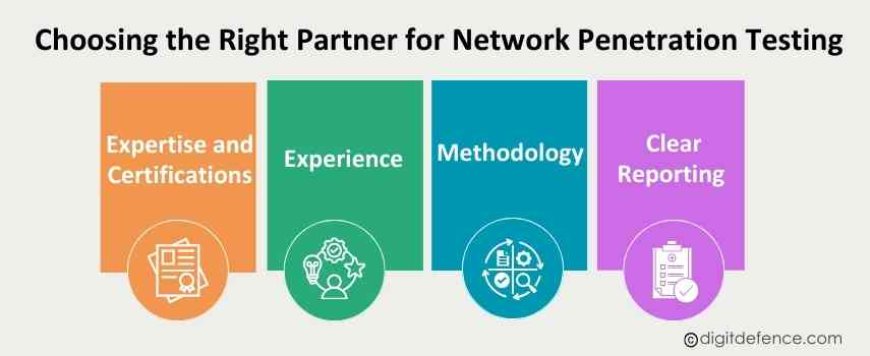
Selecting a qualified penetration testing provider is crucial for obtaining accurate and actionable insights. When choosing a partner, consider the following:
-
Expertise and Certifications Look for testers with certifications like CEH, OSCP, or CISSP, which demonstrate their proficiency in ethical hacking and cybersecurity.
-
Experience Choose providers with experience in your industry, as they understand unique challenges and compliance requirements.
-
Methodology Ensure the provider follows a comprehensive and standardized methodology, such as OWASP or PTES.
-
Clear Reporting Opt for a provider that delivers clear, detailed reports with actionable recommendations.
Best Practices for Maximizing the Impact of Network Penetration Testing
To derive maximum value from network penetration testing, organizations should:
-
Conduct Regular Tests Perform penetration tests at least annually or after significant changes to the network.
-
Integrate Testing into Security Strategy Use penetration testing as part of a broader cybersecurity strategy, including continuous monitoring and employee training.
-
Act on Findings Promptly Address identified vulnerabilities swiftly to minimize exposure to risks.
-
Test Beyond Compliance While compliance is important, prioritize security improvements over merely ticking regulatory checkboxes.
Case Study 1: Large Global Bank
-
Overview: A leading global bank faced a backlog of critical vulnerabilities that could expose sensitive customer data.
-
Implementation: The bank partnered with IBM's X-Force Red team for comprehensive network penetration testing to identify and address these vulnerabilities.
-
Outcome: Within four months, the bank achieved a 60% reduction in critical vulnerabilities and a 45% decrease in total vulnerabilities, significantly improving data protection and reducing potential threats.
For more information, Source link here: LINK
Case Study 2: Oracle's SaaS Cloud Security
-
Overview: Oracle, a major cloud service provider, conducts regular penetration testing to secure its Software-as-a-Service (SaaS) platforms.
-
Implementation: Oracle uses both internal and external penetration testing to identify potential security weaknesses in its cloud infrastructure.
-
Outcome: These proactive measures help Oracle mitigate vulnerabilities and ensure robust data protection for its SaaS clients.
For more information, Source link here: LINK
In an era where cyber threats are escalating, network penetration testing is an indispensable component of robust data protection strategies. By proactively identifying and addressing vulnerabilities, organizations can safeguard sensitive information, comply with regulatory standards, and build trust with stakeholders. Regular penetration testing, coupled with a comprehensive security framework, ensures that your organization stays one step ahead of malicious actors, preserving both your data and reputation.