The Importance of Cybersecurity Fundamentals for Business
Protect your business from cyber threats by mastering cybersecurity fundamentals. Secure your data, build trust, and ensure business continuity today!

Are you confident that your business is protected from the rising wave of cyber threats?
Are you aware of the best cybersecurity practices that can help protect your company's private information? As cyberattacks continue to grow in sophistication, companies of all sizes must adopt cybersecurity basics to protect their digital assets and continue to establish trust with customers.
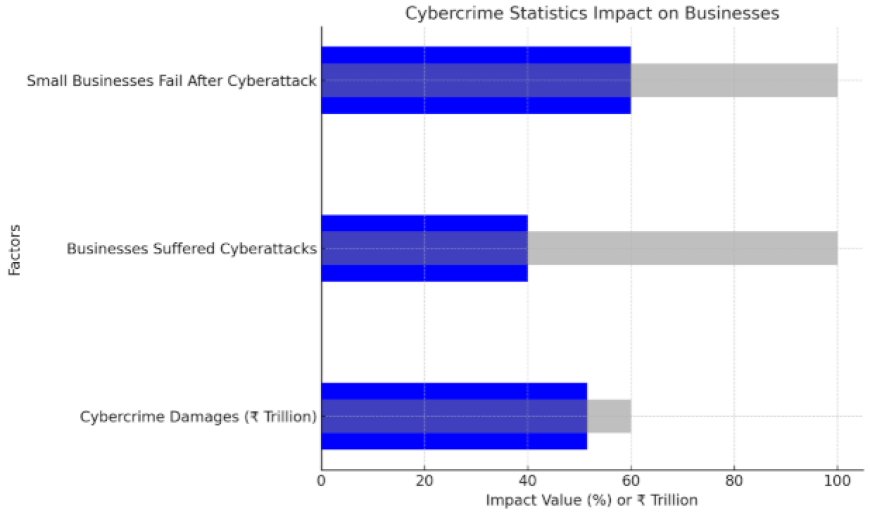
Global damages from cybercrime will total ₹51.57 trillion by 2025, according to the Cybersecurity Ventures report, projected to have a 15% growth rate year-on-year. In addition, a Global State of Information Security Survey in 2019 indicated 40% of businesses suffered a cyberattack the previous year. Another worrying statistic is that 60% of small businesses do not survive a cyberattack lasting longer than 6 months. All of these numbers highlight the growing threat of cybercrime overwhelming our lives and the need for businesses to take immediate action on cybersecurity, beginning with knowing and implementing cybersecurity fundamentals.
Marriott International, a global hospitality powerhouse, was the victim of one of the largest data breaches in history, exposing the personal information of more than 500 million customers. The breach originated in the booking system of a company they had purchased years earlier, Starwood Hotels. The information that was compromised included sensitive data such as passport numbers, email addresses, and travel itineraries, which the attackers had access to for several years before detection.
The primary challenge Marriott faced was inadequate cybersecurity measures, especially in the integration process of Starwood Hotels’ legacy systems with Marriott’s infrastructure. This left vulnerabilities in the system that hackers exploited. Additionally, the breach had been ongoing for years before detection, making it difficult to assess the full extent of the damage.
To address these challenges, Marriott prioritized cybersecurity fundamentals. The company improved its data encryption, implemented advanced firewalls, and upgraded its intrusion prevention systems to block unauthorized access. Marriott also revamped its access control protocols, introducing multi-factor authentication (MFA) for added security. Furthermore, Marriott established a continuous monitoring system and strengthened its incident response plan to detect and mitigate any future threats quickly.
What Are Cybersecurity Fundamentals?
Fundamentals of cybersecurity are the best practices and principles that organizations should use to safeguard themselves and their systems, networks, and data from cyber threats. Cybersecurity fundamentals consist of a variety of strategies, tools, and methods to provide security across the digital infrastructure. Companies can create a secure ecosystem by focusing on cybersecurity fundamentals to reduce the risk and exposure to vulnerabilities, secure sensitive information, and minimize the risk of disruption to critical processes and services.
The key elements of cybersecurity fundamentals include:
-
Risk Management: Identifying and mitigating potential risks to your systems and data.
-
Access Control: Ensuring that only authorized users can access your systems and data.
-
Encryption: Protecting sensitive information by converting it into unreadable formats that can only be accessed by authorized parties.
-
Firewalls: Prevent unauthorized access to your network and filter malicious traffic.
-
Intrusion Detection Systems (IDS): Monitoring and responding to suspicious activities on your network.
-
Incident Response and Recovery: Having a plan in place to respond to and recover from a cyberattack.
Why Cybersecurity Fundamentals Are Essential for Your Business
In an increasingly digital world, businesses confront a growing number of cyber threats, including data breaches, ransomware, phishing, and more.
1. Protecting Sensitive Data
Businesses store vast amounts of sensitive information, including customer data, financial records, intellectual property, and more. Cyberattacks targeting this data can lead to theft, manipulation, or exposure of confidential information. Cybersecurity fundamentals like encryption, secure access control, and regular security audits help ensure that this sensitive data remains protected and is not exposed to unauthorized parties.
How It Helps:
-
Protects customer trust by securing sensitive data.
-
Prevents financial losses and reputational damage from data breaches.
-
Ensures compliance with data protection regulations like GDPR, HIPAA, and PCI-DSS.
2. Reducing Vulnerabilities
Cybercriminals are constantly searching for vulnerabilities in systems to exploit. Regularly applying cybersecurity fundamentals, such as performing vulnerability assessments, patching security gaps, and using firewalls, can significantly reduce the risk of an attack. Additionally, educating employees about the risks of phishing and other social engineering tactics is crucial for reducing human errors that could compromise security.
How It Helps:
-
Identifies and mitigates security gaps before they can be exploited.
-
Reduces the likelihood of successful cyberattacks targeting your business.
-
Improves the overall security posture of your organization.
3. Ensuring Business Continuity
Cyberattacks can cause significant disruptions to business operations, leading to downtime, loss of data, and the inability to deliver services. Cybersecurity fundamentals ensure that businesses have robust incident response plans and disaster recovery measures in place. This allows businesses to quickly recover from cyber incidents and continue operating with minimal disruption.
How It Helps:
-
Minimizes downtime and operational disruptions in the event of an attack.
-
Allows businesses to recover quickly by having a well-defined incident response plan.
-
Ensures that critical systems and data can be restored through effective backup and recovery procedures.
4. Building Customer Trust and Confidence
In an increasingly connected world, customers are becoming more aware of the risks associated with sharing their data online. Businesses that prioritize cybersecurity by implementing cybersecurity fundamentals signal to customers that their data is safe and that the company is committed to protecting their privacy. This fosters customer loyalty and enhances the company’s reputation.
How It Helps:
-
Builds trust and loyalty by demonstrating a commitment to data security.
-
Enhances brand reputation by ensuring customers that their data is safe.
-
Increases customer satisfaction by providing a secure online experience.
How to Implement Cybersecurity Fundamentals in Your Business
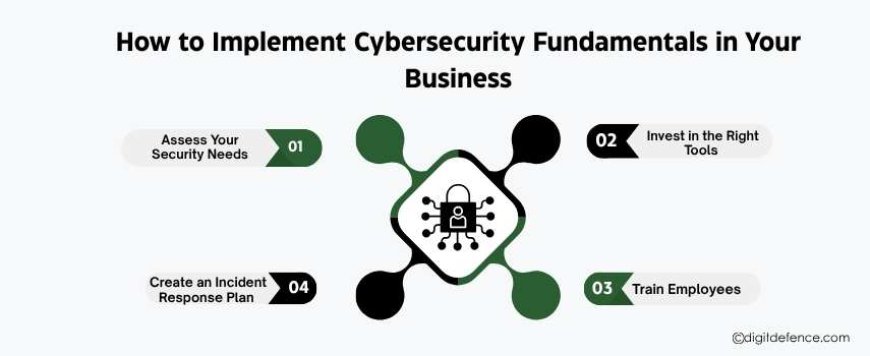
1. Assess Your Security Needs
Every business has unique security needs based on its size, industry, and the type of data it handles. Start by conducting a thorough security audit to identify your vulnerabilities and determine what cybersecurity fundamentals are necessary for your organization.
2. Invest in the Right Tools
Implement the necessary cybersecurity tools, such as firewalls, encryption software, and intrusion detection systems, to secure your network. Invest in regular updates and patching to address known vulnerabilities.
3. Train Employees
Human error is often the weakest link in cybersecurity. Educate your employees about the basics of cybersecurity fundamentals, including identifying phishing emails, creating strong passwords, and following secure practices for accessing company data.
4. Create an Incident Response Plan
Prepare for potential cyberattacks by developing a detailed incident response plan. This plan should outline the steps to take during and after an attack to minimize damage and recover quickly.
Cybersecurity basics are important for any business, big or small, in today's digital world. The investment in the right tools, training employees, and implementing best practices will allow businesses to protect sensitive data, mitigate risks and vulnerabilities, ensure continuity of operations, and build customer trust. Don't wait to be impacted by a cyberattack; seek to proactively protect your business today for the future.
Are you ready to enhance your cybersecurity strategy? Reach out to us at [email protected] to start securing your business today!