How Cyber Security Services Companies Protect Data
Discover how cyber security services companies safeguard data through advanced techniques, risk assessments, and proactive threat management.
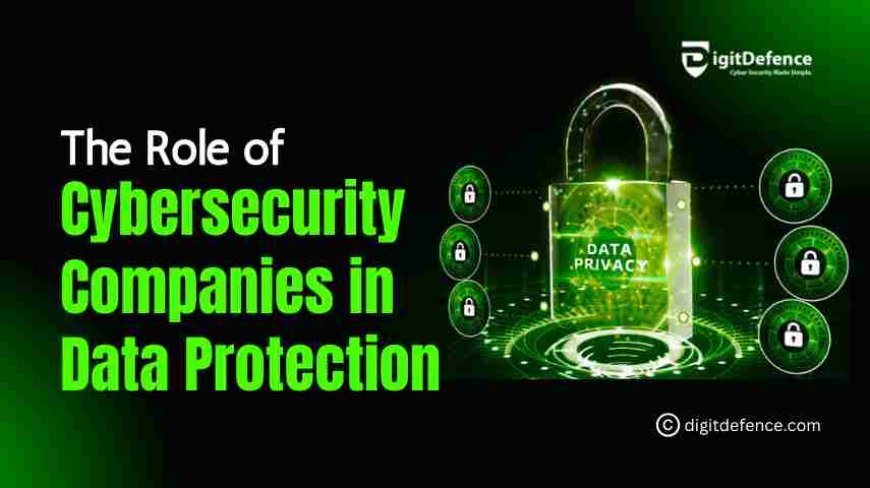
As a cybersecurity expert, my primary focus is safeguarding sensitive information from increasingly advanced threats. In the current digital environment, data breaches, cyberattacks, and identity theft are constant concerns for businesses and individuals alike. My team and I deploy a multi-layered security approach to protect data effectively, combining proactive measures like firewalls, encryption, and intrusion detection systems with responsive strategies such as continuous monitoring and real-time threat analysis. We understand that data security is not a one-size-fits-all solution, which is why we tailor our services to meet each client's unique needs, ensuring they are equipped to prevent, detect, and respond to potential cyber threats.
Cybersecurity is an ongoing process, and my work extends beyond just defending against attacks. We focus on building a culture of security awareness within organizations, educating employees about best practices, and staying ahead of emerging threats through constant research and updates. Whether it's securing personal data, financial information, or intellectual property, my goal is to create a robust defense system that keeps our clients' critical data safe and their operations running smoothly. With cybercrime on the rise, the importance of comprehensive, adaptable security services has never been greater.
What Are Cybersecurity Services?
Cybersecurity services encompass a range of activities and strategies designed to protect computer systems, networks, and data from cyber threats. These services include threat assessment, risk management, data encryption, network security, and incident response. Cybersecurity companies typically work with businesses of all sizes to build secure infrastructures and implement protocols to prevent cyberattacks, ensuring that any data accessed, stored, or transmitted remains secure.
Why Is Data Protection So Important?
Data protection is vital because sensitive information ranging from personal details and financial records to intellectual property can be a prime target for cybercriminals. If exposed, this information can lead to identity theft, financial loss, legal liabilities, and reputational damage. With the increasing sophistication of cyberattacks, including ransomware, phishing, and insider threats, organizations must adopt robust security measures to prevent breaches and ensure compliance with data protection regulations like GDPR, HIPAA, and CCPA.
Core Methods Cybersecurity Companies Use to Protect Data
1. Encryption: The First Line of Defense
One of the most important methods cybersecurity companies use to protect data is encryption. Encryption converts data into a scrambled form that can only be decrypted by those with the proper keys or credentials. This ensures that even if data is intercepted during transmission or accessed by unauthorized parties, it remains unreadable and unusable.
There are several types of encryption used to safeguard data:
-
End-to-end encryption (E2EE): Often used in messaging apps, this ensures that only the sender and receiver can read the messages.
-
Data-at-rest encryption: Protects data stored on servers or devices, ensuring that even if the storage media is stolen, the data remains secure.
-
Data-in-transit encryption: Secures data while being transmitted over networks (e.g., HTTPS or VPNs).
2. Firewalls: Blocking Unauthorized Access
A firewall acts as a barrier between a trusted internal network and untrusted external networks, such as the Internet. Cybersecurity firms deploy firewalls to monitor and filter incoming and outgoing traffic. This prevents unauthorized users or malicious software from gaining access to sensitive data and systems.
There are two primary types of firewalls:
-
Network firewalls: Protect entire networks by monitoring traffic at the network level.
-
Host-based firewalls: Installed on individual devices to protect them from specific threats.
3. Multi-Factor Authentication (MFA): Strengthening Access Controls
Multi-factor authentication (MFA) adds an extra layer of security by requiring users to verify their identity through multiple forms of authentication. This typically involves something the user knows (a password), something they have (a mobile device or token), and something they are (biometric data like fingerprints or facial recognition). Even if a hacker obtains a user’s password, MFA significantly reduces the risk of unauthorized access to sensitive data.

4. Regular Security Audits and Penetration Testing
Cybersecurity services companies perform security audits and penetration testing to identify vulnerabilities within a system or network. These assessments simulate real-world cyberattacks to pinpoint weaknesses and recommend improvements. Regular audits help ensure that cybersecurity protocols are up-to-date and compliant with industry standards.
Penetration testing, also known as ethical hacking, allows security experts to mimic cybercriminals attempting to breach the system. The goal is to uncover security flaws before actual attackers can exploit them.
5. Data Backups: Mitigating the Impact of Data Loss
Cybersecurity services companies emphasize the importance of regular data backups as part of their overall data protection strategy. In the event of a cyberattack, such as a ransomware incident, having secure backups of important data ensures that businesses can quickly recover without paying the ransom or losing vital information.
Cloud-based backups, often part of a comprehensive disaster recovery plan, provide additional security by ensuring that data is stored in multiple locations, reducing the risk of loss due to local hardware failure.
6. Endpoint Security: Protecting Devices Across the Network
In an age where employees use multiple devices ranging from laptops and smartphones to IoT devices—endpoint security is more important than ever. Cybersecurity services focus on securing all devices that connect to the network, preventing malware from spreading through these endpoints.
Advanced endpoint security solutions often include antivirus software, anti-malware, and intrusion detection systems (IDS) to monitor, detect, and block malicious activity at the device level.
The Role of Cybersecurity Services in Regulatory Compliance
1. Protecting Sensitive Data
Regulatory compliance frameworks like GDPR (General Data Protection Regulation), HIPAA (Health Insurance Portability and Accountability Act), and PCI DSS (Payment Card Industry Data Security Standard) often mandate stringent requirements for safeguarding sensitive data. Cybersecurity services are vital for ensuring that organizations:
-
Implement data encryption: Both at rest and in transit.
-
Deploy access controls: To limit data access to authorized individuals only.
-
Use secure authentication methods: To prevent unauthorized access.
-
Conduct regular audits and monitoring: To identify vulnerabilities or unauthorized activities.
By ensuring the confidentiality, integrity, and availability of sensitive data, cybersecurity services help organizations align with data protection laws.
2. Threat Detection and Incident Response
Regulations such as GDPR and CMMC (Cybersecurity Maturity Model Certification) require companies to have robust measures in place for detecting and responding to cyber threats. Cybersecurity services often include:
-
Real-time threat detection: Using tools like SIEM (Security Information and Event Management) systems, IDS/IPS (Intrusion Detection/Prevention Systems), and threat intelligence feeds to detect and respond to potential threats quickly.
-
Incident response plans: Ensuring that organizations can rapidly address and mitigate data breaches or cyberattacks to minimize damage, report incidents to authorities, and comply with legal notification requirements.
-
Forensic analysis: After an incident, cybersecurity services help in conducting thorough investigations to determine how the breach occurred and what data was affected.
Regulatory frameworks often require organizations to report breaches within a specified time frame, and having a proactive cybersecurity service in place enables timely and accurate reporting.
3. Data Retention and Logging
Many regulatory frameworks impose strict data retention policies. For example, HIPAA requires healthcare organizations to maintain records for a minimum period, and PCI DSS demands transaction logs to be retained for a certain time frame. Cybersecurity services support these requirements by:
-
Implementing data retention policies: Ensuring data is stored in a way that meets regulatory standards while protecting it from unauthorized access.
-
Log management: Collecting, storing, and protecting logs for auditing and reporting purposes. Proper logging is critical for demonstrating compliance and conducting post-incident investigations.
4. Risk Assessment and Management
Regulations often require organizations to perform regular risk assessments to identify vulnerabilities, evaluate threats, and implement corrective measures. Cybersecurity services help in:
-
Identifying risks: Through vulnerability scans, penetration testing, and risk assessments, cybersecurity providers identify security gaps.
-
Risk mitigation: Once vulnerabilities are identified, cybersecurity services support remediation efforts to strengthen defenses, ensuring organizations meet regulatory expectations for managing risk.
-
Security frameworks alignment: Cybersecurity services can help align an organization’s security posture with relevant frameworks like NIST (National Institute of Standards and Technology) or ISO/IEC 27001, which are often referenced in regulatory requirements.
5. Compliance Audits and Reporting
Cybersecurity services help organizations prepare for and undergo compliance audits. Whether it's for ISO certifications, SOC 2 reports, or industry-specific regulatory audits, cybersecurity firms assist in:
-
Preparing documentation: ensuring that security policies, risk management strategies, and other documents are aligned with compliance requirements.
-
Third-party assessments: Some cybersecurity providers offer audit services or help organizations prepare for third-party evaluations.
-
Ongoing monitoring: ensuring continuous compliance through automated monitoring of security controls, vulnerabilities, and best practices.
Case Study 1: Apple – Securing Personal Data
Overview: Apple is known for its devices like iPhones and services such as iCloud. With millions of users, Apple handles a lot of sensitive personal data, making it a target for cyberattacks. To protect this data, Apple focuses heavily on security and privacy.
Implementation: Apple uses end-to-end encryption to protect user data, ensuring that only the intended recipient can access it. For example, messages on iMessage are encrypted so that even Apple cannot read them. Apple also uses two-factor authentication (2FA) to secure user accounts and regularly updates its software to fix vulnerabilities. Additionally, Apple follows a zero-trust model, where each device and user must be verified before accessing services.
Outcome: Apple’s strong security measures, like end-to-end encryption and Zero Trust, have helped protect user data from unauthorized access. This has built consumer trust and made Apple one of the most secure technology ecosystems in the world.
Case Study 2: Google – Protecting Cloud and User Data
Overview: Google manages vast amounts of data through services like Gmail, Google Drive, and Google Cloud. With so much data to protect, Google faces constant cybersecurity threats. To secure this information, Google has implemented advanced security technologies.
Implementation: Google uses multi-layered encryption to protect data both in transit and at rest. It also employs machine learning (ML) to detect unusual behavior that could signal a security threat. Google applies a Zero Trust model, meaning every user and device is continuously verified before accessing sensitive data. Additionally, Google encourages users to use two-factor authentication (2FA) for extra protection.
Outcome: By using multi-layered encryption and machine learning (ML) for threat detection, Google has strengthened its ability to protect data. This has made Google Cloud a secure platform for businesses, and Google’s services remain trusted by millions of users around the world.
In a world where cyber threats are becoming increasingly sophisticated, businesses can no longer afford to take a passive approach to data protection. By partnering with cybersecurity services companies, organizations can bolster their defenses against cyberattacks and ensure that their valuable data remains secure. Through a combination of encryption, firewalls, MFA, regular testing, endpoint security, and employee training, cybersecurity companies provide the comprehensive protection needed to stay one step ahead of malicious actors.