
How to Start Security Compliance in Business?
Worried about compliance risks? Discover simple steps to start security compliance in your business and protect your data from costly breaches today!

Are you worried about keeping your business data safe and following security rules? Many businesses struggle to know how to start security compliance the right way. The good news is, you can take simple steps to protect your company and meet important security standards. With the right approach, your business can stay secure and build trust with customers.
Studies suggest that businesses with strong security compliance reduce the risk of data breaches by up to 70% and build greater trust with their customers.
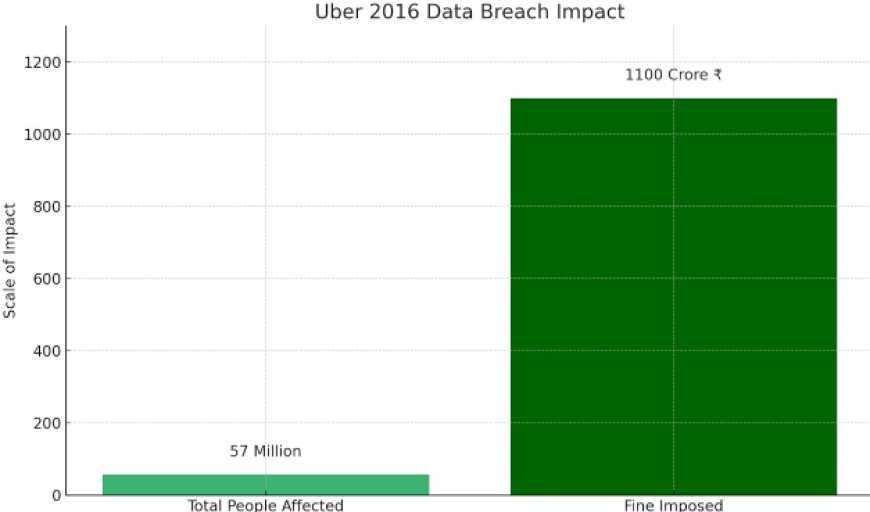
Uber, a major transport service, handles a lot of personal data. Following security compliance is key to keeping this data safe.
Hackers stole data from 57 million users and drivers. Uber paid them to stay quiet instead of reporting the breach, breaking the law. This led to lawsuits and a fine of about ₹1,100 crore.
What Security Compliance Means for Your Business
It means following standards like GDPR, PCI DSS, or ISO 27001 to protect sensitive data. It reduces the risk of breaches, builds customer trust, and helps avoid fines. Compliance also creates a safer environment and enables faster responses to threats. Businesses that prioritize compliance are better prepared to protect important information.
Why You Should Begin Security Compliance Now
It helps you avoid costly fines, reduce the risk of data leaks, and build stronger trust with your customers. It is closely linked to IT compliance and cloud compliance, making it essential for protecting all parts of your business. Starting it early helps future-proof your operations, keeps your data safe, and supports steady, long-term growth. By following these rules, you also improve your ability to respond quickly to security threats and maintain a good reputation in your industry.
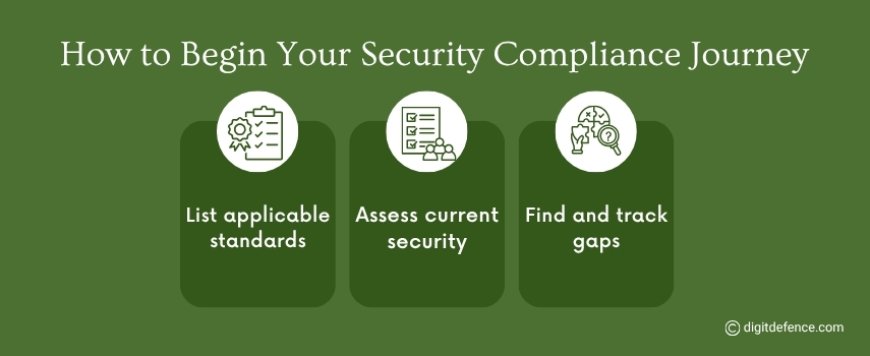
How to Begin Your Security Compliance Journey
-
List applicable standards – Identify which rules apply to your business: GDPR, PCI DSS, ISO 27001, or others.
-
Assess current security – Use a compliance audit checklist to compare where you stand with backups, password rules, access control, and network protection.
-
Find and track gaps – Note any missing items and rank them by risk.
How to Formulate a Security Governance Plan
-
Assign Clear Tasks: Make sure every team member knows their responsibilities in the compliance process.
-
Improve Encryption: Update or strengthen encryption methods to protect data security.
-
Add Multi-Factor Authentication: Use multi-factor authentication to add an extra layer of security for user access.
-
Update Privacy Documents: Regularly review and revise privacy policies and other related documents.
-
Record Every Change: Keep a detailed log of all updates and changes made to your security systems.
-
Keep Proof for Audits: Maintain evidence of your compliance efforts to support audit requirements.
How to Maintain Security Compliance Over Time
-
Regular Audits: Perform internal or external audits regularly to identify security gaps and ensure ongoing compliance with policies and regulations. These reviews help catch issues early before they become bigger risks.
-
Use Compliance Checklists: Follow detailed compliance checklists to systematically verify all security controls and processes. This makes spotting and fixing gaps easier and more efficient.
-
Fix Issues Fast: Address any security or compliance issues immediately after discovery to minimize exposure and reduce risk. Quick remediation helps maintain trust and prevents escalation.
-
Keep Detailed Logs: Maintain thorough logs of all security actions, changes, and incidents to provide a clear audit trail. These records support accountability and simplify future investigations.
-
Repeat Checks: Conduct audits, reviews, and fixes regularly, monthly, or quarterly to adapt to new data breaches and changes, ensuring continuous support
How to Use Tools for Protecting Sensitive Data
-
Use Reporting Tools: Track and analyze security events to maintain visibility and support quick action.
-
Monitor Threats in Real Time: Employ SIEM platforms to detect and respond to threats immediately.
-
Automate Audits: Use cloud compliance tools to streamline audits and reduce manual effort.
-
Keep Records: Document all changes and security events for accountability and easy review.
-
Set Alerts: Configure alerts to catch security issues early and enable fast response.
-
Update Tools Regularly: Keep security tools updated to protect against the latest threats.
Common Mistakes to Avoid
-
Treating it as a one-time task instead of an ongoing
-
Not keeping proper logs of changes or updates
-
Skipping regular staff training on security
-
Relying only on technology without human checks
-
Ignoring small risks that can become bigger problems
-
Not updating software and systems regularly
Security Compliance starts by knowing which rules apply, using a compliance audit checklist to find gaps, and planning fixes. Training your team, running regular reviews, and keeping clear records will help you meet standards like GDPR compliance, PCI DSS compliance, ISO 27001 compliance, and more. This ongoing effort builds a safer, trusted business foundation.
Need to secure your business systems? Want to protect your customer data and avoid cyber risks?
Visit https://digitdefence.com or email us at [email protected] to get started.
Stay secure, choose Digitdefence.