The Ultimate Guide to Cloud Server Security Stay Ahead of Hackers
Learn key strategies to enhance cloud server security, protect data, and stay ahead of cyber threats and hacking attempts.

As a cybersecurity professional, I’ve seen how crucial safeguarding cloud servers is for businesses of all sizes. Because cloud computing offers efficiency and scalability, it has completely changed the way we store and handle data. But in the absence of strong security controls, companies expose their data to ransomware, hacking, and other online dangers. According to my observations, a lot of companies don't realize how important cloud infrastructure security is until a costly incident happens. You can keep ahead of hackers and guarantee the security of your data by putting strong security measures in place.
The truth is that cloud server security is complex, frequently containing several interconnected apps, systems, and APIs that need to be protected against ever-changing threats. Since cloud infrastructure can always be viewed online, security flaws can be taken advantage of by hackers anywhere in the world. Businesses leave themselves open to attacks that might compromise their entire operation if they do not take a proactive approach to security.
Understanding the Importance of Cloud Server Security
Securing cloud security is now essential in the current digital environment it is no longer optional. As more companies go to operating in the cloud, security has taken importance. Because cloud servers may be accessed over the internet, criminals find them to be quite appealing. These servers become exposed to ransomware, data breaches, and distributed loss of Service (DDoS) assaults in the absence of sufficient security measures.
A strong security strategy not only safeguards your data but also ensures your business's continuity. A security breach can lead to significant downtime, financial losses, and even legal consequences if sensitive data is exposed. That’s why implementing a comprehensive approach is essential for covering all potential vulnerabilities in your cloud infrastructure.
Key Threats to Cloud Server Security
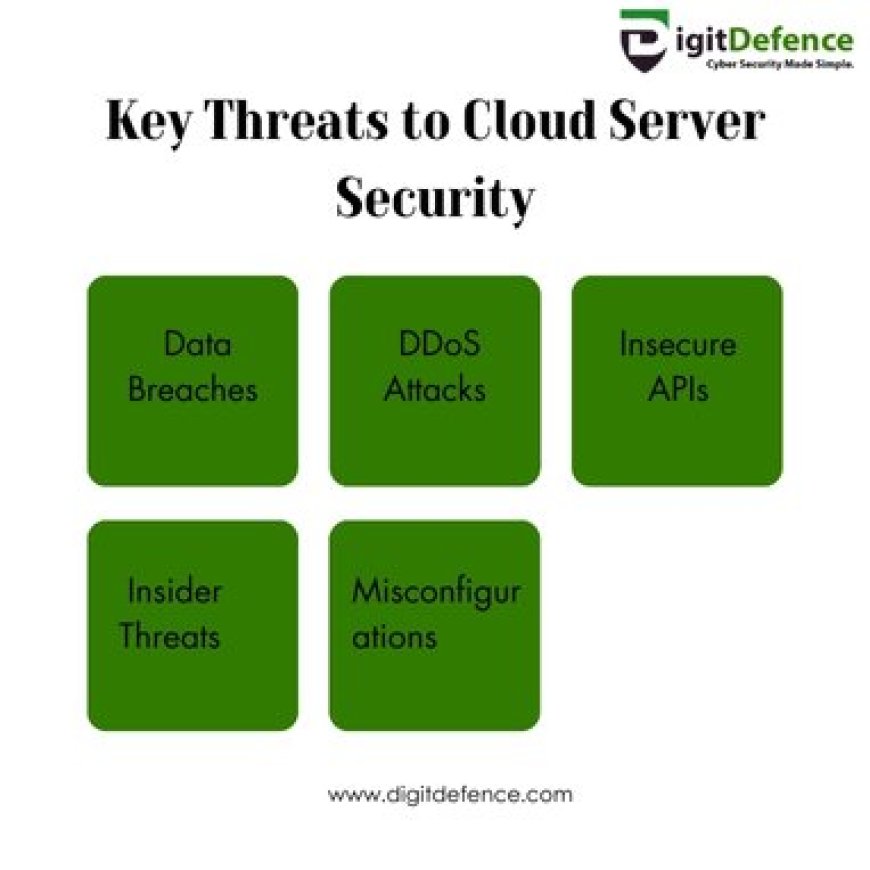
Before we dive into strengthening your defenses, it’s crucial to understand the common threats cloud servers face.
1. Data Breaches
Hackers often target cloud servers to steal sensitive information such as customer records and financial data. If your security measures are compromised, this data can be sold or misused, causing severe financial and reputational damage.
2. DDoS Attacks
Distributed Denial of Service (DDoS) attacks aim to overwhelm your servers with excessive traffic, causing disruptions or crashes. This can lead to lost productivity, downtime, and damage to your customer relationships.
3. Insecure APIs
APIs are critical for connecting different systems within your cloud infrastructure. However, if not properly secured, these APIs can become entry points for hackers, compromising your entire security setup.
4. Insider Threats
Employees or contractors with authorized access may unintentionally expose sensitive data or, in rare cases, intentionally misuse their privileges. Insider threats can pose significant risks, especially when access controls are weak.
5. Misconfigurations
Simple misconfigurations, such as leaving storage open to the public, are a common vulnerability. These oversights provide an easy gateway for cybercriminals to access your data.
Benefits of Cloud Server Security
Investing in strong security offers multiple benefits
1. Protection Against Cyber Threats
With effective measures, you can prevent a wide range of cyberattacks, ensuring that your sensitive data is protected from hackers and malicious actors.
2. Data Privacy and Compliance
Many industries are subject to strict privacy regulations like GDPR and HIPAA. Strong security ensures compliance with these regulations, helping you avoid legal penalties and maintain customer trust.
3. Business Continuity
A secure cloud infrastructure minimizes the risk assessment of downtime caused by attacks or system failures. With proper protections in place, your business can quickly recover from incidents, ensuring uninterrupted operations.
4. Customer Trust
Customers are more likely to trust companies that prioritize security. Demonstrating strong practices builds customer confidence and can lead to greater loyalty and retention.
5. Cost Savings
Preventing data breaches and other security incidents upfront through solid measures helps you avoid the significant financial costs associated with system recovery, legal actions, and reputational damage.
How to Strengthen Your Cloud Server Security
Here are practical steps to bolster your cloud defenses:
1. Implement Strong Access Controls
Ensure that only authorized personnel have access to sensitive data. Role-based access control (RBAC) and multi-factor authentication (MFA) are key tools for strengthening your defenses.
2. Encrypt Your Data
Encryption is essential for ensuring security. Encrypt data both at rest and in transit using strong encryption standards like AES-256, and keep encryption keys secure.
3. Monitor and Audit Activity
Continuous monitoring and regular audits of your environment are crucial. These practices allow you to detect and address suspicious activity early.
4. Secure Your APIs
Ensure that APIs are secured with proper authentication and encryption methods. Regularly test and update APIs to reduce the risk of breaches and improve security.
5. Regularly Update and Patch Systems
Outdated software is a major risk. Regularly update and patch your systems to close security gaps and protect against known vulnerabilities.
FAQs on Cloud Server Security
Here are some frequently asked questions (FAQs) to help you understand key concepts, best practices, and concerns
Q1: What is cloud server security?
It refers to the set of practices, technologies, and policies implemented to protect cloud-based servers and the data they store from unauthorized access, breaches, and other cyber threats. It involves measures such as encryption, access controls, monitoring, and regular updates to safeguard cloud infrastructure.
Q2: Why is cloud server security important?
Cloud servers store sensitive data and host critical applications, making them attractive targets for hackers. Without proper security measures, your organization risks data breaches, downtime, financial loss, and legal penalties. Strong protections ensure data protection, business continuity, and compliance with regulatory standards.
Q3: What are the common threats to cloud server security?
The most common threats include:
-
Data breaches: Unauthorized access to sensitive data stored on cloud servers.
-
DDoS attacks: Distributed Denial of Service (DDoS) attacks that overwhelm cloud servers, causing them to crash.
-
Insecure APIs: Vulnerabilities in APIs used to communicate between systems, potentially exposing cloud servers to attackers.
Q4: How can I protect my cloud servers?
A: Key strategies to protect cloud servers include:
-
Implementing strong access controls with multi-factor authentication (MFA).
-
Encrypting data at rest and in transit.
-
Continuously monitoring and auditing server activity.
Q5: How does encryption help with cloud server security?
Encryption converts data into an unreadable format, ensuring that even if attackers gain access to the data, they cannot understand or misuse it without the decryption keys. It’s crucial to encrypt both data at rest (stored data) and data in transit (data being transmitted over networks) to provide a robust layer of security.
Q6: What role does the cloud provider play in cloud server security?
Cloud providers follow a shared responsibility model, where both the provider and the customer share security responsibilities. The provider typically secures the infrastructure, including physical data centers, network architecture, and hardware. However, customers are responsible for securing data, managing user access, configuring security settings, and maintaining compliance within the cloud environment.
Cloud security is essential for any company using cloud infrastructure in the current digital environment. Since cyber dangers are always changing, taking preventative action is necessary to remain ahead of hackers. Strong access controls, data encryption, API security, and ongoing environment monitoring are all ways to improve security and protect your company from outside dangers. By following these procedures, you can make sure that your cloud infrastructure is secure and that your company can continue to run securely and effectively.