
Detect Issues Early with Web Application Testing
Catch bugs before they impact your users! Web application testing helps detect issues early, saving time and money while ensuring a seamless experience.

Are you confident that your web application is free of critical flaws? Do you know if your users are experiencing issues that could hurt your business? Web application testing is an essential step in identifying bugs, vulnerabilities, and performance issues before they affect your users.
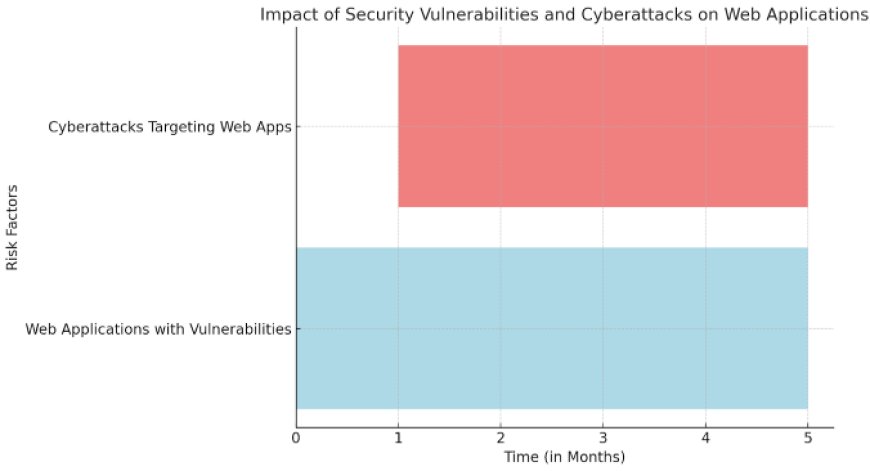
According to a recent Gartner report, 85% of web applications face security vulnerabilities, and 43% of cyberattacks target web applications. Early detection through comprehensive web application testing can save your business from costly downtime, security breaches, and damage to your brand reputation.
A prime example of the importance of web application testing can be seen in Amazon, one of the world’s largest online retailers. Amazon handles millions of transactions daily, and any issues with their web application could have devastating effects on their business.
To ensure a seamless shopping experience for their customers, Amazon conducts extensive Web App Performance Testing before releasing updates and new features. Amazon performs load testing to ensure their application can handle millions of users during peak times, such as Black Friday or Prime Day. Additionally, they conduct security testing to protect their customers’ sensitive data from breaches and unauthorized access.
Through strict and continuous testing, Amazon ensures that its website operates smoothly, providing customers with a reliable, secure, and enjoyable shopping experience. This commitment to quality testing has helped Amazon maintain its leadership in e-commerce and set an example for other businesses in the industry.
What is Web Application Testing?
Web application testing refers to the process of evaluating a web application to ensure it functions as intended, is free from defects, and provides a seamless user experience. Testing typically involves validating various aspects of the application, including functionality, security, performance, and usability. In today’s highly competitive digital landscape, even the smallest glitch can impact customer satisfaction and brand loyalty. Web applications are frequently targeted by cybercriminals, making testing a crucial element of cybersecurity.
Why Web Application Testing Is Crucial for Your Business
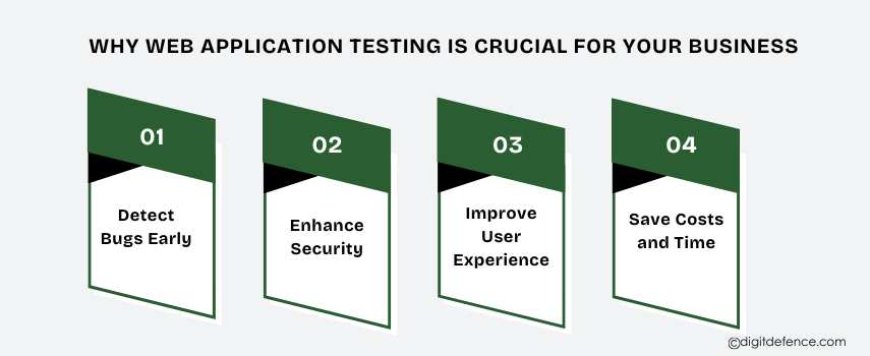
1. Detect Bugs Early
The most apparent benefit of Web App Performance Testing is identifying and fixing bugs early in the development process. By testing the application during the development phase, you can catch issues before they become expensive to fix. Whether it’s an error in code, broken functionality, or incorrect display on different devices, early detection saves time and resources in the long run.
2. Enhance Security
Web applications are a common target for cyberattacks, including SQL injections, cross-site scripting (XSS), and cross-site request forgery (CSRF). OWASP lists web application vulnerabilities as the top security risks for businesses. By conducting Web App Performance Testing, you can identify security flaws before cybercriminals exploit them. Regular security testing can include methods such as penetration testing, vulnerability scanning, and encryption verification to ensure that your app is protected from the latest threats.
3. Improve User Experience
A poor user experience (UX) can lead to high bounce rates and customer dissatisfaction. Web App Performance Testing helps ensure that your users have a seamless and enjoyable experience. It verifies that your application functions as intended on all devices and browsers and that interactive elements, such as buttons, forms, and navigation, work flawlessly. Ensuring your application’s performance under different usage conditions helps you provide a better experience to your customers, fostering brand loyalty.
4. Save Costs and Time
Fixing bugs during the later stages of development or after release can be expensive and time-consuming. By catching issues early with Web App Performance Testing, you can reduce the cost and effort involved in fixing critical problems down the line. Continuous testing and optimization also allow for faster deployment and a quicker time to market, giving your business a competitive edge.
Key Types of Web Application Testing
To maximize the benefits of web application testing, it’s essential to use a variety of testing techniques, each addressing different aspects of your application’s performance. These include:
-
Functional Testing: Ensures that all features of the application are working as expected. It checks for bugs, issues with navigation, and content display errors.
-
Security Testing: Focuses on identifying vulnerabilities such as cross-site scripting (XSS), SQL injection, and other threats. Penetration testing can also be done to identify areas where hackers could potentially exploit the application.
-
Usability Testing: Ensures that the application is easy to use and provides a positive experience for end users. This involves testing the application from the user's perspective and ensuring that it is intuitive, navigable, and error-free.
-
Performance Testing: Evaluates the app’s ability to handle varying levels of traffic and usage. Stress testing, load testing, and scalability testing all fall under this category to ensure the app can handle high-volume usage without breaking.
-
Compatibility Testing: Ensures that the web application functions correctly on different browsers, devices, and operating systems. This testing makes sure that your application is accessible to all users, regardless of the device they are using.
Best Practices for Effective Web Application Testing
To effectively implement web application testing in your business, follow these best practices:
-
Test Early and Often: Incorporate testing into your development process from the beginning. The earlier you detect issues, the less expensive and time-consuming they are to fix.
-
Automate Where Possible: Automated testing tools can speed up the testing process, reduce human error, and ensure consistent results. Use automated scripts for repetitive testing tasks like regression testing.
-
Collaborate with Developers: Developers and testers should work closely to ensure that issues are identified and resolved early. Continuous collaboration will lead to better code quality and fewer post-launch issues.
-
Test Across Different Environments: Ensure that your application is tested on different browsers, operating systems, and devices to ensure compatibility and a consistent user experience.
-
Monitor After Launch: Testing doesn’t stop after the application is launched. Continuously monitor performance, security, and user behavior to identify new issues and fix them promptly.
Web application testing is an essential practice for businesses that want to deliver high-quality, secure, and efficient applications to their users. By testing early and often, you can detect and fix issues before they cause serious problems, improve security, and enhance the user experience. Whether you're building a new web application or maintaining an existing one, comprehensive testing is key to staying competitive and ensuring the long-term success of your digital presence.
Start implementing web application testing today and protect your business from vulnerabilities, performance issues, and security breaches. Reach out to us at [email protected] for customized testing solutions tailored to your business needs.