
How Penetration Testing on Network Helps Prevent Cyber Threats
Think your network is secure? Think again. Discover how penetration testing can identify hidden vulnerabilities and prevent devastating cyber threats.


As a cybersecurity specialist, I've seen personally how significant it is to identify vulnerabilities before they can be exploited. Networks, which serve as the backbone of most organizations, are often targeted by cybercriminals looking for weaknesses to infiltrate. Many companies believe their systems are secure, but without rigorous testing, those weaknesses can remain hidden until it's too late. This is where penetration testing on the network becomes indispensable. By simulating real-world cyberattacks, penetration testing helps uncover potential risks and ensures your security measures are up to the task.
When I conduct penetration testing on a network, it's like putting on the shoes of an attacker to see how they would exploit your system. The process goes beyond simply scanning for basic flaws; it exposes hidden vulnerabilities that could otherwise be overlooked. With the increasing sophistication of cyber threats, proactive measures like penetration testing have never been more crucial. how penetration testing can protect your network from emerging cyber threats and why it’s a necessary step for any business serious about cybersecurity.
What Is Penetration Testing on a Network?
Penetration testing on a network involves simulating a cyber attack on a network system to identify vulnerabilities that could be exploited by hackers. The goal is to evaluate the security posture of the network, find weaknesses, and recommend corrective actions. During a penetration test, ethical hackers, or "pen testers," use the same tools and techniques that cybercriminals employ to exploit vulnerabilities. However, unlike malicious hackers, penetration testers are authorized to conduct these attacks in a controlled environment to uncover and address security flaws.
Penetration testing is a proactive security measure that can be performed on various types of networks, including corporate networks, cloud environments, and even wireless networks. The results from penetration testing on networks help organizations understand their security gaps and address them before they become an attractive targets for cybercriminals.
Why Is Penetration Testing on Network Important?
With the growing complexity of cyber threats and the increasing reliance on technology in business operations, traditional security measures such as firewalls, antivirus software, and intrusion detection systems may not be enough to fully protect networks from sophisticated attacks. Penetration testing on networks is an essential part of a comprehensive security strategy. Here are some key reasons why penetration testing is so important:
1. Identifying Vulnerabilities Before Attackers Do
One of the primary reasons for conducting penetration testing on the network is to identify vulnerabilities that could potentially be exploited by cybercriminals. Hackers often target weaknesses such as unpatched software, misconfigured systems, weak passwords, and open ports. Penetration testers mimic these types of attacks to uncover weaknesses and vulnerabilities in the network. By proactively identifying these issues, organizations can patch them before attackers have the opportunity to exploit them.
2. Ensuring Compliance with Industry Regulations
Many industries, such as healthcare, finance, and e-commerce, are required to comply with strict regulations like HIPAA, PCI-DSS, and GDPR. These regulations require organizations to implement robust security measures to protect sensitive data. Penetration testing on the network is an effective way to demonstrate compliance with these regulations and ensure that the organization meets the required security standards.
Penetration testing can also help organizations pass security audits and avoid hefty fines and penalties. For example, the Payment Card Industry Data Security Standard (PCI-DSS) mandates annual penetration testing for businesses that handle credit card transactions. Regular penetration testing on the network ensures that an organization is up to date with its security posture and complies with relevant standards.
3. Protecting Sensitive Data
Data breaches are a significant concern for businesses of all sizes. In many cases, cybercriminals target sensitive data, such as customer personal information, payment details, and intellectual property. A successful data breach can result in financial losses, reputational damage, and legal consequences.
By conducting penetration testing on networks, businesses can identify potential entry points for cybercriminals to access sensitive data. Whether it's an exposed database or a vulnerable application, penetration testing can pinpoint where attackers could breach the network and gain unauthorized access to critical information. Once vulnerabilities are identified, businesses can take corrective actions to strengthen their security and protect sensitive data from malicious actors.
4. Improving Incident Response
Penetration testing on the network can also play a critical role in improving an organization's incident response capabilities. During a penetration test, ethical hackers simulate an actual cyber attack and attempt to gain unauthorized access to the network. This allows the organization's security team to test their response procedures in real time.
By identifying gaps in their incident response plan, organizations can improve their ability to detect, respond to, and recover from cyber-attacks. The findings from penetration testing on networks enable organizations to refine their security protocols, improve monitoring systems, and establish better communication channels within their security teams.
5. Enhancing Network Resilience
In addition to identifying vulnerabilities, penetration testing on networks also helps organizations assess the overall resilience of their network infrastructure. By mimicking the techniques used by real-world cybercriminals, penetration testers can evaluate how well the network can withstand attacks and how quickly it can recover from potential disruptions.
A penetration test can also help uncover any bottlenecks in the system that may impede the ability to respond to attacks or recover from them. Armed with this knowledge, organizations can take proactive steps to strengthen their defenses and build a more resilient network that can effectively withstand cyber threats.
Types of Penetration Testing on Network
There are several types of penetration testing on the network that can be performed, depending on the scope and goals of the assessment. The three most common types include:
1. External Network Penetration Testing
External network penetration testing focuses on assessing the security of the external-facing network infrastructure, such as web servers, email servers, firewalls, and routers. Ethical hackers will attempt to breach the network from outside the organization’s perimeter, using publicly available information such as IP addresses and domain names.
This type of testing is essential for identifying vulnerabilities that could allow cybercriminals to gain access to the network from the outside. Examples of vulnerabilities that may be identified include open ports, weak encryption, or misconfigured firewalls.
2. Internal Network Penetration Testing
Internal network penetration testing simulates an attack originating from within the organization’s network, often by an insider threat or a compromised account. This type of test focuses on identifying vulnerabilities that could be exploited by someone with access to the internal network, such as a disgruntled employee or a hacker who has already gained access.
Internal penetration tests typically examine issues such as weak access controls, poor network segmentation, or inadequate monitoring systems. The results of this test help organizations identify risks associated with insider threats and improve internal security measures.
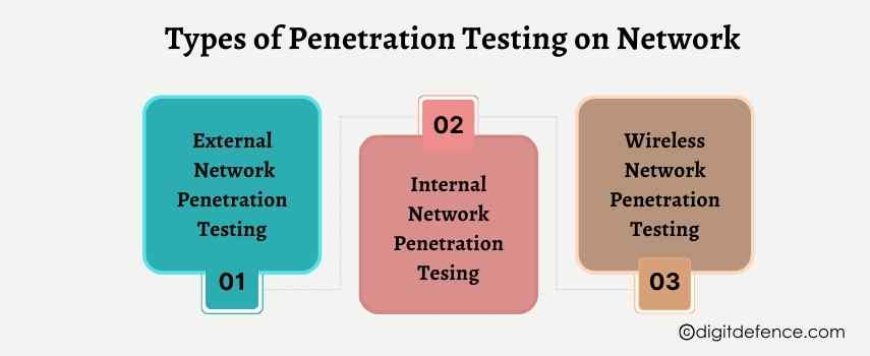
3. Wireless Network Penetration Testing
Wireless networks are often more vulnerable to attacks than wired networks due to their inherent exposure to the outside world. Penetration testing on the network can also extend to testing the security of wireless networks, including Wi-Fi and Bluetooth.
During a wireless penetration test, ethical hackers will assess the strength of encryption protocols, the security of access points, and the vulnerability of devices connected to the network. This test helps organizations identify weaknesses in their wireless infrastructure that could allow attackers to intercept communications or gain unauthorized access to the network.
Best Practices for Penetration Testing on Network
To maximize the effectiveness of penetration testing on the network, organizations should adhere to the following best practices:
-
Define Clear Objectives: Before starting a penetration test, it’s important to define clear objectives. What do you want to achieve with the test? Are you testing a specific system or the entire network? Clear goals will help ensure the test is thorough and targeted.
-
Use Skilled and Certified Penetration Testers: Penetration testing is a specialized skill, so it’s crucial to work with skilled and certified professionals. Ethical hackers should possess certifications such as CEH (Certified Ethical Hacker), OSCP (Offensive Security Certified Professional), and CISSP (Certified Information Systems Security Professional).
-
Conduct Regular Testing: Cyber threats evolve constantly, so it’s important to conduct penetration testing on the network regularly. This ensures that vulnerabilities are identified and addressed before attackers can exploit them.
-
Remediate Vulnerabilities Quickly: Once vulnerabilities are identified, it’s essential to act quickly to remediate them. Delaying patching or mitigation can leave the network exposed to cyber threats.
-
Test for Both Known and Unknown Vulnerabilities: Penetration testers should test for both known vulnerabilities (e.g., outdated software) and unknown vulnerabilities (e.g., zero-day exploits). This comprehensive approach ensures the network is well-secured against all types of threats.
Case Study 1: Microsoft – The 2019 Data Breach Incident
Overview:
In 2019, a misconfiguration in Microsoft’s Azure cloud platform exposed millions of sensitive records. This breach demonstrated the risks associated with improperly secured cloud services.
Implementation:
Penetration testing on cloud infrastructure could have detected misconfigurations before they were exploited. Simulated attacks could have tested access control and data storage protocols to find weaknesses.
Outcome:
The breach led Microsoft to enhance its security protocols and adopt more rigorous penetration testing to prevent future vulnerabilities.
Source
Case Study 2: Facebook – The Cambridge Analytica Scandal
Overview:
In 2018, Facebook allowed third-party apps to access user data improperly, affecting millions. This breach raised concerns about data security and privacy.
Implementation:
Penetration testing on data-sharing mechanisms and APIs could have prevented unauthorized access. Testing authentication systems would have strengthened data protection.
Outcome:
The scandal prompted Facebook to improve data security and implement regular penetration testing to secure user data.
Penetration testing on a network is an invaluable tool for identifying vulnerabilities, improving security posture, and preventing cyber threats. By simulating real-world attacks, organizations can uncover weaknesses in their networks before hackers have a chance to exploit them. Whether you are testing external networks, internal systems, or wireless infrastructure, regular penetration testing is crucial for safeguarding sensitive data, ensuring compliance, and enhancing incident response capabilities.