How Cybersecurity Services Protect Your Data
Learn how cybersecurity services safeguard your data from threats like malware, phishing, and unauthorized access using advanced protection strategies.

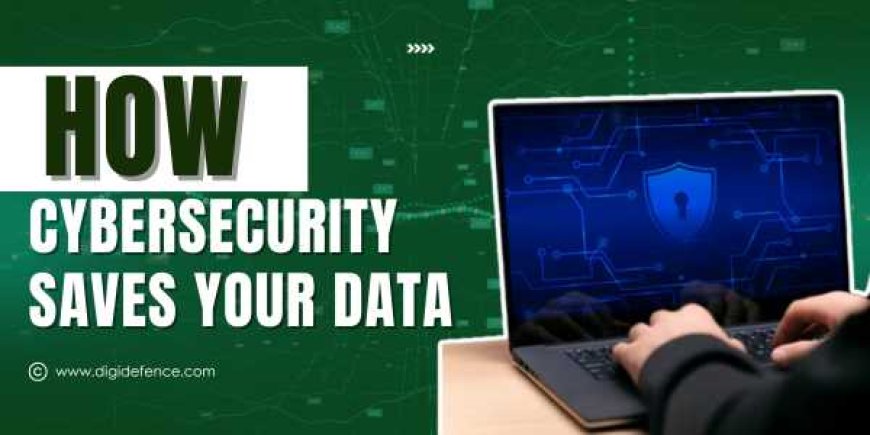
How do cybersecurity services protect your data from online threats? With the rise of digital transactions and remote work, safeguarding sensitive information has never been more critical. Businesses and individuals face constant risks from hackers, malware, and data breaches, but cybersecurity services are designed to provide a protective shield.
Cybersecurity services protect your data by implementing advanced tools and strategies, such as encryption, firewalls, and monitoring systems. They help detect threats early, prevent unauthorized access, and secure sensitive information from being compromised. Experts like Bruce Schneier emphasize the importance of proactive defenses in maintaining data integrity.
But this is just the surface of what cybersecurity services can offer. To truly understand how these services ensure the safety of your information, let's dive deeper into the mechanisms, tools, and strategies that make them essential in today's digital world.
The Importance of Cybersecurity Services
Cybersecurity is essential to both personal and corporate environments. With more transactions, communications, and data storage happening online, cybercriminals are continuously finding new ways to exploit vulnerabilities. Breaches can result in financial loss, reputational damage, legal implications, and even regulatory fines. By utilizing professional cybersecurity services, organizations can create robust defense mechanisms that detect, prevent, and mitigate threats, ensuring the safety of their valuable data.
Key Cybersecurity Threats
To fully grasp how cybersecurity services protect your data, it's important to understand the common types of cyber threats that businesses face today.
-
Malware
Malware refers to malicious software designed to damage or disrupt systems. It can take many forms, including viruses, worms, spyware, and trojans. Once malware infiltrates a system, it can corrupt files, steal data, or take control of systems entirely.
-
Phishing
Phishing attacks trick individuals into revealing sensitive information, such as usernames, passwords, or credit card details. Attackers often impersonate trustworthy entities through fake emails, websites, or messages to gain access to personal or business accounts.
-
Ransomware
Ransomware is a particularly dangerous form of malware that locks users out of their data or systems until a ransom is paid. This type of attack can cripple organizations by halting operations and causing significant financial damage.
-
Denial of Service (DoS) Attacks
Denial of Service (DoS) attacks flood a system or network with excessive traffic, rendering it unavailable to legitimate users. These attacks can disrupt services, leading to downtime, lost revenue, and damaged reputations.
Types of Cybersecurity Services
There are several categories of cybersecurity services, each designed to protect different aspects of an organization’s infrastructure. These services work together to form a comprehensive defense strategy.
-
Network Security
Network security involves safeguarding the integrity, confidentiality, and availability of network infrastructure. This includes measures like firewalls, intrusion detection systems (IDS), and virtual private networks (VPNs) to prevent unauthorized access and data breaches.
-
Application Security
Application security focuses on protecting software and apps from vulnerabilities that hackers could exploit. Security measures, such as regular updates, patch management, and secure coding practices, are vital for preventing attacks.
-
Cloud Security
As more businesses move their data and operations to the cloud, cloud security becomes essential. This service ensures that cloud environments are protected against breaches and data theft by implementing encryption, secure access, and monitoring tools.
-
Endpoint Security
Endpoint security covers devices like computers, mobile phones, and tablets that connect to a network. Solutions like antivirus software, firewalls, and device management tools ensure that these endpoints are not entry points for cybercriminals.

How Cybersecurity Services Protect Your Data
Cybersecurity services deploy a range of strategies and technologies to safeguard your data from internal and external threats. Here’s how they work to ensure your information remains secure:
-
Data Encryption
Encryption is one of the most effective ways to protect data. It converts your information into a code that only authorized parties can access. Whether data is at rest (stored) or in transit (being sent), encryption ensures that even if cybercriminals intercept the data, they won’t be able to read it without the encryption key.
-
Access Control
Access control systems are designed to restrict who can access specific information within an organization. These systems often use multi-factor authentication (MFA) and role-based access control (RBAC) to ensure that only authorized personnel can view or edit sensitive data.
-
Threat Detection and Response
Modern cybersecurity services use advanced threat detection systems to monitor networks and systems in real time. These services can identify abnormal behavior or unauthorized access attempts, allowing for immediate response to potential threats. AI and machine learning algorithms play an increasing role in identifying patterns and threats before they cause damage.
-
Incident Response Planning
A comprehensive incident response plan outlines the steps an organization should take in the event of a cyberattack. This includes identifying the threat, containing the damage, recovering systems, and communicating with stakeholders. Cybersecurity services help businesses develop, test, and refine these plans to ensure they are ready to respond quickly and effectively.
Benefits of Implementing Cybersecurity Services
Organizations that invest in cybersecurity services benefit in multiple ways:
-
Data Protection: The primary benefit is the security of sensitive data, ensuring it is safe from unauthorized access, theft, or loss.
-
Regulatory Compliance: Many industries have strict data protection regulations, such as GDPR or HIPAA. Cybersecurity services help businesses stay compliant with these laws.
-
Business Continuity: Effective cybersecurity ensures that businesses can continue operating even in the event of a cyberattack by quickly responding and recovering from incidents.
-
Reputation Management: Preventing data breaches protects an organization's reputation, as clients and customers are more likely to trust businesses that prioritize data security.
Common Mistakes in Cybersecurity
Even with the best intentions, organizations often make mistakes that leave them vulnerable to cyberattacks. These mistakes include:
-
Weak Passwords: Not using strong, unique passwords leaves accounts exposed to brute force attacks.
-
Lack of Updates: Failing to regularly update software or systems can leave known vulnerabilities unpatched, making them easy targets for hackers.
-
Poor Employee Training: Without proper training, employees may unknowingly fall victim to phishing attacks or inadvertently expose sensitive data.
-
Neglecting Backup Systems: Not having a reliable backup in place can lead to data loss in the event of an attack or system failure.
Cybersecurity services play a vital role in protecting data in today's digital landscape. From defending against malicious software to implementing advanced encryption and access control, these services form the backbone of any effective security strategy. By staying informed and adopting the right cybersecurity solutions, businesses and individuals alike can safeguard their sensitive data and maintain trust in an increasingly online world.