
Essential Network Security Services Every Business Must Have
Protect your business from costly cyberattacks! Discover the essential network security services every business must have to stay safe and secure today.

Is your business genuinely protected from today’s complex cyber threats?
Have you taken the necessary steps to have a network security that is strong enough to prevent costly data breaches? In our accelerating world of cyberattacks, knowing how to leverage the right network security services is how you can protect your business, data, and reputation. Don’t rely on basic security measures!
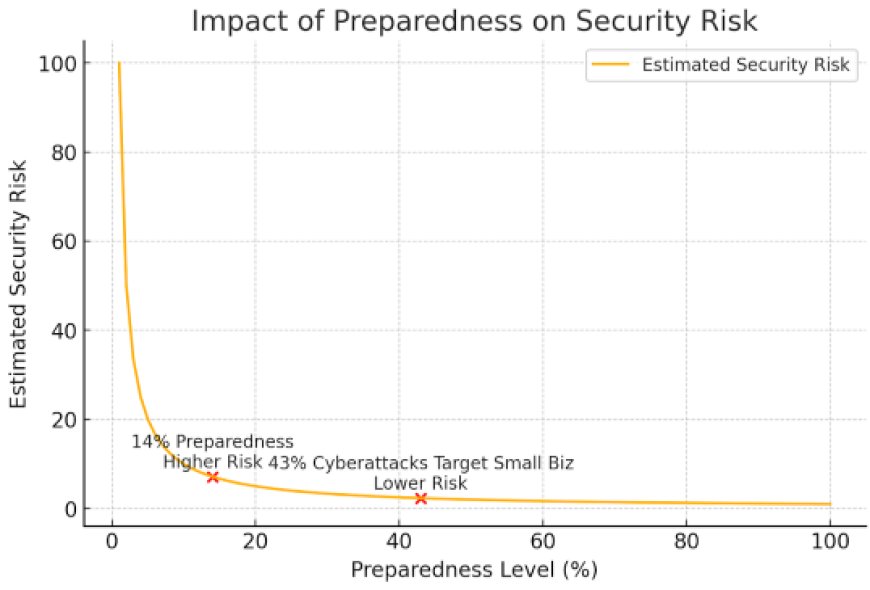
The statistics show that 43% of cyberattacks are against small businesses, but only 14% of them are prepared to fight back effectively. Furthermore, in 2023, the average cost of a single data breach was estimated to be ₹36.49 crore. Just look at the impact the lack of network protection can have financially! Also, companies with comprehensive network security services face 50% fewer security incidents than companies without. The statistics alone are proof of why it is important to have robust Network Security Services in place today and not later!
What Are Network Security Services?
Network Security Services provide a range of services to protect your computer networks from unauthorized accessibility, misuse, malfunction, modification, destruction, or improper disclosure. With these services, you can ensure the confidentiality, integrity, and availability of your data. This allows businesses to operate confidently and securely online.
A comprehensive approach to network security encompasses a wide breadth of devices or systems, including, but not limited to, firewalls, intrusion detection and prevention systems (IDPS), antivirus products, VPNs, and security monitoring. All these services work together to form a strong security defense against threats.
Essential Network Security Services Every Business Needs

1. Firewall Protection
Firewalls are the first line of defense for any network. They monitor incoming and outgoing network traffic and decide whether to allow or block specific traffic based on predetermined security rules. Firewalls prevent unauthorized access and help keep hackers and malware out of your network.
Modern firewall solutions offer more than just basic filtering they include advanced features like deep packet inspection, threat intelligence integration, and application awareness, ensuring comprehensive protection.
2. Intrusion Detection and Prevention Systems (IDPS)
An IDPS monitors network traffic for suspicious activities and can automatically block potential threats. Intrusion detection identifies and logs malicious activities, while intrusion prevention takes immediate action to stop attacks.
Implementing IDPS helps businesses respond to threats in real-time and minimize damage, making it an indispensable part of Network Security Services.
3. Antivirus and Anti-Malware Solutions
While firewalls and IDPS protect the network perimeter, antivirus and anti-malware tools protect individual devices from viruses, ransomware, spyware, and other malicious software. These solutions scan files, emails, and web traffic to detect and remove threats before they can cause harm. Regular updates and real-time protection are key to staying ahead of new malware strains.
4. Virtual Private Network (VPN)
VPNs secure internet connections by encrypting data transmitted between users and the network. This is especially important for businesses with remote employees or multiple offices, as VPNs ensure secure communication over public or untrusted networks. VPNs prevent data interception and eavesdropping, keeping sensitive information safe.
5. Security Information and Event Management (SIEM)
SIEM systems collect and analyze security data from various sources across your network to provide real-time alerts on suspicious activities. By centralizing threat detection, SIEM helps IT teams quickly identify and respond to security incidents. This proactive approach reduces the risk of breaches and helps maintain compliance with regulatory standards.
6. Data Loss Prevention (DLP)
DLP solutions monitor and control the flow of sensitive data within and outside your organization. They help prevent data leaks by enforcing policies on data usage, access, and transmission. For businesses handling confidential information, DLP is vital in protecting intellectual property and customer data.
7. Email Security
Email remains a primary vector for cyberattacks like phishing and malware delivery. Email security solutions filter out malicious emails, scan attachments, and block spam, reducing the risk of compromised credentials or data breaches. Incorporating email security is essential for safeguarding business communications.
How to Choose the Right Network Security Services
-
Assess Your Business Needs
Evaluate the size of your organization, the sensitivity of your data, and your industry’s regulatory requirements to determine the level of security needed.
-
Prioritize Comprehensive Solutions
Look for vendors offering integrated security solutions that cover multiple aspects like firewall, intrusion prevention, endpoint protection, and monitoring.
-
Focus on Scalability and Flexibility
Your security services should be able to grow with your business and adapt to new threats without requiring complete overhauls.
-
Ensure Strong Support and Monitoring
Choose providers that offer 24/7 monitoring, threat intelligence updates, and prompt customer support to keep your defenses up-to-date.
In today's cyber-threat environment, effective Network Security Services are a keystone investment for any business. Firewalls, IDPS, VPNs, and SIEMs are considered network security services, and all of these services work together to safeguard your network, data, and reputation. If you ignore network security services, you risk financial loss and customer trust.
Stay ahead of cyber threats and protect your business now! Contact [email protected] to get the right Network Security Services tailored for you today!