Why the Importance of Cyber Security Is Rising?
Explore the growing importance of cybersecurity in protecting data, privacy, networks, and systems from evolving cyber threats and risks.
With every new technology, we gain exciting opportunities, but we also face new risks. Cyber threats like ransomware, phishing scams, and data breaches are becoming more common, leaving businesses and individuals racing to protect themselves. I remember one case where I helped a mid-sized business deal with a ransomware attack. The attackers found a weak spot in the system, locked down critical files, and demanded a huge ransom to release them. As a cybersecurity specialist, I saw how just one overlooked vulnerability could cause massive disruption. That moment made it clear, that cyber security is not optional it’s essential.
Cybercriminals are constantly finding new ways to exploit weaknesses, whether it’s through tricking individuals into clicking fake links or hacking into company databases. The goals are high for everyone. Why the importance of cyber security is rising, the major threats fueling this demand, and the simple yet effective steps we can all take to protect ourselves? By understanding the basics and acting proactively, we can create a safer digital environment for everyone.
What is Cyber Security?
Cyber Security refers to the practice of protecting systems, networks, and data from digital attacks, theft, or damage. It involves using technology, processes, and best practices to safeguard information from unauthorized access, cyberattacks, and other online threats. This includes protecting personal data, preventing hacking attempts, securing websites, and ensuring the safety of business operations in the online environment.
Importance of Cyber Security
The growing dependence on digital platforms and technologies has created a fertile ground for cybercriminals. As we adopt smart devices, cloud storage, and online transactions, our attack surface widens. Here are key reasons why the Importance of cyber security is more critical than ever.
-
Increasing Cyber Threats
Cyberattacks have become more frequent and sophisticated, targeting individuals, corporations, and governments. Phishing, ransomware, and malware are now part of everyday vocabulary. -
Expansion of Digital Infrastructure
With more devices connected to the internet, including IoT devices, the risk of breaches has grown exponentially. Hackers exploit even minor vulnerabilities in networks. -
Data as a Target
Data is the new currency. Cybercriminals aim to steal sensitive information, such as financial data, personal records, and intellectual property, to sell on the dark web or use for blackmail. -
Regulatory Demands
Governments worldwide are enforcing stricter data protection laws, such as GDPR, HIPAA, and CCPA. Non-compliance can result in hefty fines and reputational damage. -
Remote Work Challenges
The shift to remote work has exposed organizations to new vulnerabilities, with employees accessing sensitive data from home networks.
Key Cyber Threats Need for Cyber Security
1. Ransomware Attacks
Ransomware has become one of the most damaging forms of cybercrime. Hackers encrypt critical data and demand payment to restore access. For businesses, this can mean losing vital information or paying exorbitant ransom.
Example:
In 2021, the Colonial Pipeline attack disrupted fuel supplies across the U.S. highlighting the devastating impact ransomware can have on infrastructure.
2. Phishing Scams
Phishing scams trick individuals into revealing sensitive information, such as passwords or credit card details. These attacks often come in the form of emails or messages that mimic trusted entities.
Tip to Stay Safe:
Always verify the sender’s identity and avoid clicking on suspicious links.
3. Insider Threats
Not all threats come from outside. Employees with malicious intent or lax security practices can compromise systems.
How to Mitigate:
Implement strict access controls and conduct regular employee training.
4. IoT Vulnerabilities
Smart devices are convenient but often lack robust security measures, making them easy targets for hackers.
5. Supply Chain Attacks
Hackers target suppliers or vendors to infiltrate larger organizations. These attacks highlight the need for end-to-end cybersecurity.
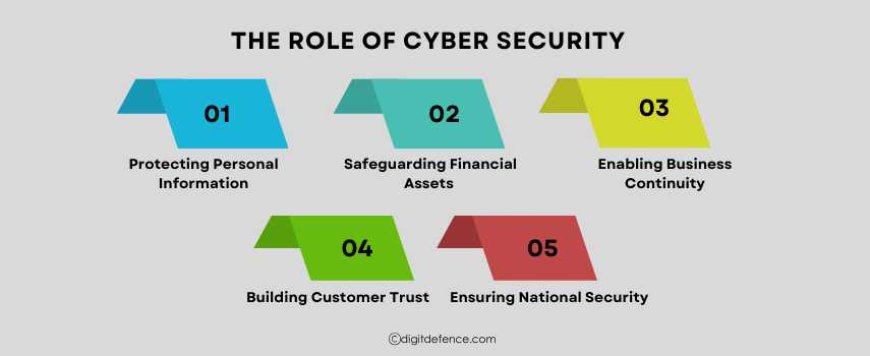
The Role of Cyber Security
1. Protecting Personal Information
With more personal data stored online than ever before, cybersecurity ensures this information remains private and secure.
2. Safeguarding Financial Assets
From online banking to cryptocurrency wallets, financial data is a prime target for cybercriminals. Cybersecurity prevents unauthorized access to these assets.
3. Enabling Business Continuity
Cyberattacks can disrupt operations, causing downtime and financial loss. Strong cybersecurity measures ensure businesses can recover quickly and continue functioning.
4. Building Customer Trust
Consumers are more likely to engage with companies that prioritize their security. A robust cybersecurity strategy demonstrates a commitment to protecting customer data.
5. Ensuring National Security
Governments depend on cybersecurity to protect critical infrastructure, military systems, and sensitive information.
Steps to Enhance Cyber Security
-
Use Strong Passwords: Avoid predictable passwords and use a password manager to keep them secure.
-
Enable Two-Factor Authentication (2FA): Add an extra layer of security to your accounts.
-
Keep Software Updated: Regular updates patch vulnerabilities that hackers could exploit.
-
Educate Employees: Conduct regular training to raise awareness about phishing and other threats.
-
Backup Critical Data: Regularly back up data to mitigate the impact of ransomware and other attacks.
Case Studies
Case Study 1:
In 2016, Uber Technologies Inc. a leading ride-sharing company, experienced a significant data breach that exposed the personal information of approximately 57 million users and drivers worldwide. The compromised data included names, email addresses, phone numbers, and, for around 600,000 drivers, driver's license numbers.
Issues: The breach occurred when two hackers accessed Uber's GitHub repositories, where they discovered login credentials to Uber's Amazon Web Services (AWS) account. Using these credentials, the attackers infiltrated Uber's data stored on AWS. Instead of promptly disclosing the breach, Uber paid the hackers $100,000 to delete the stolen data and keep the incident confidential, a decision that violated data breach notification laws.
Solutions: Upon eventual disclosure of the breach in 2017, Uber took several corrective actions to address the fallout and improve its cybersecurity practices. The company made significant leadership changes, replacing key executives, including the CEO and Chief Security Officer, to demonstrate a renewed commitment to robust security practices. Uber also implemented multifactor authentication to strengthen user access, conducted comprehensive security audits to identify and rectify vulnerabilities, and reinforced its data access policies to prevent unauthorized access.
Outcome: The incident resulted in significant financial penalties and reputational damage for Uber. It underscored the critical importance of robust cybersecurity measures, transparent breach disclosure practices, and compliance with legal obligations regarding data protection.
Case Study 2:
Sony Pictures Entertainment
In November 2014, Sony Pictures Entertainment suffered a devastating cyberattack that led to the theft and public release of confidential data, including unreleased films, employee personal information, executive emails, and sensitive business documents. The attack was attributed to a group calling itself the "Guardians of Peace," with allegations of state-sponsored involvement.
Issues: The attackers infiltrated Sony's network using spear-phishing emails to gain access to employee credentials. Once inside, they deployed malware that destroyed data and rendered thousands of computers useless. The breach exposed weaknesses in Sony's network security, including inadequate intrusion detection systems and insufficient employee training on phishing threats.
Solutions: In response to the attack, Sony implemented several critical measures to enhance its cybersecurity defenses and prevent future incidents. The company undertook a complete reconstruction of its IT infrastructure, incorporating enhanced security protocols and network segmentation to limit lateral movement by attackers.
Outcome: The breach resulted in significant financial losses, legal challenges, and reputational damage for Sony. It highlighted the necessity for organizations to implement comprehensive cybersecurity strategies, including employee education, robust network defenses, and effective incident response planning, to mitigate the risks posed by advanced cyberattacks.
The importance of cyber security has never been greater. As cyber threats grow in advance and frequency, protecting personal and organizational data is essential for maintaining trust, continuity, and durability in the digital environment. Whether it’s implementing basic practices like enabling 2FA or adopting advanced measures like zero-trust architecture, everyone has a role to play in strengthening cybersecurity. Don’t wait for a breach to take action start building a secure digital future.
Cybersecurity isn’t just a technical issue it’s a shared responsibility that impacts the safety and stability of our interconnected world. Don’t wait for a breach to take action start building a secure digital future by prioritizing proactive measures and fostering a culture of cyber awareness.