Top Risk Assessment Procedures to Safeguard Your Business
Discover the top risk assessment procedures that can protect your business from potential threats and ensure long-term success. Start securing your business today!

Is your business ready to mitigate the impact of potential risks?
Or are you missing important vulnerabilities which could leave your organization at risk? In the rapidly changing business environment, risk assessment procedures are required for identifying, assessing, and managing risk which may negatively impact your organization. Without directional procedures, you can endanger your financial stability, and organizational reputation and success.
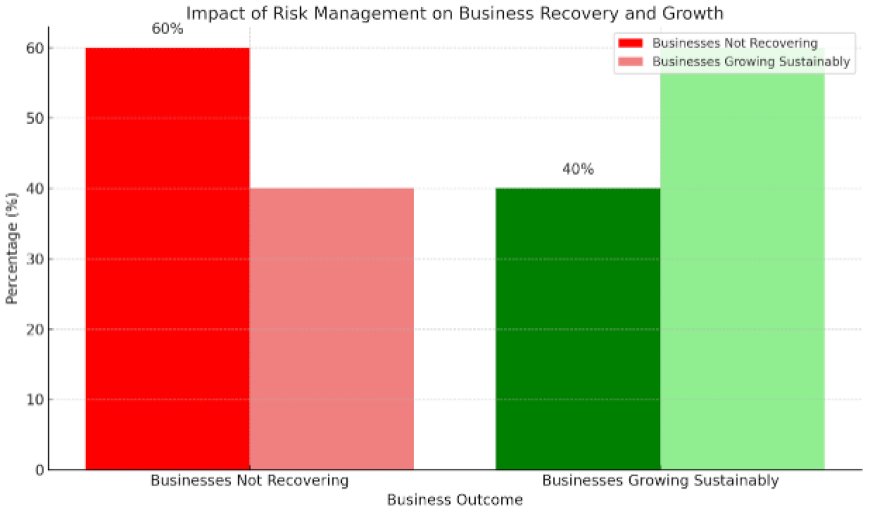
As reported by study of the Institute of Risk Management six out of ten businesses (60%) that are hit by a significant disruption will not recover in 12 months. Furthermore, organizations with strong risk management processes are 40% more likely to experience sustainable growth. This information should emphasize the need for effective pro active.
In 2011, the PlayStation Network (PSN) from Sony was attacked and became the site of one of the largest data breaches in history, impacting the personal data of 77 million users. The breach caused lengthy downtime, financial implications, and damage to the company’s reputation.
Sony did not have adequate Risk Assessment Procedures to identify vulnerabilities in their network security, nor did they have valid contingency plans in place and the ability to deal with the breach in a timely manner. In the end, Sony experienced operational downtime, a decrease in consumer trust, and over ₹1,414.85 million in costs directly related to the breach.
After the breach, Sony overhauled its cybersecurity infrastructure and introduced more comprehensive Risk Assessment Procedures. They became more proactive by frequently scanning network vulnerabilities, bolstering security protocols, and using more secure encryption methods. This revamp enabled Sony to regain consumer trust and enhance security on its platform. Ever since, the company has been much more risk-conscious and security-aware.
What are Risk Assessment Procedures?
Risk Assessment Procedures are ordered processes that enable companies to identify potential risks, assess their likelihood and impact, and implement mechanisms to manage or mitigate the risks. The procedures enable companies to make informed decisions by scrutinizing risks in depth and determining the best measures to take regarding them. Whether you have a small business or a large corporation, having a robust risk assessment system in place can enhance your capacity to foresee challenges, safeguard valuable assets, and secure your business operations.
Why Risk Assessment Procedures Matter for Your Business

Risk is an inevitable part of running any business. However, how well you prepare for and manage those risks can make the difference between long-term success and failure. A comprehensive risk assessment process allows your company to:
-
Identify Potential Threats: By systematically evaluating your operations, you can identify vulnerabilities and risks you may not have previously considered.
-
Minimize Financial Losses: With proper risk management, you can avoid costly disruptions, fines, or lawsuits.
-
Enhance Operational Efficiency: A proactive risk management strategy can improve business operations by addressing inefficiencies and minimizing disruptions.
-
Ensure Business Continuity: Risk assessments help in creating contingency plans, which are crucial for ensuring your business can continue functioning smoothly, even in the face of a crisis.
Top Risk Assessment Procedures for Safeguarding Your Business
Here are the key Risk Assessment Procedures that can help safeguard your business:
1. Risk Identification
The first step in any risk assessment is identifying potential risks that could impact your business. This could range from financial instability, supply chain disruptions, cybersecurity threats, or compliance issues. The goal is to identify internal and external risks that could jeopardize your operations.
Procedure:
-
Conduct regular brainstorming sessions with key stakeholders.
-
Perform a thorough review of past incidents and lessons learned.
-
Gather insights from employees at all levels who may be aware of potential threats.
2. Risk Analysis and Evaluation
Once risks are identified, the next step is to assess their potential impact on your business. This involves evaluating the likelihood of each risk occurring and determining the severity of its consequences.
Procedure:
-
Use a risk matrix to categorize risks based on their likelihood and impact.
-
Assign a risk rating to each identified threat (e.g., high, medium, low).
-
Analyze past data and trends to predict future risks more accurately.
3. Risk Control and Mitigation
After assessing the risks, you need to put controls in place to minimize or eliminate those threats. Risk control procedures include implementing preventative measures, creating contingency plans, and allocating resources for risk reduction.
Procedure:
-
Implement cybersecurity measures, such as firewalls and encryption, to safeguard digital data.
-
Create contingency plans that outline steps to take during emergencies.
-
Train employees on risk management and safety protocols.
4. Monitor and Review Risks
Risk management is not a one-time process. It’s crucial to continuously monitor and reassess risks, as new threats emerge and the business environment changes. Regular reviews ensure that your risk management procedures are up to date and that you're prepared to address evolving risks.
Procedure:
-
Schedule regular risk audits and assessments, at least annually.
-
Use risk management software to track identified risks and mitigation measures.
-
Adjust your risk management plan based on changes in your business environment or external factors.
5. Create a Risk Response Plan
In case a risk materializes, you need a structured response plan to handle the situation effectively. A risk response plan outlines the steps to take when a risk occurs and assigns responsibilities to relevant team members.
Procedure:
-
Develop a risk response matrix that includes actions for each possible scenario.
-
Assign a crisis management team to handle specific risks.
-
Keep communication channels open to ensure swift decision-making during emergencies.
By implementing effective Risk Assessment Procedures, you can not only safeguard your business from potential threats but also foster a culture of preparedness and resilience. Identifying, analyzing, and mitigating risks can prevent financial losses, ensure compliance, and protect your organization’s reputation. Moreover, these procedures contribute to long-term growth by enabling better decision-making and promoting operational efficiency.
Don’t wait for a crisis, strengthen your risk management today. For expert guidance on Risk Assessment Procedures, contact us at [email protected].