How Pentesting Network Could Save Your Business
Protect your business from cyber threats with a pentesting network! Identify vulnerabilities before hackers do and safeguard your data. Act now for better security!

Is your business completely secure from the constantly changing world of cyber threats? Or do there exist weaknesses within your network that hackers could target?
With the world being so digital today, keeping your company's confidential information safe is essential, and there's one of the most powerful ways to secure it is through Pentesting Network. By actively testing the security of your network, you can find and fix vulnerabilities before they result in expensive breaches.
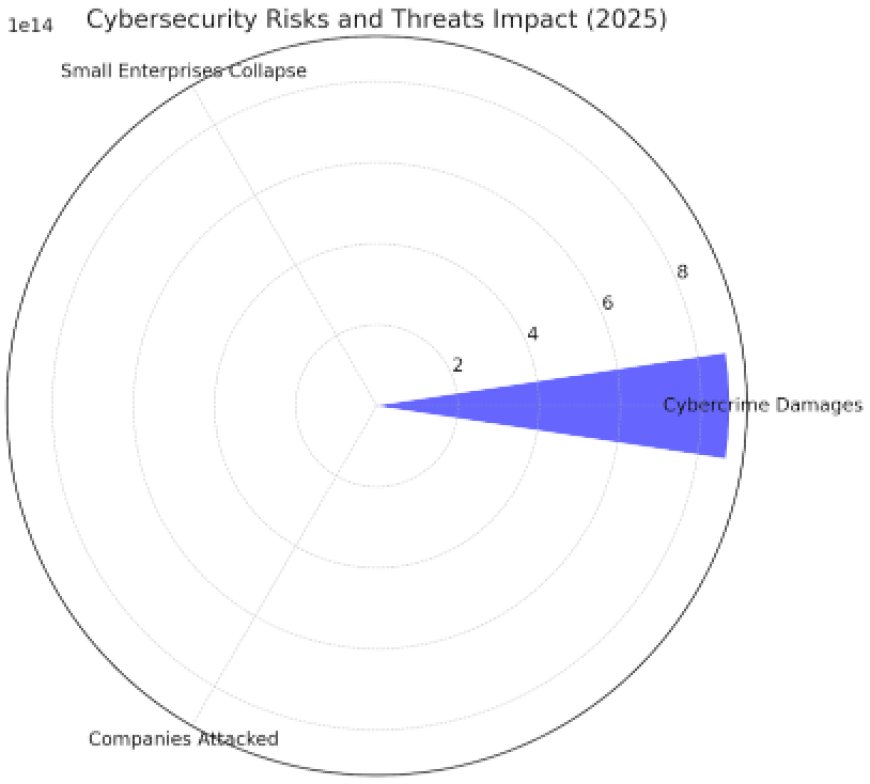
In terms of a report by Cybersecurity Ventures, damages from cybercrime are projected to hit ₹868.77 trillion per annum by 2025, while 60% of small enterprises collapse within half a year following a cyber attack. Indeed, 85% of companies have experienced a cyber attack at one point or another, but none of them is ready to take the hit. Using Pentesting Network regularly can dramatically reduce the risks of falling victim to these threats by providing a deeper understanding of your network’s vulnerabilities and offering solutions to mitigate them.
A case study of how Pentesting Network assisted a business is the use of Uber and its cybersecurity model. After suffering a massive data breach in 2016 when over 57 million riders' and drivers' personal details were hacked, Uber started performing periodic penetration tests to identify vulnerabilities within their network. They put up strong security layers such as encryption and multi-factor authentication to fortify their defense.
Through repeated testing of their system via pentesting, Uber was able to patch severe vulnerabilities and avoid future hacks. This proactive network security effort enabled them to regain their reputation and rebuild customer trust over time.
What is Pentesting Network?
Network Pentesting, or penetration testing, is a staged and simulated cyberattack on your business network to determine the weaknesses and vulnerabilities that could be targeted by actual hackers. Ethical hackers (pentesters) try to break into your network in the same ways that cybercriminals would, and this allows you to find out where your defenses are weakened and where they need to be strengthened.
Unlike standard security audits, Pentesting Network tests your systems and applications for vulnerabilities that can be exploited by going the extra mile. Not only does it give you a snapshot of your network's current security posture, but it also assists in prioritizing your most serious threats so that you can address the most perilous ones first. At a time when cyberattacks are growing more sophisticated, pentesting is the forward-thinking way businesses must protect their assets.
Why Pentesting Network is Crucial for Your Business
1. Identifying Vulnerabilities Before Hackers Do
The primary benefit of Pentesting Network is that it identifies security weaknesses before malicious actors have the opportunity to exploit them. Hackers constantly look for loopholes, outdated software, weak passwords, or misconfigurations to gain unauthorized access to your network. By conducting regular pentests, you ensure that these vulnerabilities are found and patched proactively.
How It Helps:
-
Avoid costly data breaches and downtime.
-
Prevent the loss of customer trust and business reputation.
-
Ensure compliance with industry regulations and standards (such as GDPR or HIPAA).
2. Simulating Real-World Attacks
Pentesting Network mimics the techniques used by real-world hackers to infiltrate your system. This helps you understand how effective your current security measures are and what level of damage an attacker could potentially cause. Whether it's exploiting a weak password policy or exploiting outdated software vulnerabilities, pentesting exposes real weaknesses that could otherwise be overlooked.
How It Helps:
-
Gain insights into your current security posture.
-
Test your network’s response to simulated cyberattacks.
-
Identify any weaknesses in your defenses that could be easily exploited by malicious actors.
3. Complying with Industry Standards and Regulations
Certain industries require businesses to conduct regular pentesting and vulnerability assessments as part of their cybersecurity compliance. For example, businesses handling sensitive information, like healthcare or finance, must meet strict security standards to avoid penalties. Pentesting Network ensures that your business meets these compliance requirements and is fully prepared for audits.
How It Helps:
-
Ensure compliance with regulations like PCI-DSS, HIPAA, or GDPR.
-
Maintain secure practices to safeguard customer and employee data.
-
Avoid legal penalties and costly fines for non-compliance.
4. Strengthening Customer Trust and Reputation
In an age where data privacy concerns are top of mind, customers are more likely to trust businesses that demonstrate a commitment to robust cybersecurity practices. Regular Pentesting Network not only strengthens your defenses but also boosts your brand's reputation as a security-conscious and responsible organization.
How It Helps:
-
Increase customer confidence in your data protection practices.
-
Prevent the damage caused by potential security breaches.
-
Enhance your business’s credibility in a competitive market.
How to Implement Pentesting Network for Your Business

1. Choose the Right Pentesting Service
There are different types of penetration tests, including external, internal, web application, and social engineering testing. Choosing the right type of pentesting depends on the specific needs of your business and the complexity of your network.
How to Use It:
-
Work with a cybersecurity firm that specializes in penetration testing and understands your industry.
-
Define the scope of the test, which systems, applications, or devices need to be tested.
-
Ensure the test covers both external threats and internal vulnerabilities.
2. Schedule Regular Pentests
A one-time pentest is not enough. Cyber threats are constantly evolving, and your network's defenses need to evolve too. Regular pentests should be conducted at least annually, or more frequently if there are significant changes to your network, infrastructure, or applications.
How to Use It:
-
Schedule pentests after major system upgrades or changes.
-
Regularly test for newly discovered vulnerabilities.
-
Keep track of the results and work to fix issues immediately.
3. Take Action on Findings
Pentesting is only effective if you act on the results. After the pentesting team identifies vulnerabilities, prioritize them based on risk and take steps to patch them. This may involve updating software, changing configurations, or implementing new security protocols.
How to Use It:
-
Address high-priority vulnerabilities immediately.
-
Educate your team on cybersecurity best practices.
-
Continuously monitor your network for new vulnerabilities.
Pentesting Network is a valuable asset for businesses wanting to protect their digital assets, stay one step ahead of cyber threats, and keep customers' trust. Performing pentests regularly enables you to detect vulnerabilities, safeguard sensitive information, and comply with industry standards. By incorporating pentesting as a central component of your cybersecurity strategy, you can significantly lower the risk of cyberattacks and safeguard your business against expensive breaches.
Begin protecting your network today with professional penetration testing, and take a proactive step toward protecting your business from the increasingly emerging threats of the digital age.