Secure Your Website Now to Avoid Future Threats
Protect your business from cyber threats today! Learn how securing your website can prevent data breaches and safeguard your reputation.
Are you sure your website is safe from cyber threats? With the rise in digital attacks, the question arises can you afford not to secure your website?
Website secure is a vital concern for any business in today’s digital environment. Cyberattacks are rising, with hackers continually changing their tactics to exploit website vulnerabilities. Securing your website is no longer an option but a necessity. Failing to do so can expose your business to data breaches, loss of customer trust, and significant financial damage.
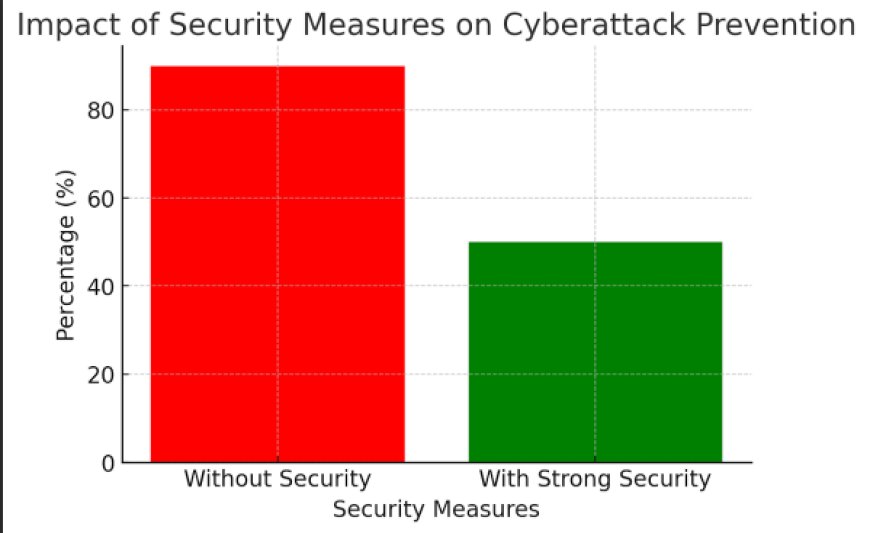
Studies indicate that 90% of successful cyberattacks could have been prevented with proper security measures in place. Websites that implement strong security protocols see up to 50% fewer attacks, significantly lowering their chances of data breaches and financial losses. With cyber threats growing exponentially, ensuring that your website is secure is not just an option it's a necessity.
ABC Tech Solutions, a software development company, was unknowingly vulnerable to cyber threats due to outdated security protocols. The company relied on basic security measures, which left them exposed to potential risks, including SQL injection and cross-site scripting (XSS) attacks.
When a hacker attempted to breach their website by exploiting these vulnerabilities, ABC Tech Solutions' security system failed to detect the threat in time. However, once the incident was identified, the company took swift action. They immediately upgraded their security infrastructure, implemented HTTPS encryption across all pages, enforced multi-factor authentication (MFA) for user logins, and began conducting routine vulnerability scans and penetration tests.
These security measures helped the company not only mitigate the current threat but also establish a robust defense system against future attacks. As a result, ABC Tech Solutions regained control, strengthened its online presence, and restored the trust of its customers. This case demonstrates the value of securing your website and taking proactive steps to prevent cyber threats, especially in today’s digital environment.
Why Website Security is Important for Your Business
In the digital environment, your website is one of your most valuable assets. It serves as the primary point of interaction with your customers, hosts sensitive information, and plays a critical role in your marketing and sales efforts. A secure website is essential for building trust with your customers, ensuring the safety of their data, and maintaining your business’s reputation. If your website is vulnerable to threats like hacking or malware, it can lead to severe consequences including financial loss, legal issues, and a damaged reputation.
For businesses to grow, they must adapt to the changing digital environment, and one of the most crucial aspects is securing their website. Cybercriminals are continuously seeking new vulnerabilities to exploit, which is why website security cannot be treated as a one-time effort. Instead, it requires continuous vigilance, proactive measures, and regular updates to protect against new threats.
Common Website Security Threats
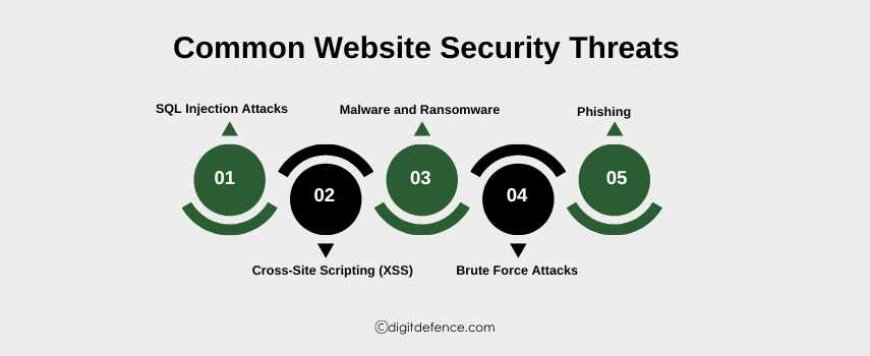
There are several potential threats that websites face daily. Some of the most common ones include:
-
SQL Injection Attacks: This type of attack allows hackers to inject malicious code into a website's database, giving them access to sensitive information like passwords and credit card details.
-
Cross-Site Scripting (XSS): Hackers use this technique to inject malicious scripts into web pages viewed by users, potentially stealing sensitive data or infecting users' computers.
-
Malware and Ransomware: These malicious software programs can be used to lock users out of their websites or compromise their data for extortion purposes.
-
Brute Force Attacks: Hackers attempt to crack passwords by trying various combinations until they gain access to your website.
-
Phishing: Hackers impersonate legitimate entities to steal sensitive information, often through fake login pages or emails.
How to Secure Your Website: Best Practices
Securing your website is an ongoing process, but implementing the right practices can significantly reduce your vulnerability to attacks. Here are some crucial steps to ensure your website is secure:
-
Use Strong Passwords and Multi-Factor Authentication: Ensure that all user accounts, especially admin accounts, use strong passwords and enable multi-factor authentication (MFA) wherever possible.
-
Keep Software and Plugins Up to Date: Outdated software and plugins are one of the most common entry points for cybercriminals. Regularly update your website's content management system (CMS) and plugins to patch security holes.
-
Encrypt Data with SSL/TLS: Secure Socket Layer (SSL) and Transport Layer Security (TLS) encrypt data transmitted between your website and its users. This ensures that sensitive information, like passwords and payment details, is safe from prying eyes.
-
Use a Web Application Firewall (WAF): A WAF helps to filter malicious traffic and block common cyberattacks before they can reach your website.
-
Regular Backups: Regular backups of your website ensure that you can quickly restore it in case of an attack or data loss.
-
Limit User Access: Ensure that only authorized personnel have access to critical areas of your website. By limiting access and ensuring that users have the least privileges required, you can reduce the risk of an internal breach.
-
Monitor Website Traffic: Regularly monitor your website’s traffic to detect unusual activity, which may indicate an attempted attack. Tools like Google Analytics can help you spot traffic spikes or unusual patterns.
Securing your website is not just about protecting sensitive data it’s also about safeguarding your reputation and ensuring long-term business success. In a digital world where cyber threats are increasing, taking steps to secure your website from attacks is essential. By implementing best practices, staying up to date with the latest security technologies, and maintaining vigilance, businesses can protect themselves from data breaches and the harmful effects of cyber threats.
Contact Us Today
Ready to protect your website from potential threats? Get in touch with us today at [email protected] for a comprehensive website security audit and to implement the best website security practices for your business. Don’t wait until it’s too late secure your website now!