Secure Your Business with Cyber & Network Security Steps
Every business today operates on computers, the internet, and connected networks. While this helps companies work faster and reach more customers, it also opens doors to cyber threats.

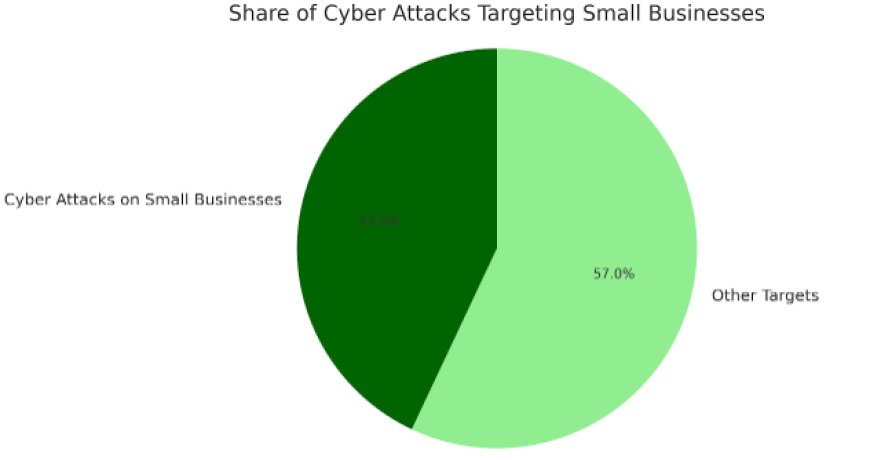
In fact, 43% of cyber attacks target small businesses, and 60% of those affected go out of business within six months due to data loss or damage. Without proper Cyber & Network Security, your business data, customer information, and operations are at serious risk.
Yahoo was one of the world’s largest internet companies, with over a billion user accounts worldwide. It offered email, news, and other online services, making user data security a top priority to protect millions of personal accounts.
Yahoo suffered a massive cyberattack where hackers stole data from over 3 billion user accounts. The breach exposed sensitive information like names, email addresses, phone numbers, birthdates, and even security questions and answers. Yahoo’s security systems failed to detect the attack early, and the stolen data put users at risk of identity theft and fraud.
After the breach was discovered, Yahoo took several steps to improve its cybersecurity. It forced password resets for affected users, added stronger encryption to protect data, and upgraded its security infrastructure. The company also worked with federal agencies to investigate the breach and improve overall network security. This incident highlights how critical it is for large companies to strengthen their cyber defenses.
What Is Cyber & Network Security?
Cybersecurity protects your digital systems, data, and devices from attacks, damage, or unauthorized access. Network security is a part of cyber security focused on securing the company’s network and the connection between computers, servers, and other devices.
Together, they safeguard your business against hackers, viruses, and other threats that can cause financial loss, reputation damage, and downtime.
Why Does Your Business Need Cybersecurity?
Businesses face serious risks without proper security. Here are the main pain points:
-
Data Theft and Loss: Sensitive information like customer details, financial records, and company secrets can be stolen.
-
Financial Damage: Cyber attacks can cost thousands or even millions due to theft, downtime, and fixing systems.
-
Loss of Customer Trust: Customers expect businesses to protect their data. A security breach can ruin your reputation.
-
Regulatory Fines: Many industries must follow laws that require data protection. Failure to comply can lead to fines.
-
Business Interruptions: Cyber attacks like ransomware can shut down your business temporarily or permanently.
Common Cyber Threats You Should Know
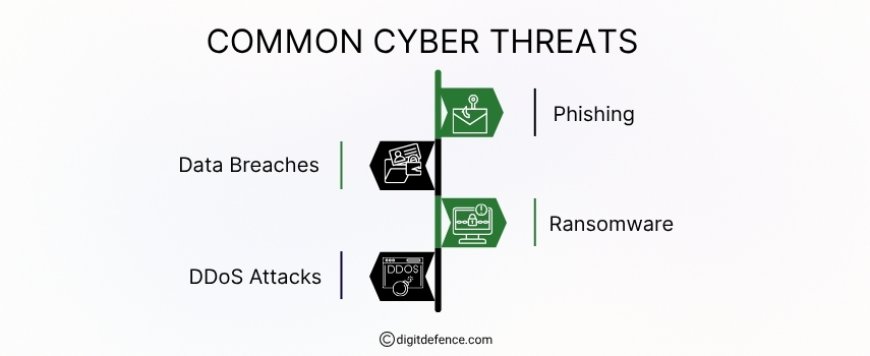
It helps to know what kinds of attacks your business might face. Some common cyber threats include:
-
Phishing: Fake emails that trick employees into giving passwords or clicking bad links.
-
Ransomware: Malware that locks your files and asks for money to unlock them.
-
Data Breaches: When hackers steal sensitive data like customer info or payment details.
-
DDoS Attacks: Flooding your website or network with traffic to make it stop working.
Signs Your Business May Be at Risk
Sometimes you might not notice a cyberattack immediately. Watch for these signs:
-
Slow computer or network performance
-
Unexpected pop-ups or messages
-
Unknown software is installed on your devices
-
Emails or alerts about failed login attempts
Simple Steps to Improve Cyber & Network Security
Protecting your business doesn’t have to be complicated. Here are some easy but important steps:
-
Use Strong Passwords: Avoid easy passwords. Use a mix of letters, numbers, and symbols. Change passwords regularly.
-
Keep Software Updated: Install updates and patches for your software and devices. This fixes security holes hackers use.
-
Use Firewalls and Antivirus: These tools block harmful traffic and detect malware before it can harm you.
-
Backup Your Data: Regularly save copies of your important files. If attacked, you can restore your data quickly.
-
Train Your Team: Teach employees about cyber threats and safe online habits. Most attacks start with human error.
What to Do If a Cyberattack Happens
If your business is attacked, quick action is key. Follow these steps:
-
Disconnect affected devices to stop the attack from spreading.
-
Change all passwords to keep accounts safe.
-
Inform your customers if their data may be at risk.
-
Get help from cybersecurity professionals.
-
Report the attack to the proper authorities.
Why Work with Cyber & Network Security Experts?
Cybersecurity experts have the knowledge and tools to protect your business better. They can find hidden risks, set up strong defenses, and respond fast if something goes wrong. Working with experts gives you peace of mind and lets you focus on running your business.
Cyber & Network Security is very important to keep your business safe. Without it, your data and customer information can be stolen, and your business can lose money and trust. By knowing the risks and following easy security steps, you can protect your business from hackers. If a problem happens, acting fast is very important. Working with security experts can help you stay safe and focus on running your business.
Looking to secure your business systems and safeguard your customer data from cyber threats? Visit https://digitdefence.com or email us at [email protected] to get started.
Stay secure, choose Digit Defence.