How the Importance of Cyber Security Impacts Your Business Success
Learn how cyber security is crucial for protecting your business from data breaches, ensuring compliance, and safeguarding customer trust.


In the current interconnected world, businesses face an ever-growing array of cyber threats. The importance of cyber security has never been more pronounced, as companies across the globe experience rising numbers of cyberattacks. From data breaches that expose sensitive information to ransomware attacks that can paralyze entire operations, the consequences of neglecting cybersecurity can be catastrophic. These threats don't just harm a company's bottom line; they can destroy customer trust, damage a brand's reputation, and even lead to legal consequences. As the digital environment changes, protecting your business from cyber threats has become a critical factor in ensuring long-term success.
Businesses nowadays face an ever-increasing number of digital dangers. The need for cyber security has never been more urgent as companies throughout the world face an increasing number of attacks. Neglecting cybersecurity can have severe implications, ranging from data breaches that show critical information to malware infections that prevent entire operations. These dangers don't just affect a company's bottom line; they may also damage customer trust, limit a brand's reputation, and even result in legal problems. As the online environment changes, defending your company from cyber risks has become an essential part of providing long-term success.
Why Cyber Security is Essential for Business Success
The importance of cyber security extends beyond preventing data breaches. A strong cybersecurity posture is foundational for several key aspects of business success, such as safeguarding data, retaining customer trust, and ensuring smooth operations.
-
Protecting Sensitive Data: At the core of most businesses lies a wealth of sensitive data, including customer information, financial records, and intellectual property. Protecting this data is crucial not just for compliance with regulations but also to avoid financial and reputational damage. A single breach can expose your company to severe consequences, including lawsuits, lost contracts, and regulatory fines. By implementing robust cybersecurity measures, such as encryption and access control, businesses can minimize the risk of data breaches and unauthorized access.
-
Maintaining Customer Trust: Customers entrust businesses with their personal and financial information, and they expect that data to be protected. When a company falls victim to a cyberattack, it isn’t just the immediate financial loss that hurts; the damage to the brand’s reputation can be even more devastating. Once trust is lost, it can be incredibly challenging to regain, and customers may choose to take their business elsewhere. A solid cybersecurity framework reassures customers that their data is safe, fostering long-term loyalty and trust.
-
Ensuring business continuity: Cyberattacks can bring business operations to a screeching halt. For example, ransomware attacks can lock businesses out of their critical systems and data until a ransom is paid, often with no guarantee of full recovery even after the payment. The importance of cyber security in maintaining business continuity cannot be overstated. By investing in cybersecurity solutions, companies can avoid downtime, protect their assets, and ensure that they remain operational even in the face of a cyber threat.
The Financial Impact of Cybersecurity Breaches
Cyberattacks don’t just hurt a business’s reputation; they can cause significant financial damage. From direct costs like ransom payments to indirect costs such as lost customers and legal fees, the financial impact of a breach can be catastrophic.
-
Direct Financial Losses: When a business experiences a cyberattack, the immediate costs are often staggering. For example, companies that fall victim to ransomware attacks may face ransom demands in the millions. Even if a ransom is not paid, the cost of recovering data, restoring systems, and mitigating the damage can run into the hundreds of thousands. Additionally, there are often hefty fines for failing to protect sensitive information, particularly if the breach involves personal data protected under laws like the General Data Protection Regulation (GDPR) or the Health Insurance Portability and Accountability Act (HIPAA).
-
Regulatory Fines: With the rise of privacy regulations, businesses are under more pressure than ever to ensure their data protection measures are up to standard. Failing to do so can result in significant fines. For example, under GDPR, companies can face fines of up to 4% of their global annual turnover for data breaches. HIPAA violations in the healthcare sector can also result in substantial financial penalties. These regulations underscore the importance of cyber security in avoiding financial penalties and protecting sensitive customer information.
-
Long-Term Effects: The financial consequences of a cyberattack don’t end with the immediate costs. In the long term, businesses may suffer from decreased customer confidence, loss of business, and a damaged reputation that takes years to rebuild. Moreover, many businesses experience increased insurance premiums and the costs associated with implementing stronger security measures post-incident. For some companies, the damage is irreparable, and they may never fully recover. This is why the importance of cyber security is directly linked to long-term financial health and business success.
Key Cybersecurity Strategies for Protecting Your Business
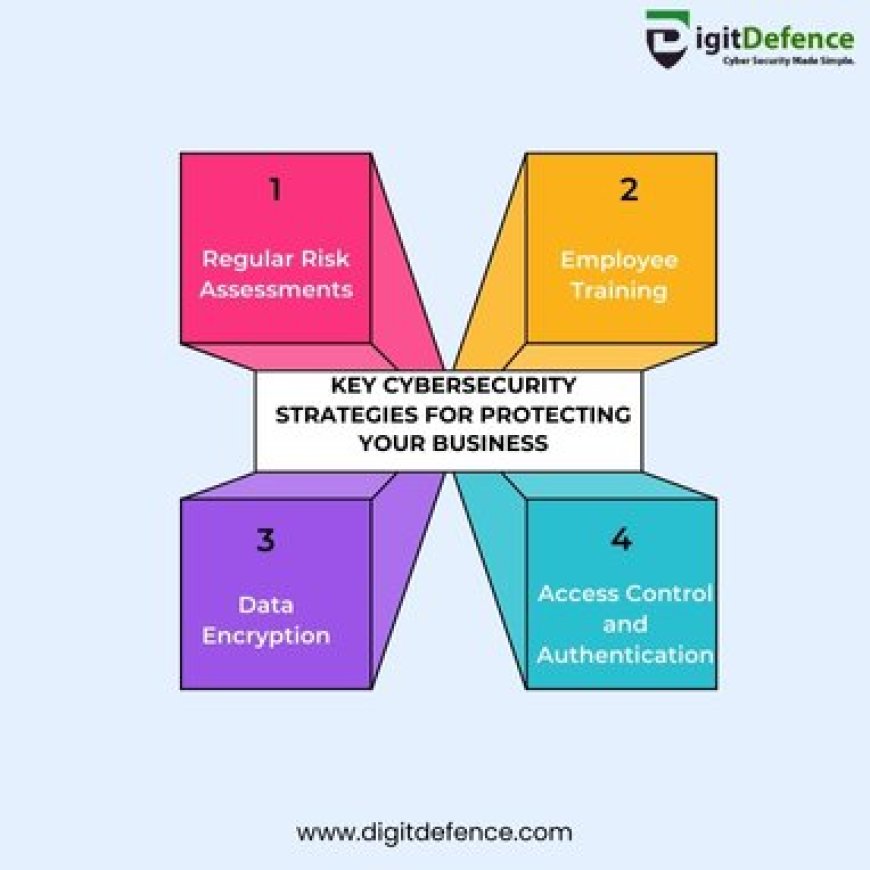
To truly understand the importance of cyber security and its impact on your business, it’s crucial to implement effective strategies that can protect your organization from cyber threats. Below are some key strategies that every business should consider:
-
Regular Risk Assessments: A risk assessment helps businesses identify potential vulnerabilities in their systems and processes, enabling them to address these weaknesses before they are exploited. By regularly evaluating your network, devices, and data, you can proactively mitigate risks. It’s important to prioritize risks based on their potential impact and likelihood and take action to address the most critical vulnerabilities.
-
Employee Training: One of the weakest links in a company’s cybersecurity defenses is often its employees. Cybercriminals frequently target individuals through phishing emails, social engineering tactics, and other schemes that exploit human error. Regular cybersecurity training can significantly reduce the risk of employee-related breaches by educating staff on how to identify phishing attempts, practice good password hygiene, and report suspicious activity.
-
Data Encryption: Encryption is one of the most effective ways to protect sensitive data from unauthorized access. Whether data is in transit or at rest, encryption ensures that even if it falls into the wrong hands, it cannot be easily deciphered. By encrypting customer data, financial records, and intellectual property, businesses can significantly reduce the risk of data breaches and enhance the security of their critical assets.
-
Access Control and Authentication: Not every employee needs access to all areas of your network or data. Implementing strict access controls ensures that sensitive information is only accessible to those who need it. Multi-factor authentication (MFA) adds a layer of security by requiring users to verify their identity through more than one method (e.g., a password and a code sent to their phone). This makes it much harder for cybercriminals to gain access to your systems.
The importance of cyber security cannot be overstated in today’s digital landscape. Cyber threats are becoming more sophisticated, and the consequences of a breach can be devastating, both financially and reputationally. However, businesses that take proactive steps to strengthen their cybersecurity posture can protect their assets, maintain customer trust, and ensure business continuity. By conducting regular risk assessments, educating employees, implementing data encryption, and adopting strict access controls, companies can significantly reduce their exposure to cyber threats. Moreover, by prioritizing cybersecurity, businesses not only protect themselves from attacks but also position themselves for growth, attracting customers and partners who value data protection. The path to business success is paved with strong cybersecurity measures and those who fail to recognize the importance of cyber security risk being left behind in an increasingly dangerous digital world. Take action today to protect your business from the threats of tomorrow.