The Essential Components of Cyber Security Every Business Needs
Learn the essential components of cyber security that every business needs to protect data, secure networks, and prevent cyber threats.


Cybersecurity challenges are increasing at a rate not seen before. Cyberattacks, ranging from ransomware to data breaches, may harm organizations of all kinds, causing financial loss, reputational damage, and even the eventual collapse of a company. The necessity of protecting your business from these risks cannot be stressed. This is when the components of cybersecurity come into play. Businesses that implement important cybersecurity measures may protect sensitive data, maintain business continuity, and develop confidence with customers and partners. The question isn't whether your company requires cybersecurity; it's about recognizing the critical components that every organization must have to stay secure.
As a network security expert with over a decade of experience, I've witnessed directly how the components of cyber security can make or break a corporation. In my early career, I worked for a medium-sized commercial company that believed simple antivirus software was sufficient to safeguard them. They learned the hard way when they were hit by a ransomware attack that encrypted their entire database, preventing them from accessing key customer and financial information. It took weeks to recover, and the financial consequences were severe. This disaster could have been avoided if they had the necessary cybersecurity components in place, such as network security, endpoint protection, and an incident response plan. My experience has shown me that no matter the size or industry, businesses must take cybersecurity seriously. It's not just an IT concern; it’s a business critical function.
What Are the Components of Cyber Security?
The components of cyber security are the foundational elements that work together to create a robust defense against cyber threats. These components include tools, technologies, policies, and practices that protect digital assets such as data, networks, and systems from unauthorized access, exploitation, and attack.
Why These Components Matter
Each component plays a vital role in securing different aspects of a business’s digital infrastructure. Without a comprehensive approach, businesses leave themselves vulnerable to cyberattacks that could disrupt operations, lead to data loss, or damage their reputation. A well-rounded cybersecurity strategy ensures that a business can prevent, detect, and respond to threats promptly, minimizing the potential impact of cyberattacks.
While some components are basic and essential for any business, others are more advanced and necessary for organizations dealing with highly sensitive information or operating in industries with strict regulatory requirements.
The Essential Components of Cyber Security

Now that we’ve defined what these components are and why they matter, let’s break down the essential components of cybersecurity that every business must implement to ensure a strong cybersecurity posture.
-
Network Security
-
Network security is the first line of defense for protecting your business’s internal and external communications. It involves safeguarding your network infrastructure from unauthorized access, intrusions, and attacks.
-
Why It’s Essential: Without proper network security, hackers can easily infiltrate your network, steal sensitive data, or deploy malware. Network security components include firewalls, which monitor and filter incoming and outgoing traffic, and intrusion detection systems (IDS), which identify and alert administrators of suspicious activities.
-
Key Tools: firewalls, VPNs (virtual private networks), IDS/IPS (intrusion detection and prevention systems), and network segmentation.
-
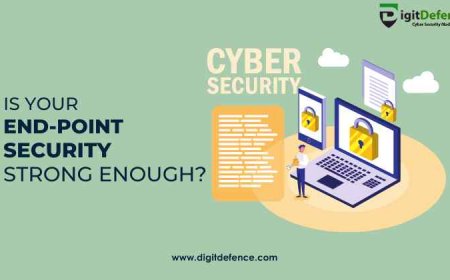
Endpoints such as computers, smartphones, and other devices connected to your network are often the target of malware attacks. Endpoint security ensures that every device accessing the network is secure, protecting against threats such as viruses, ransomware, and phishing attacks.
-
Why It’s Essential: A single compromised device can be the entry point for a widespread network breach. Endpoint security protects devices by monitoring them for potential threats, updating security patches, and scanning for malicious software.
-
Key Tools: antivirus software, endpoint detection and response (EDR) systems, and mobile device management (MDM).
-
Data Encryption
-
Data is one of the most valuable assets for any business, and protecting it is a top priority. Data encryption is the process of converting sensitive information into unreadable code that can only be deciphered by authorized parties with the correct encryption keys.
-
Why It’s Essential: Even if data is intercepted by cybercriminals, encryption ensures that it cannot be read or used without the decryption key. This is crucial for protecting customer information, intellectual property, and financial records.
-
Key Tools: Full disk encryption, SSL/TLS encryption for data in transit, and file-level encryption for data at rest.
-
Cloud Security
-
As more businesses shift their operations to the cloud, ensuring the security of cloud-based systems and data is paramount. Cloud security encompasses the policies, technologies, and controls used to protect data, applications, and infrastructure hosted in the cloud.
-
Why It’s Essential: Cloud environments introduce unique risks, such as shared infrastructure and remote access vulnerabilities. Without proper cloud security, sensitive data could be exposed, especially in the event of misconfigurations or weak access controls.
-
Key Tools: encryption for cloud data, secure APIs, identity management, and cloud security posture management (CSPM) tools.
-
Security Awareness Training
-
Technology alone cannot prevent cyberattacks: human behavior plays a critical role in cybersecurity. Security awareness training helps educate employees on how to identify and avoid cyber threats, such as phishing emails, social engineering attacks, and unsafe browsing practices.
-
Why It’s Essential: Employees are often the weakest link in a company’s cybersecurity defense. A well-informed workforce can serve as a first line of defense by recognizing and reporting potential threats before they escalate.
-
Key Tools: Regular phishing simulations, cybersecurity training modules, and ongoing education programs.
Cybersecurity is not just a technical concern; it’s a critical business priority. By implementing the essential components of cyber security, businesses can protect themselves from the growing array of cyber threats that target their data, systems, and operations. From network security and data encryption to access control and security awareness training, each component plays a vital role in keeping a business secure. However, cybersecurity is not a one-time effort; it requires ongoing vigilance, regular updates, and a proactive approach to emerging threats. As a business leader, it’s your responsibility to ensure that your organization is equipped with the right cybersecurity tools, policies, and strategies. By doing so, you’ll not only safeguard your business from cyberattacks but also build trust with your customers and partners, ensuring long-term success in an increasingly digital world.