How Penetration Testing Network Helps Protect Against Cyber Threats
Is your network truly secure? Find out how penetration testing uncovers hidden vulnerabilities and strengthens your defenses against cyber threats.

As a cyber security specialist, I've seen personally how critical a cyber attack can be when vulnerabilities are left undetected. While traditional security measures like firewalls and antivirus software are important, they aren't enough to protect against the advanced threats businesses face today. That’s why penetration testing is crucial. It’s not just about securing what’s visible; it’s about uncovering hidden weaknesses within your network that hackers could exploit. Penetration testing simulates real-world attacks, allowing us to identify and fix vulnerabilities before they become an issue.
In my experience, penetration testing goes beyond simply finding holes in the system it also helps improve an organization's overall security strategy. By proactively testing your network’s defenses, you gain valuable insights into your security posture. This means you can strengthen weak spots, patch potential breaches, and make smarter, data-driven decisions about your cyber defense strategy. In short, penetration testing doesn’t just protect against attacks it helps you stay one step ahead.
What is Penetration Testing?
Penetration testing, often referred to as ethical hacking or "pen testing," is a simulated cyber attack that is conducted by security experts (or "ethical hackers") to identify vulnerabilities in a computer system, network, or web application. The goal is to discover weaknesses that could be exploited by malicious hackers before they can be used for harmful purposes. This proactive approach to security is key in identifying security flaws and fixing them before they can be leveraged in a real-world attack.
Penetration testing involves different phases, such as reconnaissance (gathering information about the target), scanning (identifying vulnerabilities), exploitation (attempting to exploit discovered vulnerabilities), and reporting (detailing the findings and suggesting remedies). The Penetration Testing Network (PTN) is an environment set up to safely conduct these tests without risking actual data breaches or damage to a company’s infrastructure.
Why is a Penetration Testing Network Important?
A Penetration Testing Network helps businesses identify hidden vulnerabilities in their network before cybercriminals can exploit them. Unlike traditional vulnerability scanning tools, which only highlight potential weaknesses, penetration tests simulate real-world attacks that attempt to exploit these vulnerabilities. By doing so, they give businesses a clearer, more accurate understanding of their network's actual risk profile.
1. Identify Vulnerabilities
Penetration testing networks are designed to stress-test all components of a business’s infrastructure, including servers, firewalls, software applications, and more. In the process, testers attempt to exploit any potential weaknesses. This allows organizations to gain insight into vulnerabilities they may not have previously been aware of. For example, pen testing could reveal outdated software versions, misconfigurations, or weak passwords that could give hackers easy access to the system.
2. Strengthen the Security Posture
By identifying vulnerabilities through the Penetration Testing Network, companies can prioritize fixing them based on the level of risk they pose. Penetration tests provide clear, actionable recommendations for improving security, which can help reduce the likelihood of successful cyberattacks. For instance, businesses might choose to update their software, implement stronger encryption, or enhance their authentication processes.
3. Validate Security Measures
Implementing security measures is one thing, but verifying that they work effectively is another. A Penetration Testing Network allows businesses to test the resilience of their existing security protocols and defenses. Whether it's a firewall, intrusion detection system (IDS), or multi-factor authentication (MFA) setup, penetration testing allows businesses to verify whether these measures are truly preventing unauthorized access. If not, companies can make adjustments accordingly.
4. Regulatory Compliance
Many industries are subject to strict regulatory standards regarding data protection and cybersecurity, such as GDPR, HIPAA, and PCI DSS. Regular penetration testing is often a requirement for meeting compliance mandates. The Penetration Testing Network helps ensure that your organization remains compliant with these regulations by identifying gaps in security and providing documentation to prove due diligence in securing sensitive data.
5. Protect Your Reputation
In the unfortunate event of a cyber attack, the damage to a company’s reputation can be devastating. Customers and clients expect their data to be secure, and any breach of trust can result in lost business, legal consequences, and long-term reputational damage. By proactively identifying and addressing vulnerabilities through the Penetration Testing Network, businesses can demonstrate to customers, clients, and partners that they take cybersecurity seriously and are working to keep their systems safe.
The Benefits of Penetration Testing Networks
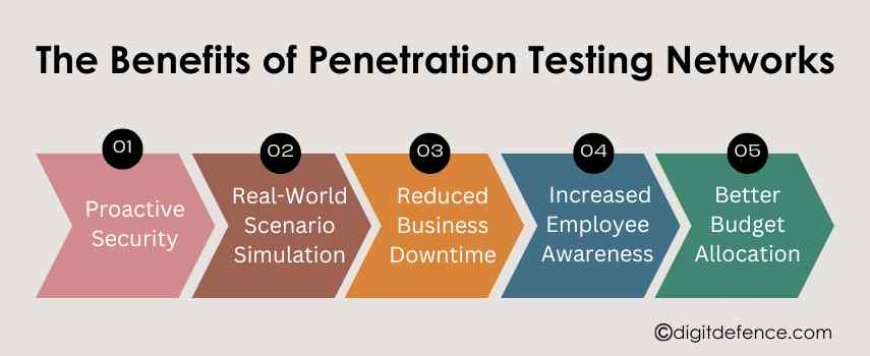
Penetration testing offers a wide range of benefits, many of which can have a direct, positive impact on your business’s cybersecurity strategy.
1. Proactive Security
One of the main advantages of penetration testing is that it enables businesses to take a proactive approach to security. Rather than waiting for an actual attack to occur, organizations can simulate potential threats and identify weaknesses early on. This foresight helps minimize the risk of an actual breach, reducing the time it takes to respond to security incidents.
2. Real-World Scenario Simulation
Penetration testing networks allow businesses to simulate a range of real-world attack scenarios. This gives them a better understanding of how a cyberattack might unfold, providing critical insights into the effectiveness of their current defenses. For example, by simulating a phishing attack, a company can assess how well its employees recognize fraudulent emails and how quickly the system detects malicious activity.
3. Reduced Business Downtime
Cyberattacks, especially ransomware, can cause significant business downtime. By identifying vulnerabilities before they are exploited, penetration testing helps businesses mitigate the risk of lengthy downtime. For example, if a penetration test uncovers a vulnerability that could allow malware to enter a system, the business can address it quickly, potentially preventing a costly outage or data loss.
4. Increased Employee Awareness
Penetration testing is not just about identifying vulnerabilities in systems; it can also provide valuable training opportunities for employees. Many attacks, such as social engineering or phishing, target human error rather than technical flaws. Through simulated attacks, employees can learn how to recognize suspicious activity and better protect themselves and the organization from cyber threats.
5. Better Budget Allocation
By pinpointing high-risk areas in your network, penetration testing helps organizations prioritize their cybersecurity investments. Instead of spending money on unnecessary or redundant security tools, businesses can allocate resources toward fixing the most critical vulnerabilities. This ensures a more efficient use of the security budget.
How Penetration Testing Network Works
The process of running a Penetration Testing Network follows a structured approach. Each stage of the process is designed to gather as much information as possible, identify weaknesses, and exploit them in a controlled environment. Here's how it works:
1. Planning and Scoping
The first step in conducting penetration testing is to define the scope of the test. This includes deciding which systems, networks, or applications will be tested, and ensuring all stakeholders are aligned on the goals and expectations of the test. A well-defined scope ensures that the test is thorough and focused on the most critical assets.
2. Information Gathering
Once the scope is defined, the next step involves gathering as much information as possible about the target network. This is known as the reconnaissance phase. Penetration testers use a variety of tools and techniques to gather data, such as domain names, IP addresses, and other publicly available information. This phase helps identify potential attack vectors and weak points in the network.
3. Vulnerability Scanning
In this phase, penetration testers use automated tools to scan the target system for known vulnerabilities. These tools help identify weaknesses such as outdated software, unpatched systems, or open ports. This step is essential for finding common vulnerabilities that might be overlooked in a manual assessment.
4. Exploitation
Once vulnerabilities are identified, penetration testers attempt to exploit them in a controlled environment. This phase simulates a real-world attack to see how far the testers can get into the system. The goal is not to cause harm but to understand how easily an attacker could gain access to sensitive data or systems.
5. Reporting and Remediation
After the test is complete, the findings are documented in a comprehensive report. This report includes detailed descriptions of the vulnerabilities found, how they were exploited, and recommendations for remediation. The final report helps organizations understand their security posture and take the necessary steps to fix the identified issues.
Case Study 1: Facebook (Meta) – Detecting Network Vulnerabilities Before Exploitation
Overview:
In 2019, Facebook (now Meta) initiated penetration testing to safeguard its vast network and user data. As a global tech giant with billions of users, maintaining strong security was critical to avoid potential threats and breaches.
Implementation:
Meta partnered with cyber security firms to conduct a thorough penetration testing process. The focus was to simulate various cyber-attack methods, such as SQL injections and cross-site scripting (XSS), to find weaknesses in both internal and external systems.
Outcome:
Thanks to the penetration tests, Meta identified several vulnerabilities within its platform. These findings allowed the company to patch critical issues and strengthen its network defenses, ultimately reducing the risk of exploitation by cybercriminals.
Case Study 2: Capital One – Penetration Testing Identifies Cloud Vulnerabilities
Overview:
In 2019, Capital One suffered a major data breach, compromising over 100 million customers’ personal data. The breach was traced back to an unsecured cloud environment, which highlighted the need for better security testing practices.
Implementation:
After the breach, Capital One engaged in penetration testing of their cloud infrastructure, specifically Amazon Web Services (AWS). The focus was on testing the configuration of firewalls, permissions, and APIs to ensure sensitive data was protected.
Outcome:
Penetration testing revealed critical cloud security weaknesses, leading Capital One to make necessary improvements to its defenses. The implementation of robust security measures and testing reduced vulnerabilities and enhanced its overall cyber resilience.
Source: LINK
In a world where cyber threats are continuously evolving, a Penetration Testing Network is an invaluable tool for any organization looking to protect itself from potential attacks. By proactively identifying vulnerabilities, testing the effectiveness of security measures, and complying with industry regulations, penetration testing plays a crucial role in fortifying a company’s cybersecurity defense. Furthermore, the insights gained from penetration tests can help businesses allocate resources more efficiently, reduce downtime, and ultimately protect their reputation.