
Why Every Business Needs Penetration Testing for Websites
Penetration testing for websites helps businesses identify vulnerabilities, ensuring security and safeguarding sensitive data from potential cyber threats.


websites are often the first point of contact between a business and its customers, making them prime targets for cyberattacks. With the increasing sophistication of cybercriminals, relying on basic security measures is no longer enough to protect your online presence. That’s where penetration testing for websites comes into play.
Penetration testing, or "pen testing," is a proactive approach to security where we simulate real-world attacks to uncover potential vulnerabilities before malicious actors do. It allows businesses to identify weaknesses that could be exploited, ensuring that security gaps are addressed before they become costly problems.
No business is immune to cyber threats, regardless of size or industry. A website breach can lead to data theft, loss of customer trust, and significant financial damage. Regular penetration testing for websites is essential to ensure your site remains secure and resilient against the ever-evolving tactics of cyber attackers. It’s a crucial investment in the long-term security and success of your business.
The Growing Importance of Website Security
As businesses move more operations online, websites have become a prime target for cyber attacks. Attackers continuously evolve their tactics to exploit vulnerabilities, and even the smallest weakness in your website’s code can lead to significant breaches. For example, a vulnerability in your website’s firewall or login authentication system could allow hackers to gain unauthorized access to sensitive data or bring down your website entirely.
In the event of a cyber attack, the consequences for a business can be severe. From loss of customer trust to financial penalties due to data breaches, a single vulnerability can lead to cascading failures across the business. According to recent studies, cybercrime is expected to cost businesses around the globe trillions of dollars annually. So, businesses cannot afford to overlook cybersecurity measures, and penetration testing should be a core part of that strategy.
What Is Penetration Testing?
Penetration testing is a structured and controlled process where ethical hackers (often referred to as white-hat hackers) simulate attacks on your website. The goal is not just to identify vulnerabilities but to understand how attackers might exploit them and the potential impact of such attacks on your business.
Penetration testers use a variety of tools and techniques to examine the security protocols of your website. This might involve SQL injections, cross-site scripting (XSS), or brute-force attacks on login systems. Once the vulnerabilities are identified, the testers provide detailed reports, including recommendations for fixing or mitigating those security issues.
Why Penetration Testing is Essential for Businesses
-
Identifying Vulnerabilities Before Attackers Do
The primary goal of penetration testing is to find vulnerabilities in your system before cybercriminals can exploit them. Hackers are always on the lookout for weak spots in websites, and these vulnerabilities can give them unauthorized access to sensitive information or allow them to disrupt your services.
By simulating attacks, pen testers can discover these security gaps and provide a comprehensive report on potential entry points. This allows your IT team to patch vulnerabilities before they can be exploited.
-
Building Trust with Customers
Customers trust your website with their data, whether it’s payment information, email addresses, or other personal details. A data breach can break this trust and severely damage your reputation. If users don’t feel safe, they’re less likely to engage with your business or make purchases.
Regular penetration testing demonstrates a proactive approach to cybersecurity and shows customers that you take their privacy seriously. By addressing vulnerabilities before they become a problem, you can strengthen your relationship with your audience.
-
Compliance with Regulatory Standards
Many industries are required by law to follow certain cybersecurity regulations. For instance, companies in healthcare, finance, and e-commerce need to adhere to strict data protection rules, such as the General Data Protection Regulation (GDPR) or the Payment Card Industry Data Security Standard (PCI DSS).
Regular penetration testing is often a requirement to meet these standards. Even if you’re not legally bound, adhering to these guidelines can help you avoid hefty fines and legal repercussions.
-
Reducing Downtime and Financial Losses
A single cyberattack can cripple your website, resulting in downtime and a loss of revenue. Imagine trying to run an e-commerce business and your website is offline for hours or even days. The financial impact can be significant, not to mention the brand damage it could cause.
By conducting penetration tests, you can identify security weaknesses that might lead to such disruptions. Preventing a cyberattack means your website can run smoothly without interruptions, which directly impacts your bottom line.
-
Protecting Sensitive Business Data
Every business, no matter the size, has sensitive information that needs protection. This might include financial records, employee data, or intellectual property. A breach of this data can lead to serious consequences, including loss of competitive advantage or exposure to legal risks.
Penetration testing helps ensure your sensitive information is well-protected. By identifying potential weak spots, you can take measures to safeguard this data from falling into the wrong hands.
-
Adapting to an Evolving Threat Landscape
The world of cybersecurity is constantly evolving, with new threats emerging all the time. Attackers are getting smarter, and so must your defenses. Even if your website has never been targeted before, it doesn’t mean you’re safe from future attacks.
Regular penetration testing allows your business to stay ahead of the curve. It gives you insights into the latest vulnerabilities and threats, so you can continuously improve your security posture.
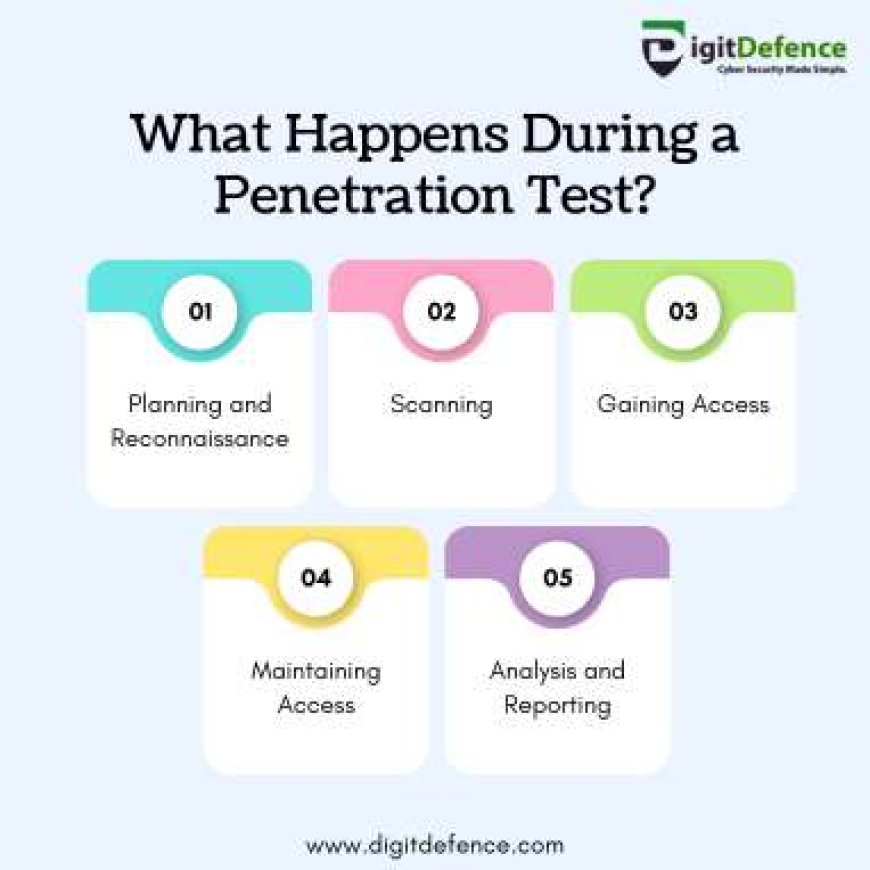
What Happens During a Penetration Test?
A penetration test typically involves several stages:
-
Planning and Reconnaissance: The pen tester gathers information about the website and its systems. This might include understanding the website’s architecture, potential entry points, and weaknesses.
-
Scanning: The tester uses various tools to identify vulnerabilities. This stage helps the tester map out which parts of the website might be susceptible to attacks.
-
Gaining Access: The tester tries to exploit the identified vulnerabilities to gain unauthorized access to your website’s systems or data.
-
Maintaining Access: The goal here is to simulate a persistent attack, where the hacker tries to remain unnoticed inside your system for as long as possible.
-
Analysis and Reporting: Once the testing is complete, the pen tester provides a detailed report, including the vulnerabilities discovered, the severity of each issue, and recommendations on how to fix them.
Common Cybersecurity Risks for Websites
Before we discuss the importance of penetration testing, it’s essential to understand the most common cyber threats websites face. Here are some typical risks businesses encounter:
-
Cross-Site Scripting (XSS): Attackers inject malicious scripts into a web page that then runs in a user’s browser. This can lead to stolen data, unauthorized actions, or compromised user accounts.
-
SQL Injection: An attacker can use this technique to manipulate your website’s database, leading to unauthorized access to sensitive data, like customer information.
-
Phishing Attacks: Attackers trick users into providing sensitive information by mimicking legitimate websites. Even if your website isn’t the source, customers might associate the breach with your brand.
-
Denial of Service (DoS) Attacks: Attackers flood your website with traffic to make it unavailable to legitimate users. This can cause downtime and financial losses.
How Often Should Penetration Testing Be Done?
Penetration testing isn’t a one-time task. As your business grows and your website evolves, new vulnerabilities can arise. It’s recommended that businesses conduct penetration tests regularly, ideally on an annual basis or whenever significant changes are made to their website, such as updates to the content management system (CMS), new integrations, or the introduction of new services.
The threat landscape is constantly changing, and what may be secure today might not be secure tomorrow. Regular testing ensures that your business stays ahead of potential threats and maintains the highest level of website security.
Cybersecurity is not something businesses can afford to ignore. Penetration testing provides an essential layer of protection, allowing businesses to identify and fix vulnerabilities before malicious actors can exploit them. Every business, from small startups to large corporations, should prioritize penetration testing as part of their cybersecurity strategy. Not only does it help protect sensitive data and ensure compliance with industry regulations, but it also minimizes the risk of costly breaches and enhances customer confidence.