
Ensure Your Website’s Security with Penetration Testing
Is your website truly secure? Uncover hidden vulnerabilities with penetration testing and protect your business from costly cyber threats start now!

Is your website fully protected from cyber threats? How can you be sure that your business’s sensitive data is safe from hackers? If you haven’t conducted website penetration testing, you might be unknowingly exposing your website to malicious attacks. With cybercrime on the rise and hackers becoming more advanced, ensuring your website’s security is no longer optional, it’s essential.
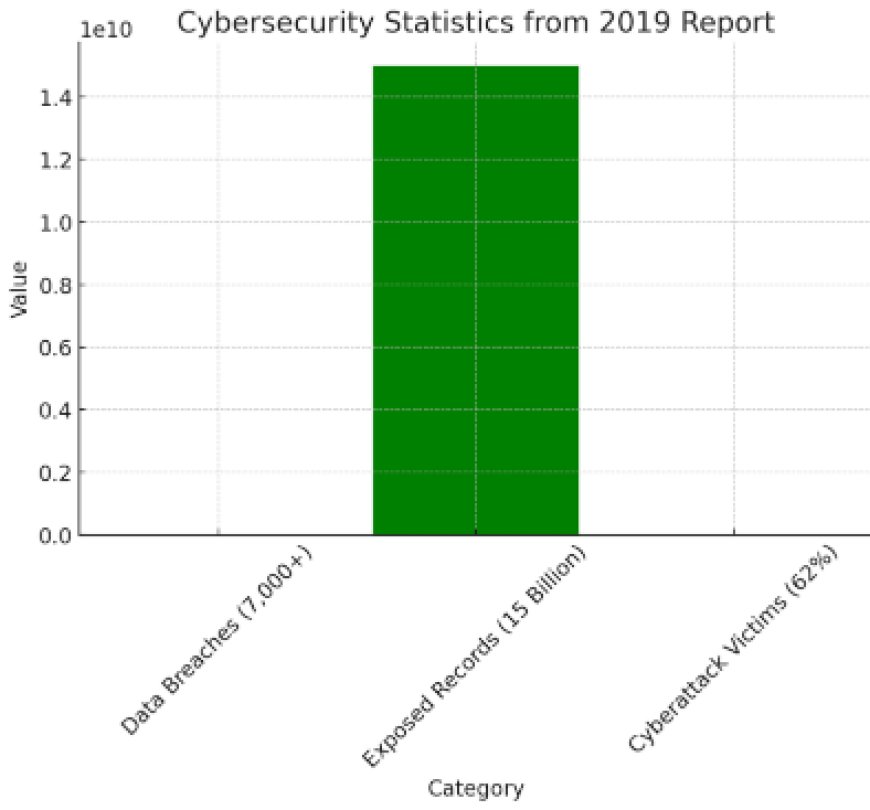
According to a 2019 report by Risk Based Security, there were over 7,000 data breaches that exposed more than 15 billion records. In fact, 62% of businesses reported being victims of cyberattacks within the past year. Website penetration testing can help you uncover hidden vulnerabilities, ensuring your site remains secure and your customers' data protected.
A prominent example of the importance of penetration testing can be seen in the Sony data breach. Hackers exploited vulnerabilities in Sony’s PlayStation Network, gaining access to the personal data of over 77 million users, including names, addresses, and credit card information. This breach cost Sony more than ₹14,022 crore in recovery and customer compensation. Had website penetration testing been conducted more rigorously, the security flaws might have been identified and patched before the breach occurred.
After this incident, Sony implemented stricter security measures and began performing regular website security testing on its network to ensure that vulnerabilities were discovered and addressed before being exploited. This case highlights the critical importance of testing your website’s security to prevent costly breaches and maintain customer trust.
What Is Website Penetration Testing?
Website penetration testing is a security testing process that simulates an attack on your website to identify vulnerabilities that could be exploited by malicious hackers. It involves ethical hacking where a professional tester (penetration tester) attempts to exploit weaknesses in the site’s infrastructure, network, and application. The goal is to find potential security flaws before cybercriminals do. Unlike traditional security scans, website security testing provides a comprehensive assessment by attempting to breach your site just like a hacker would. This allows businesses to patch vulnerabilities, secure sensitive data, and maintain the trust of their customers.
The Importance of Website Penetration Testing

In a digital environment, the threat of cyberattacks is constant. Without adequate protection, your website is an open target for various threats such as data breaches, denial-of-service attacks, and hacking attempts. Failing to regularly test your website for vulnerabilities could result in significant financial and reputational damage.
Website penetration testing offers several key benefits for businesses:
-
Identifying Vulnerabilities: Through penetration testing, businesses can uncover vulnerabilities that may be difficult to detect through other means, including weak security protocols or outdated software.
-
Compliance: For businesses handling sensitive customer data, such as financial information or health records, website security testing can help ensure compliance with regulations like GDPR or HIPAA.
-
Boosting Customer Trust: Demonstrating that you take the security of your website seriously by regularly performing website security testing helps build customer trust, reducing concerns about data safety.
How Does Website Penetration Testing Work?
Website penetration testing typically follows a structured methodology. Here’s an overview of the process:
-
Reconnaissance: The tester begins by gathering information about the website, including its architecture, open ports, technologies used, and potential attack vectors. This stage helps to identify weak spots.
-
Vulnerability Assessment: During this phase, the tester looks for known vulnerabilities that could be exploited on the website, such as outdated software versions, misconfigured servers, or weak user authentication mechanisms.
-
Exploitation: In this phase, the tester attempts to exploit identified vulnerabilities by attempting various attack techniques, such as SQL injection or cross-site scripting (XSS). The goal is to understand the depth of potential damage if these vulnerabilities were exploited by an attacker.
-
Reporting: After completing the tests, the tester provides a detailed report that outlines the vulnerabilities discovered, the potential impact, and recommendations for remediation.
-
Remediation: Based on the penetration testing report, businesses can take action to fix the vulnerabilities by patching software, tightening security protocols, and updating firewalls.
Why Regular Penetration Testing Is Essential
Many businesses make the mistake of conducting website penetration testing only once, when the website is first launched or after a breach has occurred. However, regular testing is crucial for maintaining ongoing protection. Cybercriminals constantly change their methods, so your website’s defenses need to evolve as well.
-
Evolving Threats: New vulnerabilities are discovered all the time, and the attack techniques used by hackers are constantly changing. Regular penetration testing ensures that your website’s security is up-to-date and able to withstand new threats.
-
Compliance and Risk Management: In industries where compliance is critical, regular website security testing can help meet security regulations. It also reduces the overall risk to your business by proactively addressing potential weaknesses.
-
Cost Savings: Detecting vulnerabilities before a breach occurs saves businesses from costly downtime, recovery efforts, and reputational damage. The cost of a website penetration test is much less than the cost of a security breach.
Website penetration testing is a vital component of any organization’s cybersecurity strategy. It allows businesses to discover hidden vulnerabilities before hackers do, protecting sensitive data and preventing costly breaches. Regular website security testing provides peace of mind by ensuring that your website is as secure as possible in the face of changing cyber threats. If you haven’t yet conducted penetration testing, now is the time to invest in the security of your website. By identifying and addressing vulnerabilities early, you safeguard your business, protect your customers, and build long-term trust.
If you’re ready to enhance your website’s security, contact [email protected] to learn more about how our penetration testing services can help protect your business from cyber threats.