
Why Penetration Testing Network is Essential for Cybersecurity
Think your network is secure? Penetration testing reveals hidden vulnerabilities before hackers do. Protect your business now; don’t wait for a breach!

As a cybersecurity specialist, I’ve seen how fatal a successful cyberattack can be for businesses. Even with firewalls, antivirus software, and other security measures in place, hidden vulnerabilities often remain that cybercriminals can exploit. That’s why penetration testing is essential. Simulating real-world attacks allows us to identify these weaknesses before attackers can take advantage of them.
Penetration testing isn’t just about finding flaws, it’s about strengthening your overall security posture. It helps you prioritize what needs fixing, ensuring that your network is as secure as possible. By staying one step ahead of potential threats, you’re not just reacting to attacks; you’re actively preventing them, giving you confidence and keeping your business safe.
What is a Penetration Testing Network?
A Penetration Testing Network involves simulating real-world cyberattacks on an organization's IT infrastructure to identify vulnerabilities. Ethical hackers, also known as penetration testers, assess the security measures by mimicking the techniques used by malicious actors. This process highlights weaknesses in networks, applications, and systems before cybercriminals can exploit them. By doing so, the Penetration Testing Network acts as a proactive approach to cybersecurity.
The Importance of Penetration Testing Network in Cybersecurity
1. Identifying Vulnerabilities Before Exploitation
Organizations maintain extensive IT ecosystems comprising networks, servers, applications, and endpoints. These components are often interconnected, making the attack surface larger and more complex. Penetration Testing Network uncovers vulnerabilities across these components, enabling teams to fix issues before attackers can exploit them.
2. Meeting Compliance and Regulatory Requirements
Industries like finance, healthcare, and e-commerce operate under stringent regulatory frameworks such as GDPR, HIPAA, and PCI DSS. Compliance mandates often require regular penetration testing to ensure systems are secure. A Penetration Testing Network not only helps organizations adhere to these regulations but also demonstrates a commitment to safeguarding sensitive data.
3. Enhancing Incident Response Readiness
Penetration Testing Network doesn’t just identify flaws; it also evaluates how well an organization’s incident response processes work. Simulating real-world attacks reveals how prepared the team is to detect, mitigate, and recover from potential breaches. This insight is invaluable for improving response protocols.
4. Strengthening Customer Trust
In an era where customers prioritize data security, demonstrating a commitment to cybersecurity can significantly enhance trust. Conducting regular Penetration Testing Network assessments assures stakeholders that the organization prioritizes their privacy and data protection.
Methodology of Penetration Testing Network
The Penetration Testing Network process involves several structured phases to ensure comprehensive evaluation:
1. Planning and Reconnaissance
This phase focuses on understanding the scope of the test. Penetration testers gather intelligence about the target network, identifying potential entry points and gathering details about the IT environment.
2. Scanning and Enumeration
In this stage, testers use tools to scan the network for open ports, services, and vulnerabilities. Enumeration involves gathering detailed information about systems, user accounts, and shared resources.
3. Exploitation
Here, testers simulate attacks on identified vulnerabilities. Techniques such as SQL injection, cross-site scripting (XSS), and privilege escalation are used to determine the exploitability of flaws.
4. Post-Exploitation
This phase assesses the impact of a successful attack. Testers evaluate the level of access gained, the data compromised, and the potential consequences.
5. Reporting
Finally, penetration testers document their findings, detailing vulnerabilities, exploit methods, and recommendations for remediation. These reports guide organizations in fortifying their cybersecurity defenses.
Benefits of Penetration Testing Network
1. Proactive Risk Management
A Penetration Testing Network provides actionable insights that allow organizations to address vulnerabilities proactively. By fixing issues before they’re exploited, businesses reduce the risk of costly data breaches and system downtimes.
2. Cost Efficiency
While penetration testing involves upfront costs, it’s significantly more economical than recovering from a cyberattack. A successful breach can lead to financial losses, legal penalties, and reputational damage, all of which far outweigh the cost of regular testing.
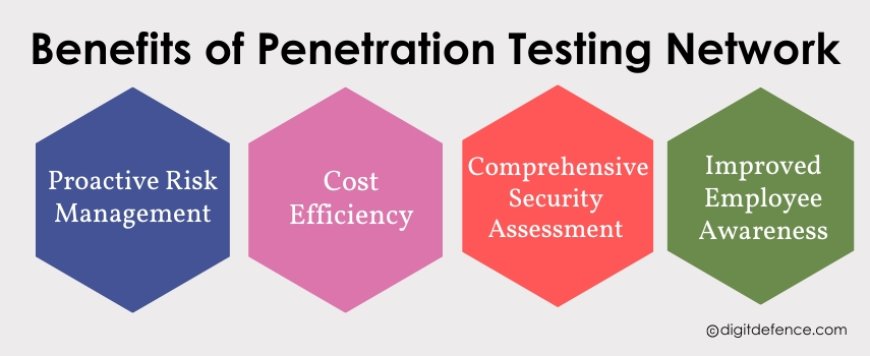
3. Comprehensive Security Assessment
Unlike automated vulnerability scans, the Penetration Testing Network offers a holistic evaluation. Ethical hackers use their expertise to uncover deep-seated vulnerabilities that automated tools might overlook.
4. Improved Employee Awareness
Penetration testing often reveals weaknesses caused by human error, such as weak passwords or falling for phishing scams. These findings can be used to enhance employee training programs, fostering a culture of cybersecurity awareness.
Common Misconceptions About Penetration Testing Network
1. “We Already Have Firewalls and Antivirus Software.”
While firewalls and antivirus solutions are essential, they can’t address all vulnerabilities. Cybercriminals continuously evolve their tactics, and Penetration Testing Network ensures your defenses are resilient against emerging threats.
2. “Penetration Testing is a One-Time Activity.”
Cybersecurity is an ongoing effort. Regular Penetration Testing Network assessments are necessary to address new vulnerabilities arising from software updates, infrastructure changes, or emerging threats.
3. “It’s Too Expensive for Small Businesses.”
Small businesses are equally, if not more, vulnerable to cyberattacks. Tailored Penetration Testing Network services are available at varying price points, making them accessible for organizations of all sizes.
How to Choose the Right Penetration Testing Network Provider
Selecting a competent provider is crucial for effective penetration testing. Here are key considerations:
1. Experience and Expertise
Look for providers with a proven track record and expertise in handling diverse IT environments. Certifications like Certified Ethical Hacker (CEH) or Offensive Security Certified Professional (OSCP) are indicators of proficiency.
2. Customized Testing
Ensure the provider tailors their Penetration Testing Network approach to your specific needs rather than offering generic assessments.
3. Comprehensive Reporting
The provider should deliver detailed reports that include technical findings, business impact analyses, and actionable recommendations.
4. Post-Test Support
Opt for providers that offer remediation assistance and post-test guidance to help implement the recommended fixes.
The Future of Penetration Testing Network
As cyber threats continue to evolve, so will the methodologies of penetration testing. Emerging trends include:
1. AI-Driven Testing
Artificial intelligence is enhancing the efficiency and accuracy of Penetration Testing Network assessments by automating repetitive tasks and identifying patterns.
2. Integration with DevSecOps
Incorporating penetration testing into DevSecOps pipelines ensures security is integrated throughout the software development lifecycle.
3. Focus on IoT and Cloud Security
With the proliferation of IoT devices and cloud computing, Penetration Testing Network is shifting its focus to secure these evolving technologies.
Here are two recent case studies on how top companies use penetration testing for cybersecurity:
Case Study 1. Google’s Security Testing
Overview: Google conducts regular penetration testing to uncover vulnerabilities in its network and infrastructure.
Implementation: Google uses both internal teams and third-party experts to simulate cyberattacks on its systems.
Outcome: This proactive testing helps Google find and fix security issues before they can be exploited, ensuring better protection for its services.
Source: Google Security Blog
Case Study 2. Facebook’s Data Protection
Overview: Facebook uses penetration testing to secure user data and its network.
Implementation: Their security team tests their systems regularly, simulating attacks like SQL injection to identify weaknesses.
Outcome: This testing helps Facebook protect against data breaches and maintain user trust.
Source: Facebook Security Blog
Penetration Testing networks are not a luxury but a necessity. It provides organizations with the insights needed to strengthen their defenses, mitigate risks, and build trust among stakeholders. By proactively identifying and addressing vulnerabilities, businesses can safeguard their assets, reputation, and customer data. Investing in regular Penetration Testing Network assessments is a critical step toward achieving a resilient cybersecurity framework. Don’t wait for a breach to occur; prioritize penetration testing and stay one step ahead of cybercriminals.